Gardening as a hobby is much more than weed-pulling and watering. It’s also a tangled puzzle of planning what to plant, and when.
Nobody knows this better than Lis Friemoth, aka “The Garden Hoe,” expert horticultural diagnostician and garden designer extraordinaire. Friemoth said now is the perfect time to think ahead if you want late season color next fall.
“Gardeners are tired at this point in the year. And so what we’re going to talk about are things that look good in the fall but not necessarily that you should plant in the fall,” Freimoth said.
News with a little more humanity
WPR’s “Wisconsin Today” newsletter keeps you connected to the state you love without feeling overwhelmed. No paywall. No agenda. No corporate filter.
Friemoth recently visited WPR’s “The Larry Meiller Show” to share her list of annuals, perennials, vines, trees and shrubs that burst with color come autumn.
Many of the listed plants are in bloom at garden centers and private and public gardens. Make note of plants of interest and put them in your garden next spring.
Trees
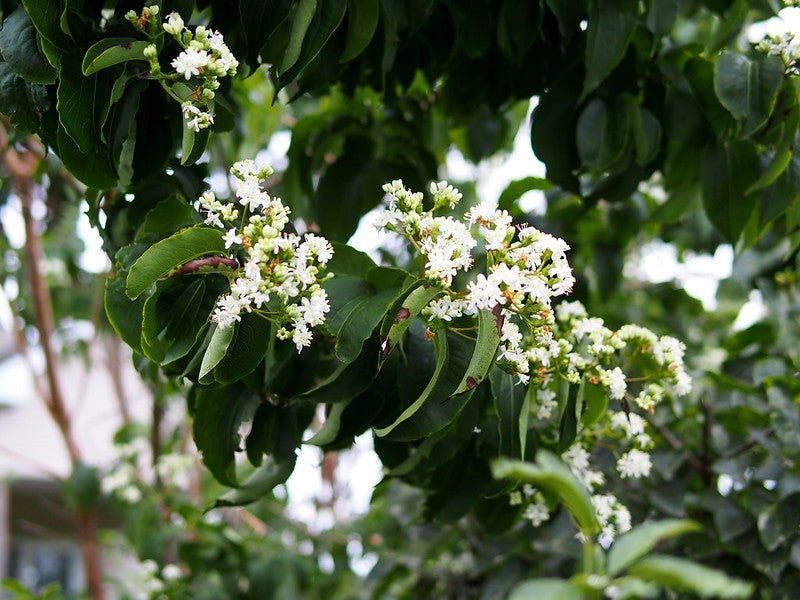
Friemoth said she absolutely loves seven-son flower (Heptacodium miconioides). It blossoms in groups of seven and has a beautiful bark design you can enjoy year-round.
“It smells wonderful, smells a bit like honey,” Friemoth said. “And then after the flowers are done, then we get fruit on it that kind of looks a little bit like baby Sputniks and they’re maroon in color.”
Shrubs
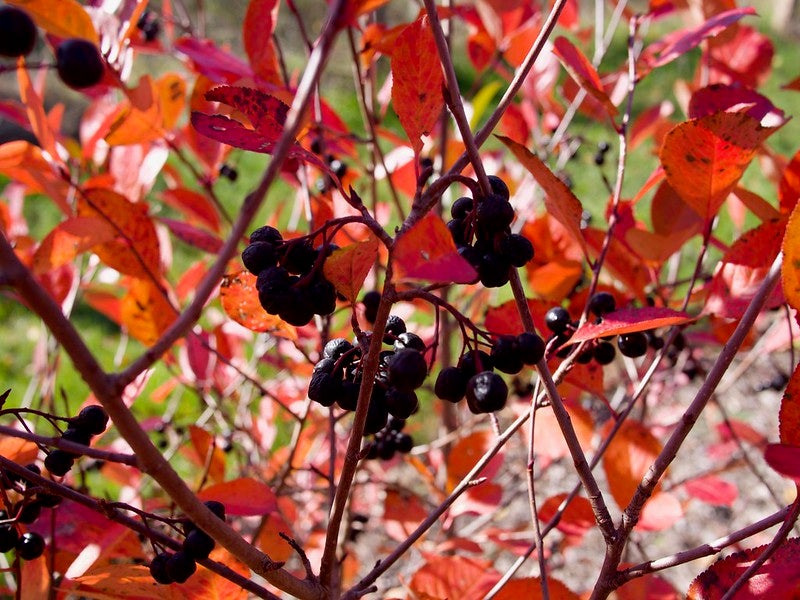
The black chokeberry (Aronia melanocarpa) is a fantastic shrub, Friemoth said. Its leaves turn crimson and orange once the weather chills. You can see chokeberry if you visit the University of Wisconsin-Madison arboretum.
“It is an edible berry,” Friemoth said. “It has a lot of tannins in it, so definitely you have to cook it. It’s not one that you eat raw, you know, or to the detriment of your liver, that’s for sure.”
Many people have burning bush in their lawns for fall color. But it’s an invasive plant, Friemoth said, and researchers are working on breeding a sterile cultivar.
Instead, she suggests sumac to achieve a fiery effect in your landscaping.
Perennials
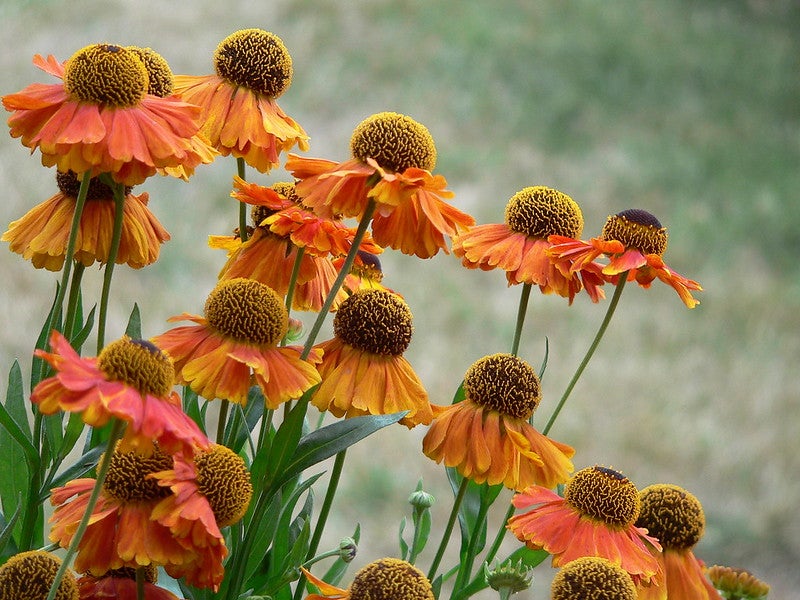
On to perennials: Friemoth recommends popcorn cassia (Senna didymobotrya). It flowers in late summer and is actually part of the legume family. Senna is perfect for the back of your garden bed because it’s on the tall side.
Hellenium and ironweed (Vernonia) are two late season flowering perennials that made Friemoth’s list because they’re relatively easy.
“What I love about them is it doesn’t require you to learn anything new on how to take care of a plant,” Friemoth said.
The hardy Hellenium can tolerate drought and flooding, Friemoth said. Ironweed is for a gardener looking to tailor a plant to a desired height. They respond well to trimming, just like mums.
Annuals
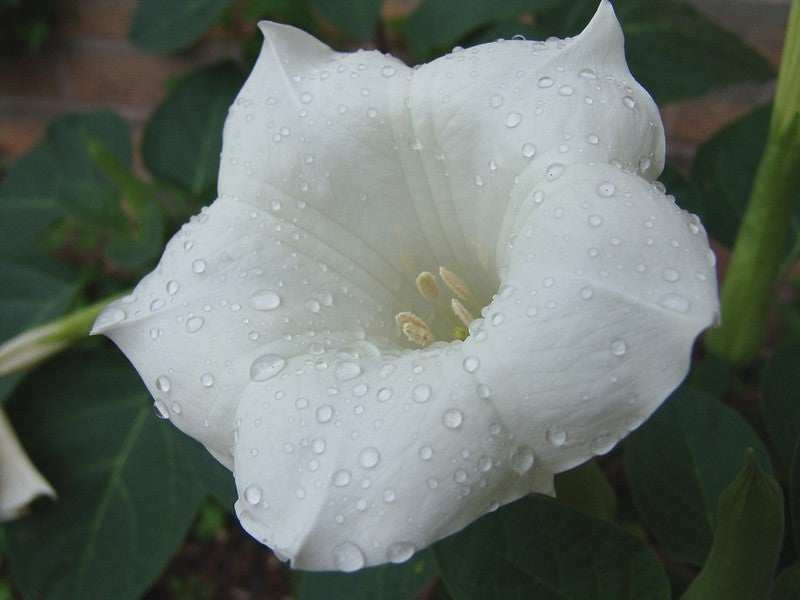
Moonflowers wait until nightfall to reveal a massive bloom. These annuals flower continuously from summer to frost. Friemoth said they’re easy to start from seed.
“Sit down with a cup of tea at night and just look at the moonflowers — they’re wonderful. Or whatever beverage. This is Wisconsin,” Friemoth said.
Zinnias are great for planting with kids, Friemoth said. She finds the annual variety satisfying because they pop up right away. Their long stems make them great cut flowers to display in a vase.