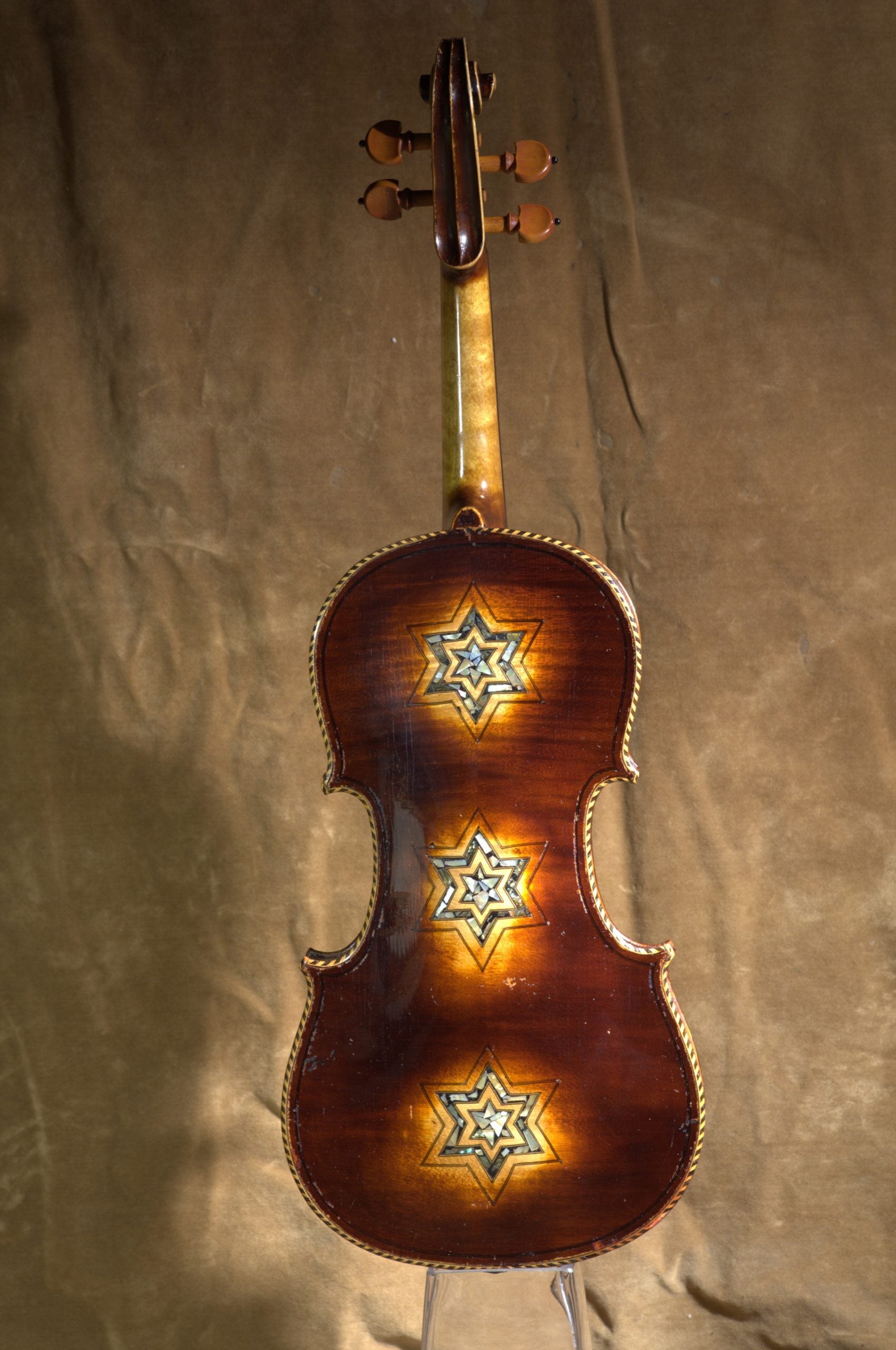
In the 1990s, the late Israeli master violin maker Amnon Weinstein began collecting and restoring violins that belonged to Jews during the Holocaust. Over the decades, his work grew into a collection that has been exhibited in concerts across the world.
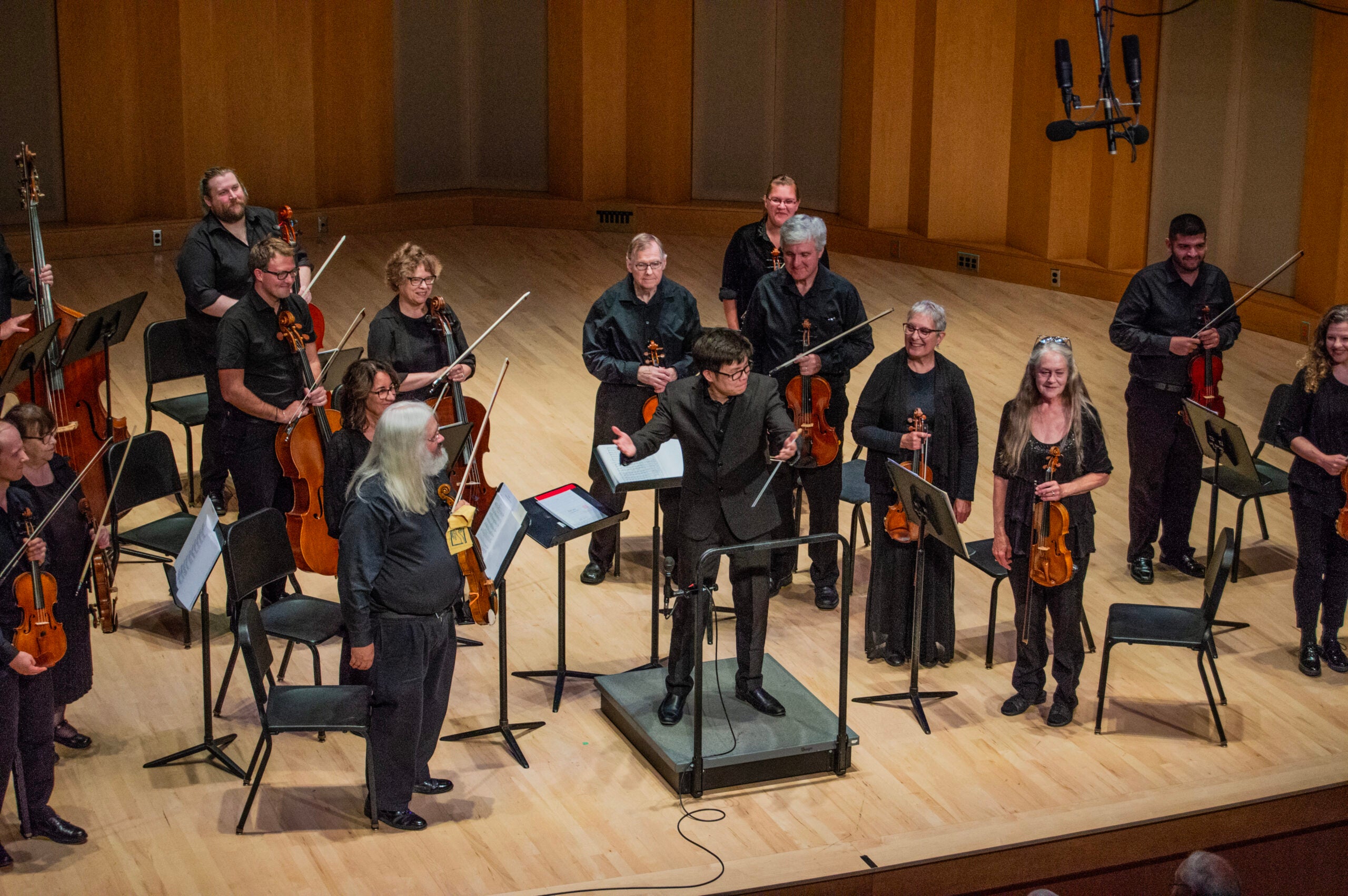
When Milwaukee Youth Symphony Orchestra CEO Linda Edelstein saw the instruments featured in the Cleveland Orchestra a decade ago, she noticed parallels between the missions of her organization and this collection, now titled Violins of Hope.
“We (both) unite through the power of music as we inspire lifelong learning about how we see ourselves, each other and the world around us,” Edelstein said. “To educate and inform about the stories of the past and how they connect to the present.”
News with a little more humanity
WPR’s “Wisconsin Today” newsletter keeps you connected to the state you love without feeling overwhelmed. No paywall. No agenda. No corporate filter.
Edelstein joined WPR’s “Wisconsin Today” to share more about bringing this collection to Wisconsin for MYSO students to play during this concert season.
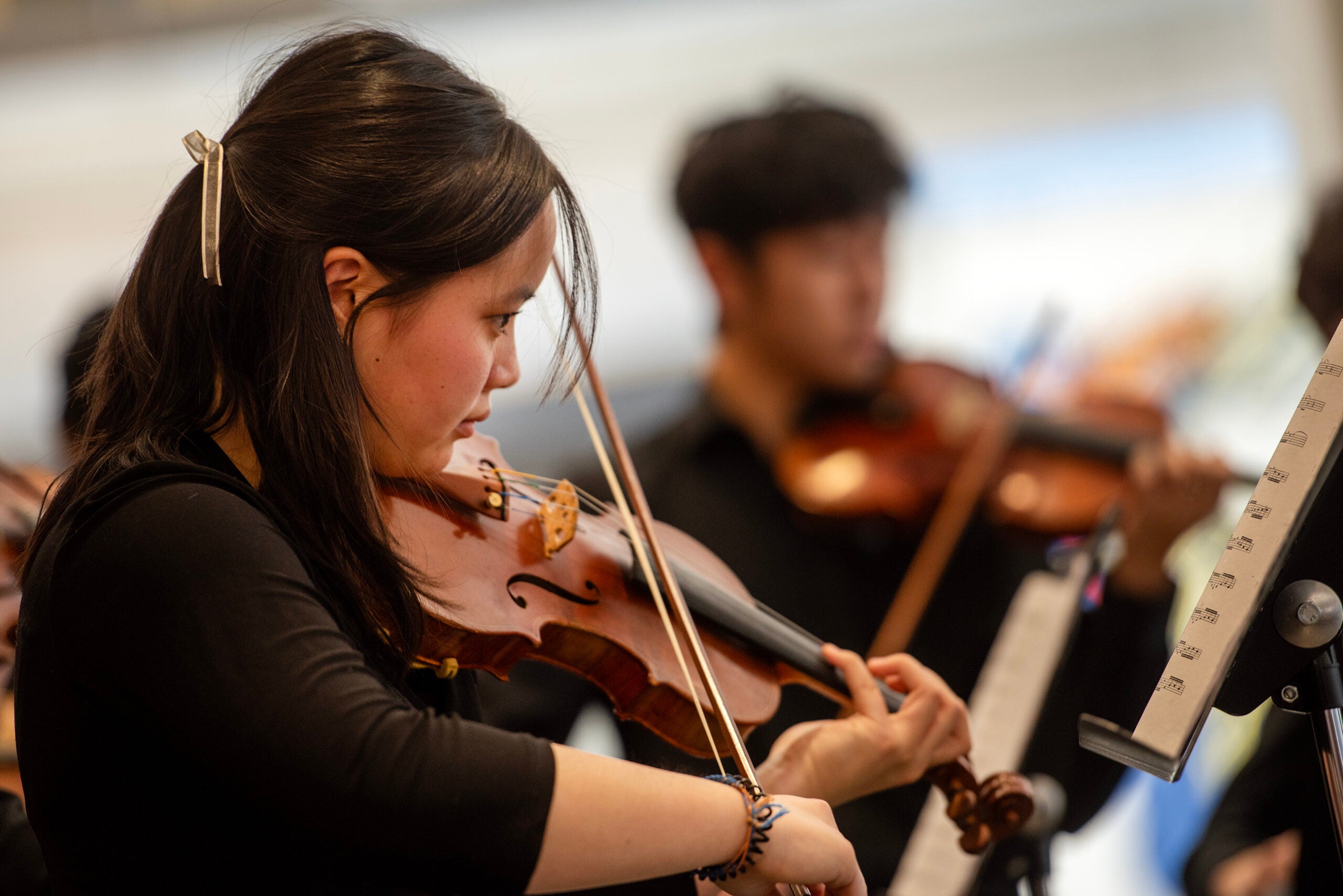
In the coming months, the orchestra will be showcasing a collection of 70 string instruments — almost all violins — owned and played during the Holocaust.
Kyra Jester is a senior at Brookfield East High School. She’ll be playing the only cello in the collection. Built in 1893, the cello was played by a member of the Palestine Orchestra, which was made up of Jewish musicians in European orchestras who lost their positions during the Nazi regime.
“It’s a privilege to get to play a cello with such a powerful history,” Jester told “Wisconsin Today.” “It helps me deepen my connection with these past individuals who played this (instrument).”
Jester said she felt that connection acutely when playing an arrangement of “Ani Ma’amin,” a song written by Reb Azriel David Fastag on a train to the Treblinka extermination camp. The piece was orchestrated by MYSO senior Caleb Endres.
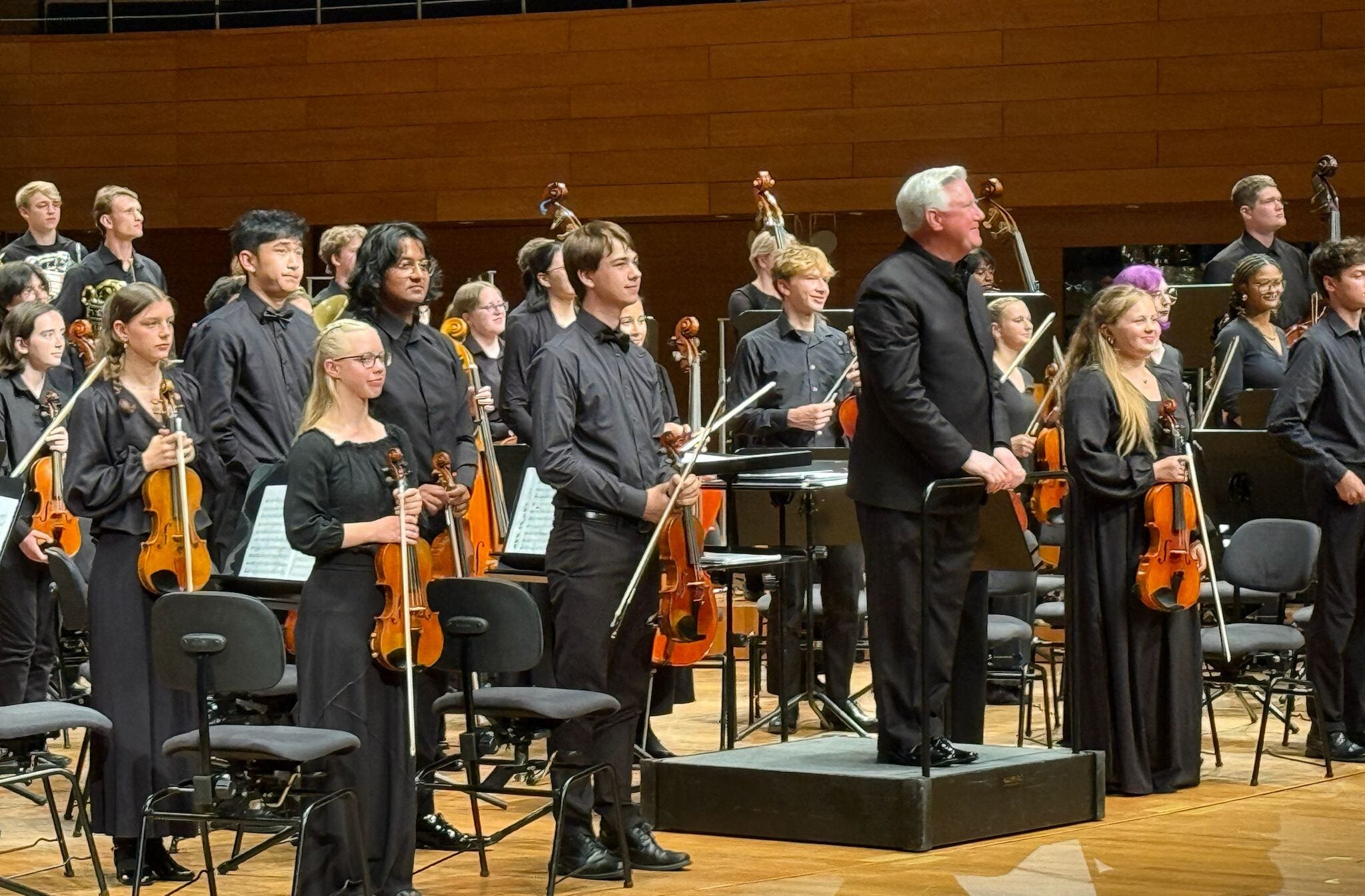
In addition to their own concerts, MYSO will host events in partnership with dozens of groups around the state, including the Universities of Wisconsin, Milwaukee’s Holocaust Education Resource Center and Jewish Museum Milwaukee. Concerts will feature pieces with connections to the Holocaust, the Jewish experience and themes around despair, hope and resilience.
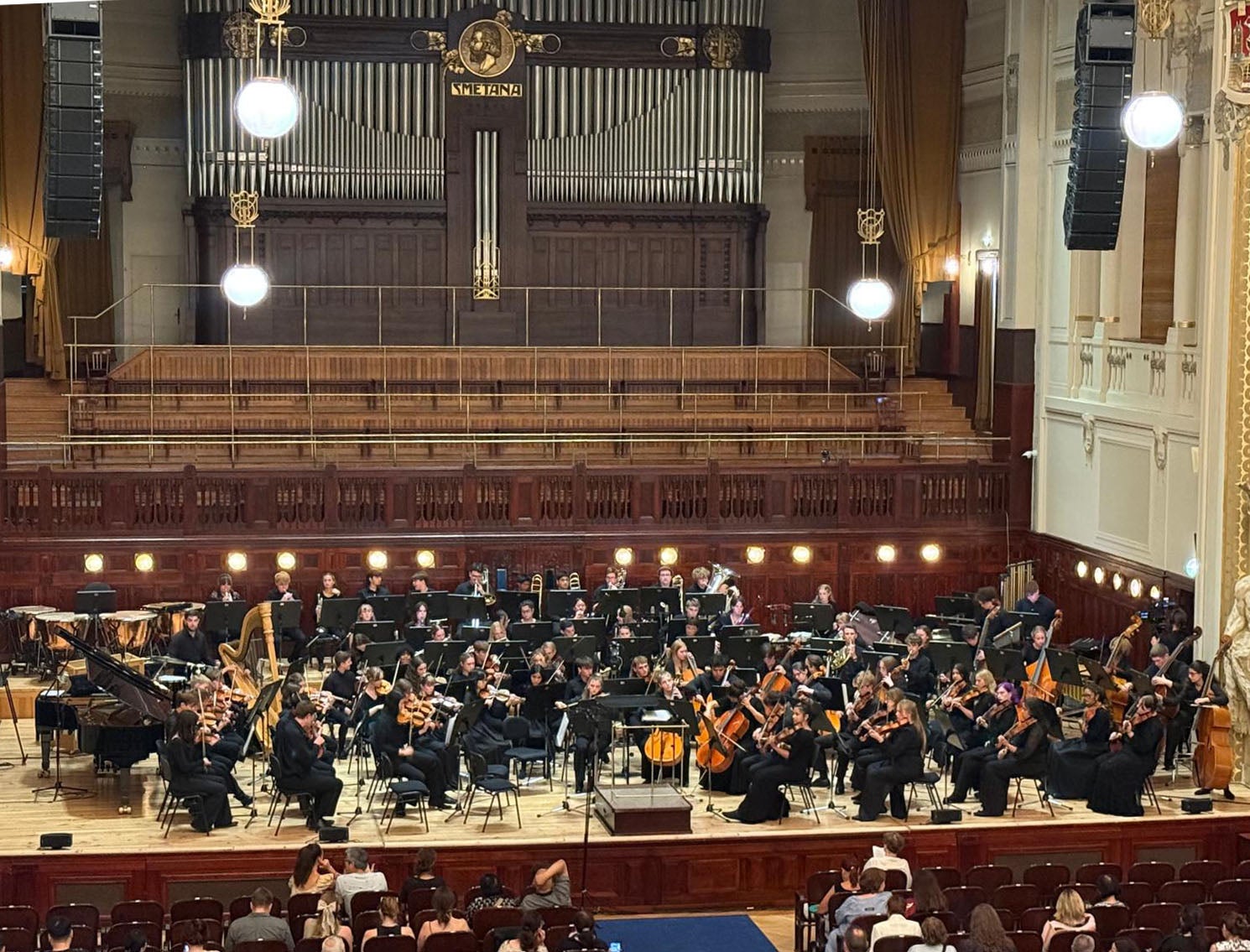
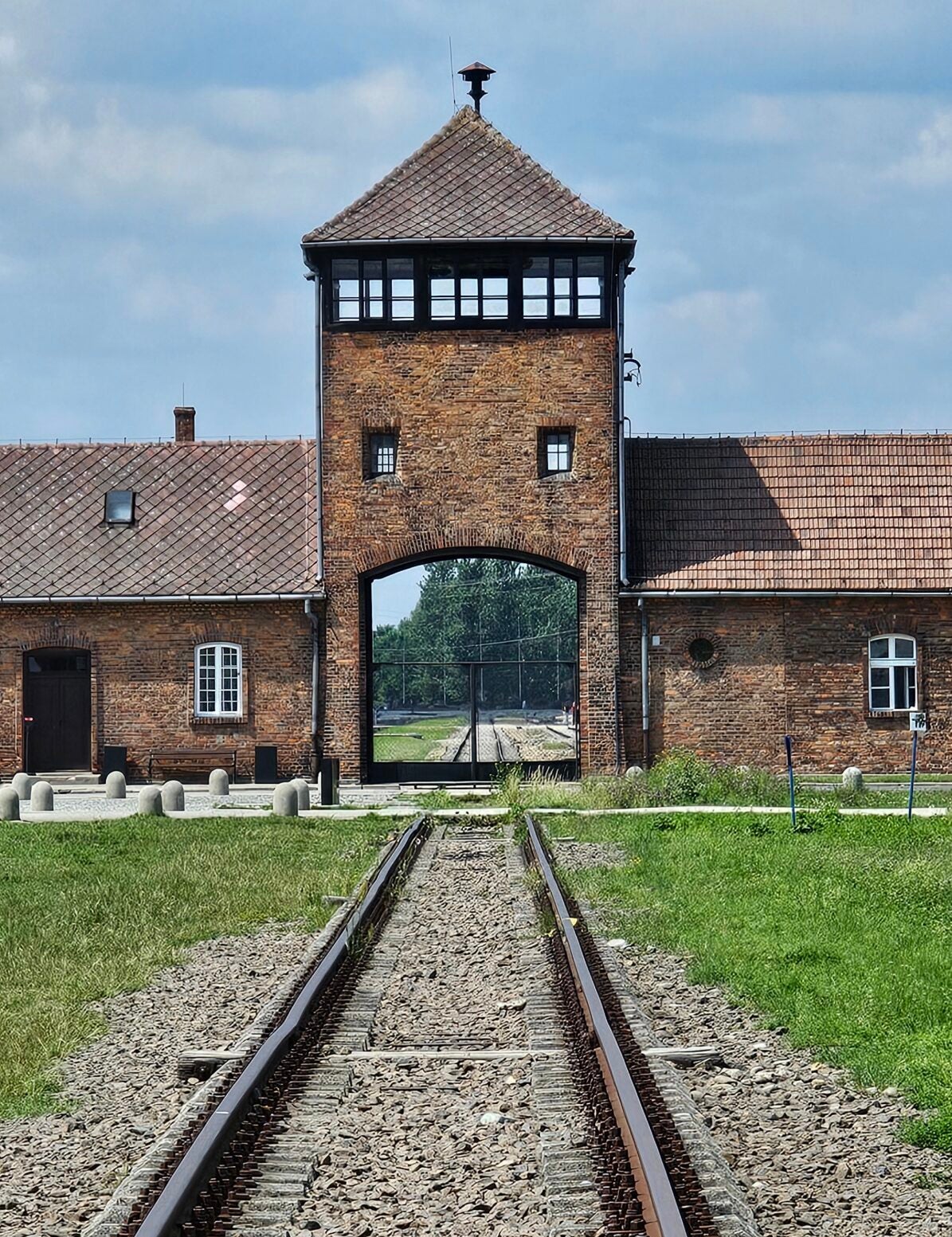
To prepare for the season, the youth orchestra toured Poland and the Czech Republic, playing concerts and touring historical sites. They visited the site of the Auschwitz-Birkenau Nazi death camp on the first day of the trip.
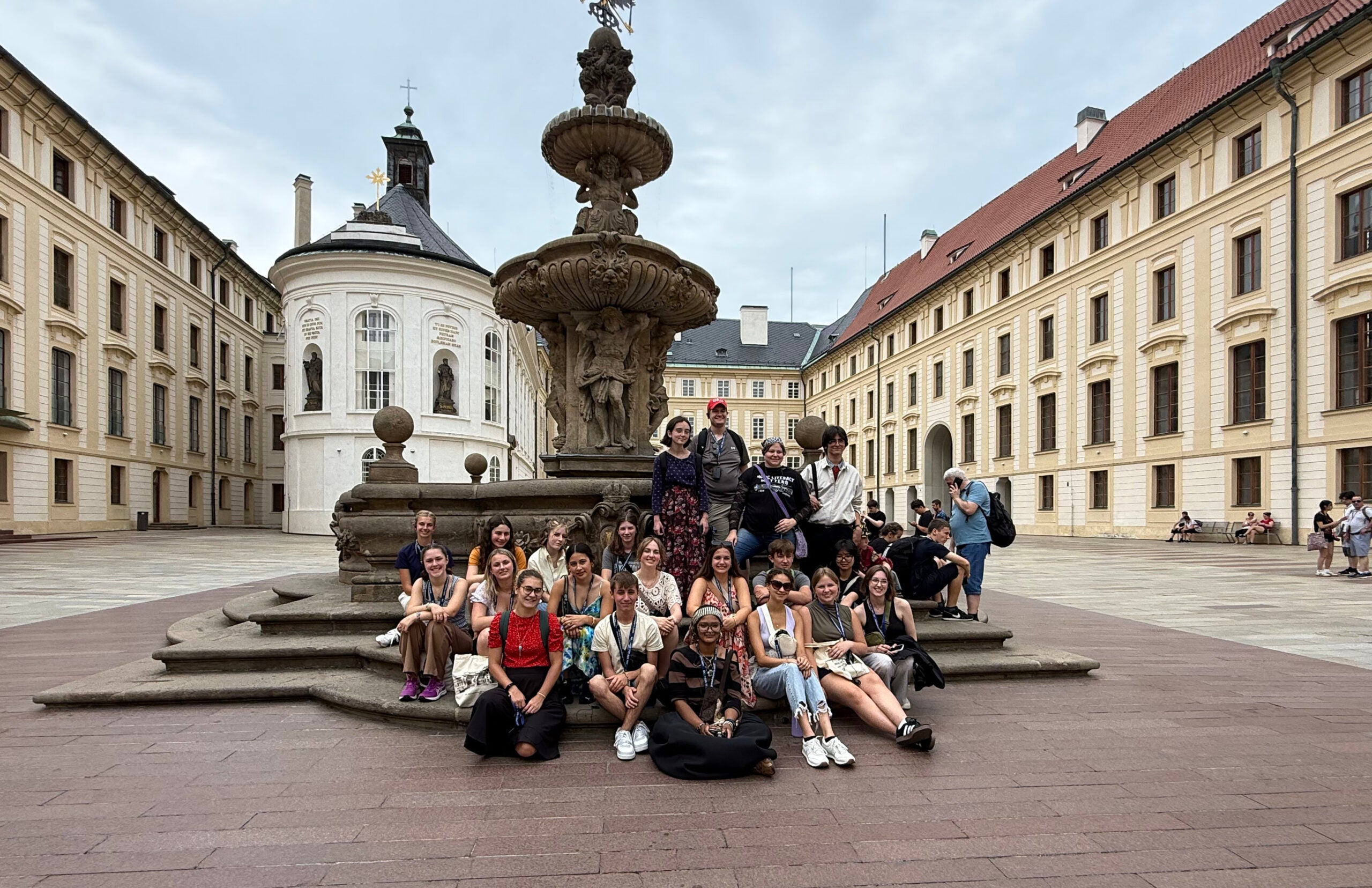
In addition to visiting historical sites and learning about the Holocaust, Edelstein hopes playing the instruments will help MYSO students better understand the experience of the Jewish people who lived and died during the Holocaust.
“One doesn’t see or touch these instruments without being touched by their stories,” Edelstein said. “There is a depth and a richness to the experience that comes to life when these instruments are played. And for our young people to connect all of these dots in their own musical experience, there’s an empathy, a warmth and a depth that is generated.”
Edelstein recounted the story of one of the violins, owned by a girl named Violet who avoided being killed by enlisting to play in the woman’s orchestra at Auschwitz.
“Violet survived until the liberation in April 1945,” Edelstein said. “This is the story of Violet’s violin — a violin that saved her life.”
Edelstein said she’s looking forward to an upcoming concert on Nov. 16 with MYSO alumna and internationally renowned violist Wendy Richmond. Richmond will be coming home to play Ernest Bloch’s “Suite Hébraïque,” which draws upon Jewish music.
More Violins of Hope events, including concerts and exhibitions, will be taking place around the state. For more information, visit the Violins of Hope Wisconsin website.