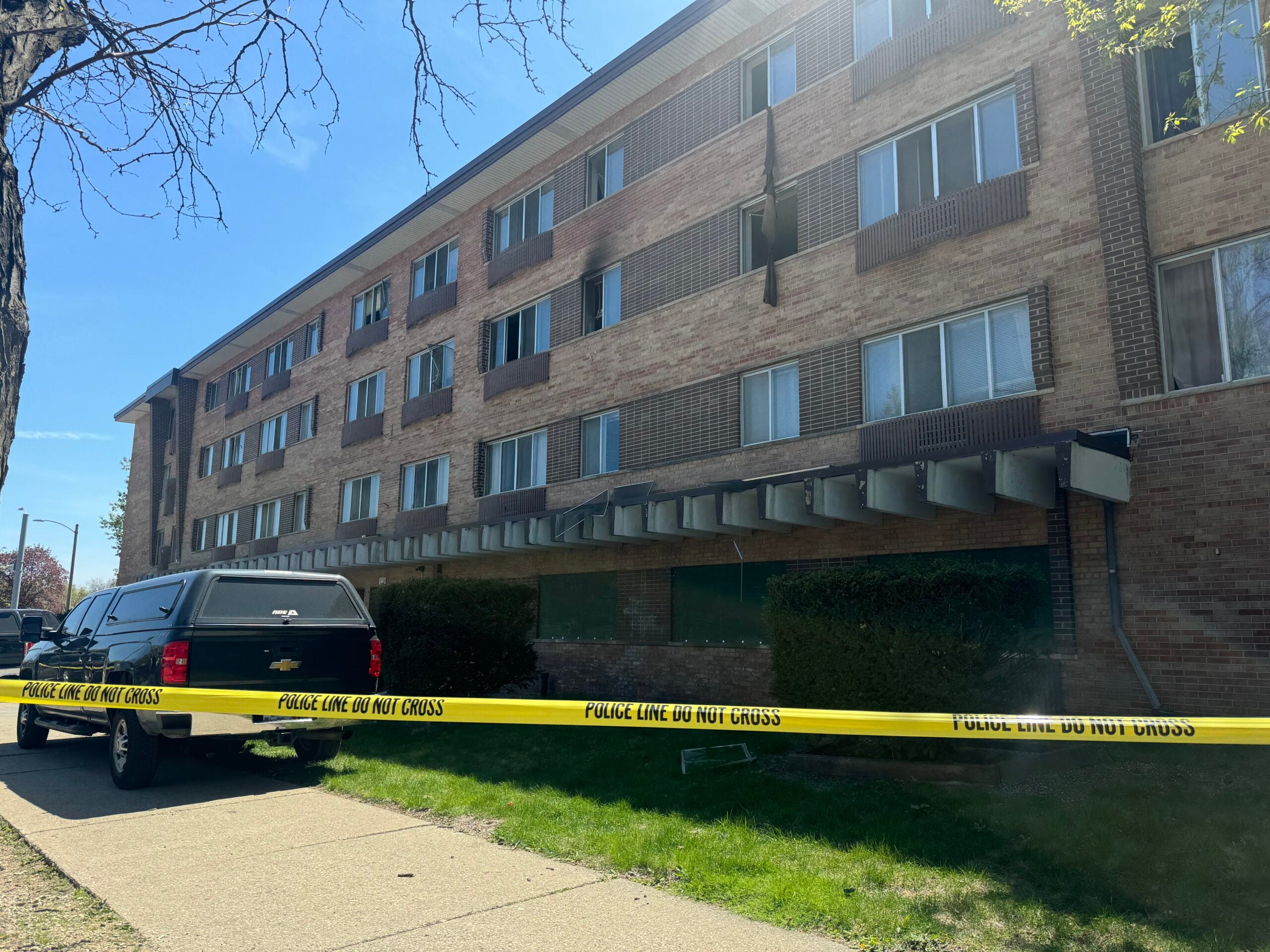
A new push by Wisconsin lawmakers aims to prevent apartment fires like the one that killed five people and displaced around 100 others in Milwaukee in May.
A new bill would offer grants to Wisconsin landlords to put fire sprinkler systems in their buildings.
Another bill, introduced by Democratic state lawmakers on Monday, would allow local municipalities the ability to pass ordinances requiring apartment buildings of any age be equipped with sprinkler systems.
News with a little more humanity
WPR’s “Wisconsin Today” newsletter keeps you connected to the state you love without feeling overwhelmed. No paywall. No agenda. No corporate filter.
The Milwaukee fire happened at a building constructed in 1968 that was not required to have a sprinkler system. By state law, they are required in buildings taller than 60 feet built since 1974.
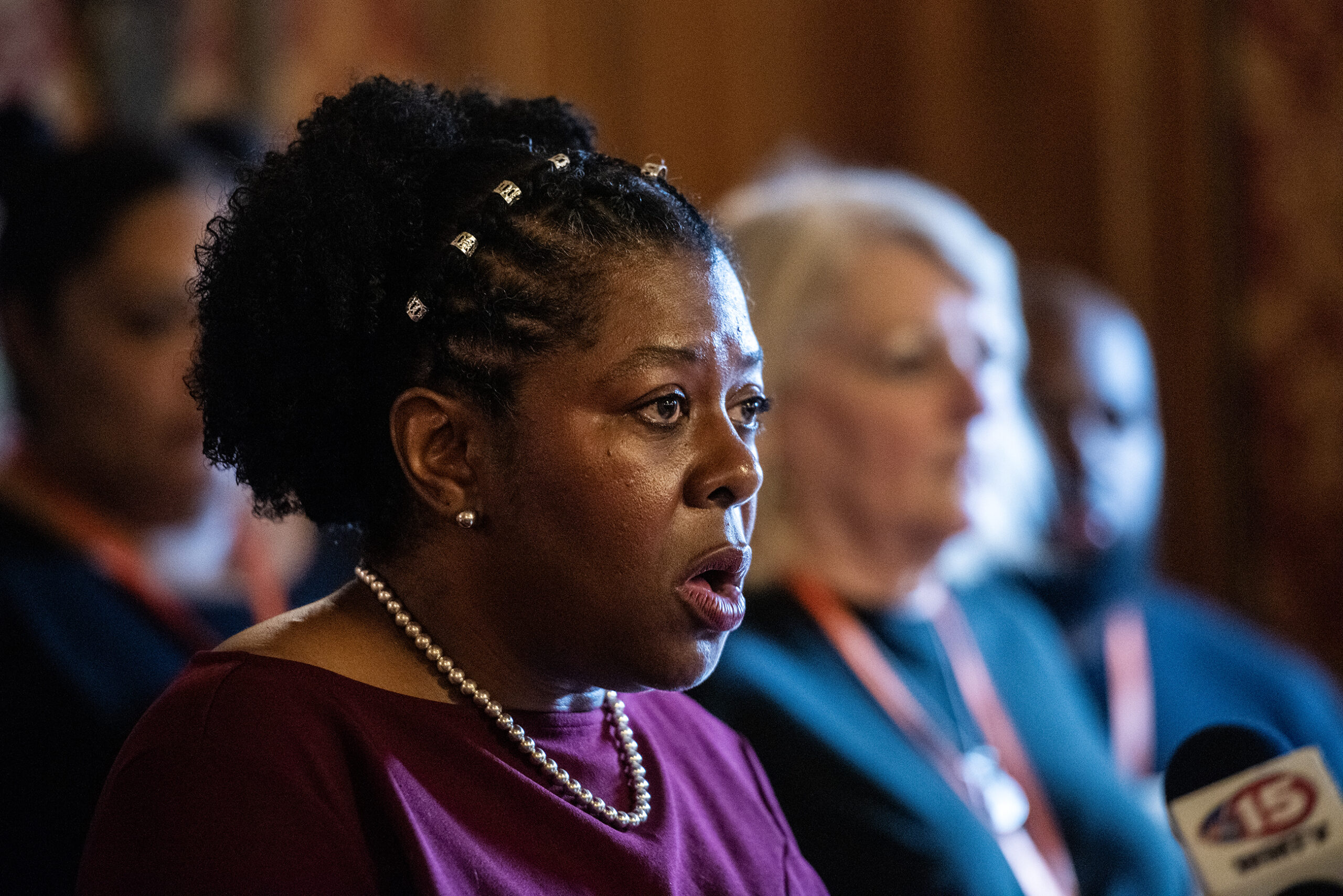
“This tragedy was not an isolated incident,” state Sen. LaTonya Johnson, D-Milwaukee, said Monday at a press conference. “Fires in multi-family buildings have taken lives and destroyed homes all across the state.”
Under the grant proposal, the state Department of Administration would create a $10 million grant program for landlords to use to help put a fire sprinkler system in their building. Johnson said she knows installing those systems can be costly.
“We want to make sure that the landlords don’t have to pass that cost off to tenants,” Johnson said.
Data from 2017 to 2021 from the National Fire Protection Association found that sprinklers were “effective at controlling the fire in 97 percent of the incidents” where sprinklers were present and operating.
It’s unclear how many apartment buildings in the state do not have sprinkler systems. The third bill introduced Monday would require the state Department of Safety and Professional Services to perform an audit on how many apartment buildings are without sprinklers.
“Many of these buildings were constructed before modern fire safety building practices or automatic fire sprinklers were required, and they’ve been rented out this way for decades,” Johnson said.
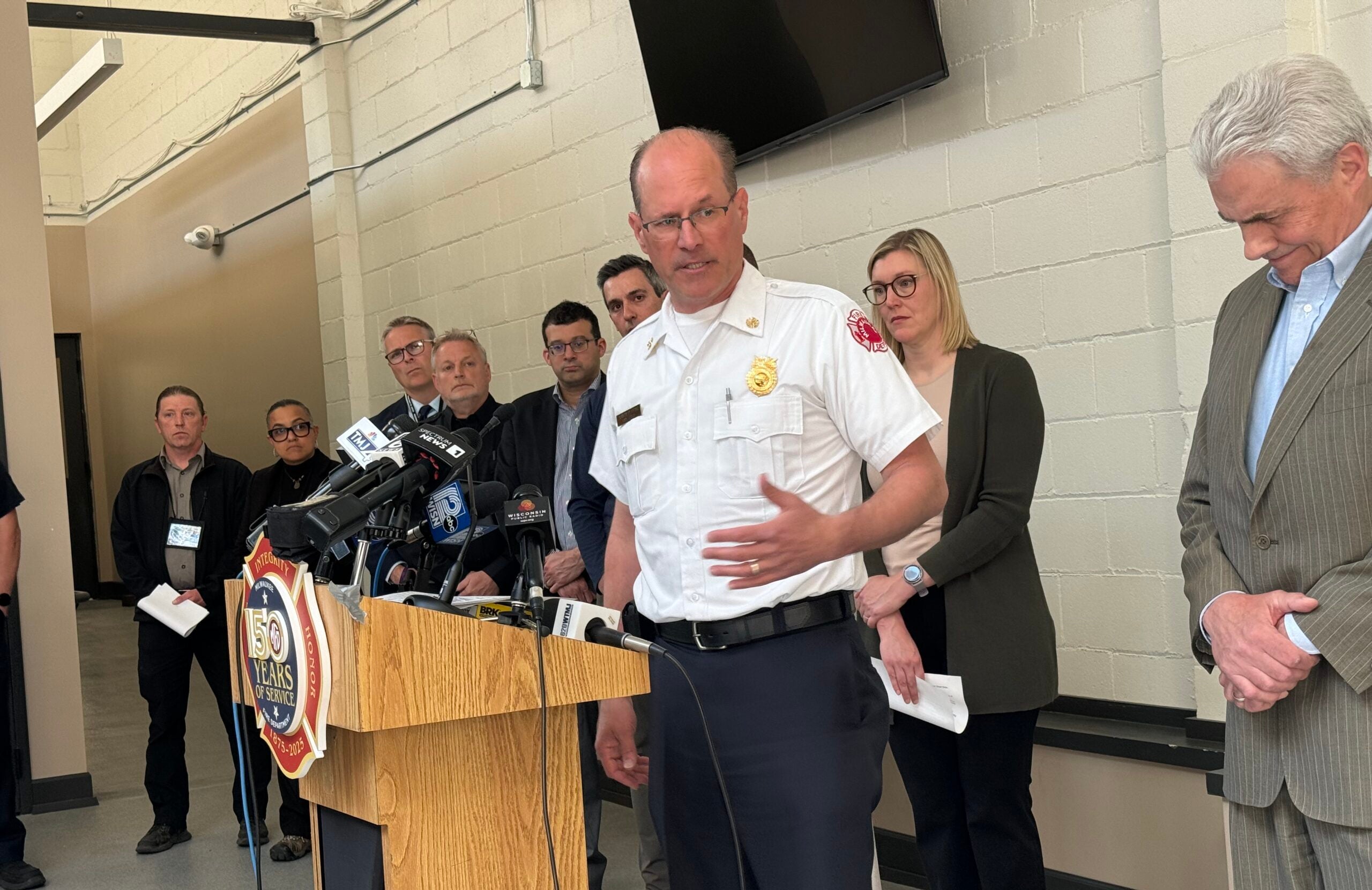
Milwaukee Fire Chief Aaron Lipski, who spoke in support of the bills, said fire sprinklers can help save lives. Lipski has said he believes fewer people would have died or been injured in the apartment fire in May if a sprinkler system had been present.
“We understand that it (installing sprinklers) is expensive, but we also value life more than the almighty dollar, and I will never stop my push for sprinklers as long as I’m in this position and beyond,” Lipski said on Monday.
Grants would be awarded on a “first-come, first-served basis,” according to an analysis by the Legislative Reference Bureau. However, the grant can only cover up to half of the cost of a fire sprinkler system for a building, the analysis said.
Local municipalities would have greater power under the bill
An analysis from the Legislative Reference Bureau found that under state law, local municipalities are “generally prohibited” from establishing minimum standards for building codes.
In an email, Ryan Lashua, chief of staff for Johnson, said the bill “empowers local governments to better protect lives by allowing them to regulate fire detection, prevention and suppression in residential buildings.”
That means local governments would be allowed to create rules requiring the sprinkler systems.
State Rep. Margaret Arney, D-Wauwatosa, is a supporter of that measure.
“It has been unfortunate and unfair that our state laws have prevented local municipalities, particularly Milwaukee, from having higher safety protocols needed for the … old housing that we have,” Arney said.
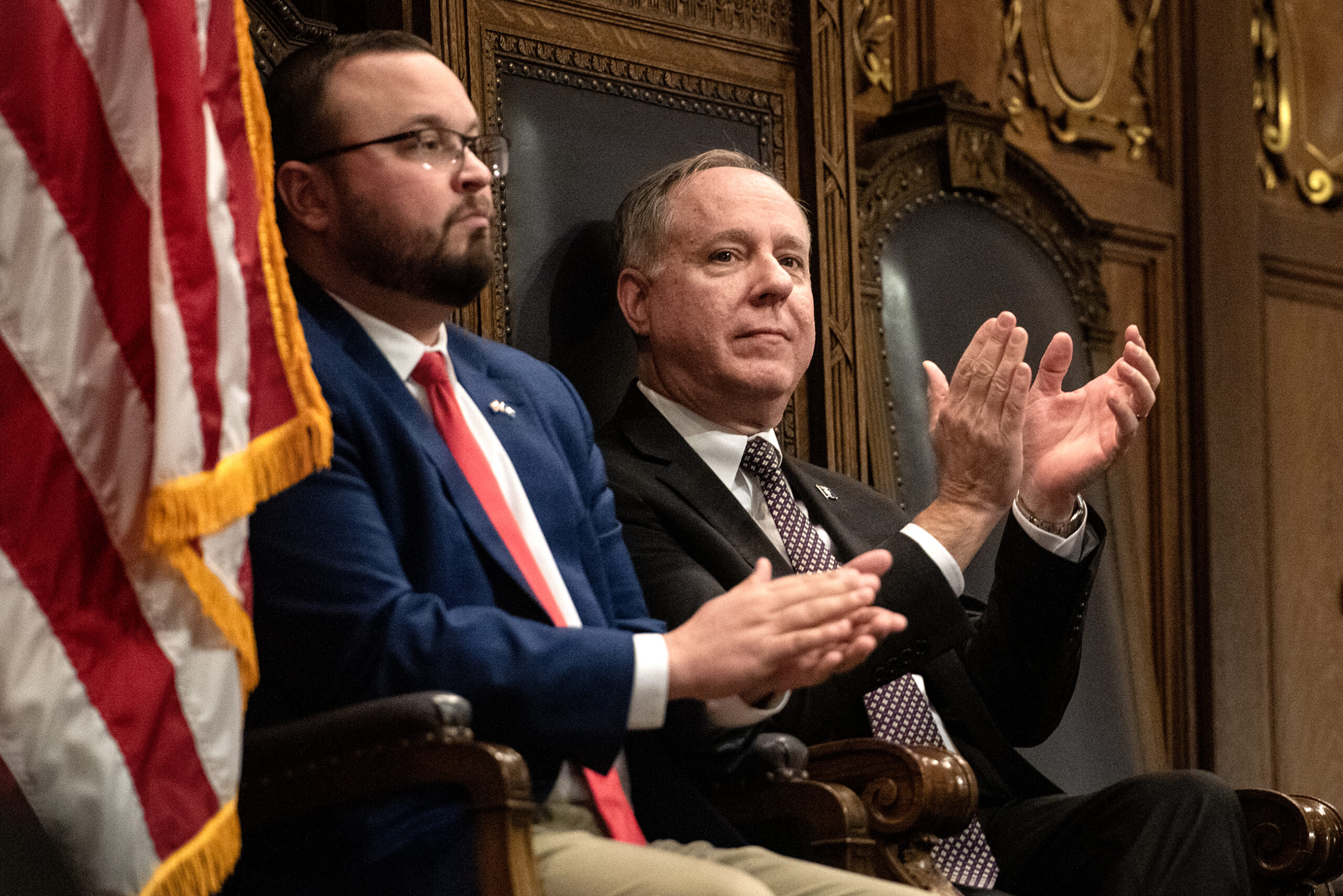
The bill is out for cosponsors now. Johnson said she hopes to get bipartisan support. However, Assembly Speaker Robin Vos, R-Rochester, said he is against any “mandate” that would require fire sprinklers in older buildings.
“In the midst of a housing crisis in Wisconsin, the last thing we want to do is drive up costs that push people out of their homes,” Vos wrote in a statement. “These added costs will be passed to the consumer, not the landlord. Implementing this mandate sounds great on the surface but instead it will make it even harder to own a home or rent an apartment.”

Wisconsin Public Radio, © Copyright 2026, Board of Regents of the University of Wisconsin System and Wisconsin Educational Communications Board.