
Gov. Tony Evers and GOP lawmakers say they’re optimistic that a long-awaited deal is in sight over releasing $125 million set aside to address PFAS contamination.
Evers and Republicans pointed to proposed amendments to two bills authored by State Sen. Eric Wimberger, R-Oconto, and Rep. Jeff Mursau, R-Crivitz. The proposals would create grant programs to address PFAS contamination and exempt certain individuals and facilities from paying for PFAS cleanup under the state’s spills law.
Last year, Evers vetoed a similar GOP bill over fears it would let polluters off the hook and limit the authority of the state Department of Natural Resources. In October, DNR staff testified that the reintroduced bills, as written, would prevent the agency from holding polluters accountable.
But Evers signaled Wednesday a deal may be within reach.
“I met with Republican lawmakers and the DNR last week about critical PFAS bill changes that will be necessary to garner my support, and I’m really optimistic we’re finally going to be able to get something good done here after months of successful and productive negotiations,” Evers said in a statement.
The agreed-upon changes include protections for innocent landowners, funding for emergency bottled water, $80 million for local governments and $35 million for a grant program to replace or rebuild contaminated wells.
Under the changes, a number of groups would not be held liable for PFAS contamination under the state’s spills law, including farmers, landowners, business owners, fire departments and municipalities. The state’s spills law requires anyone who causes, possesses or controls a hazardous substance to clean it up.
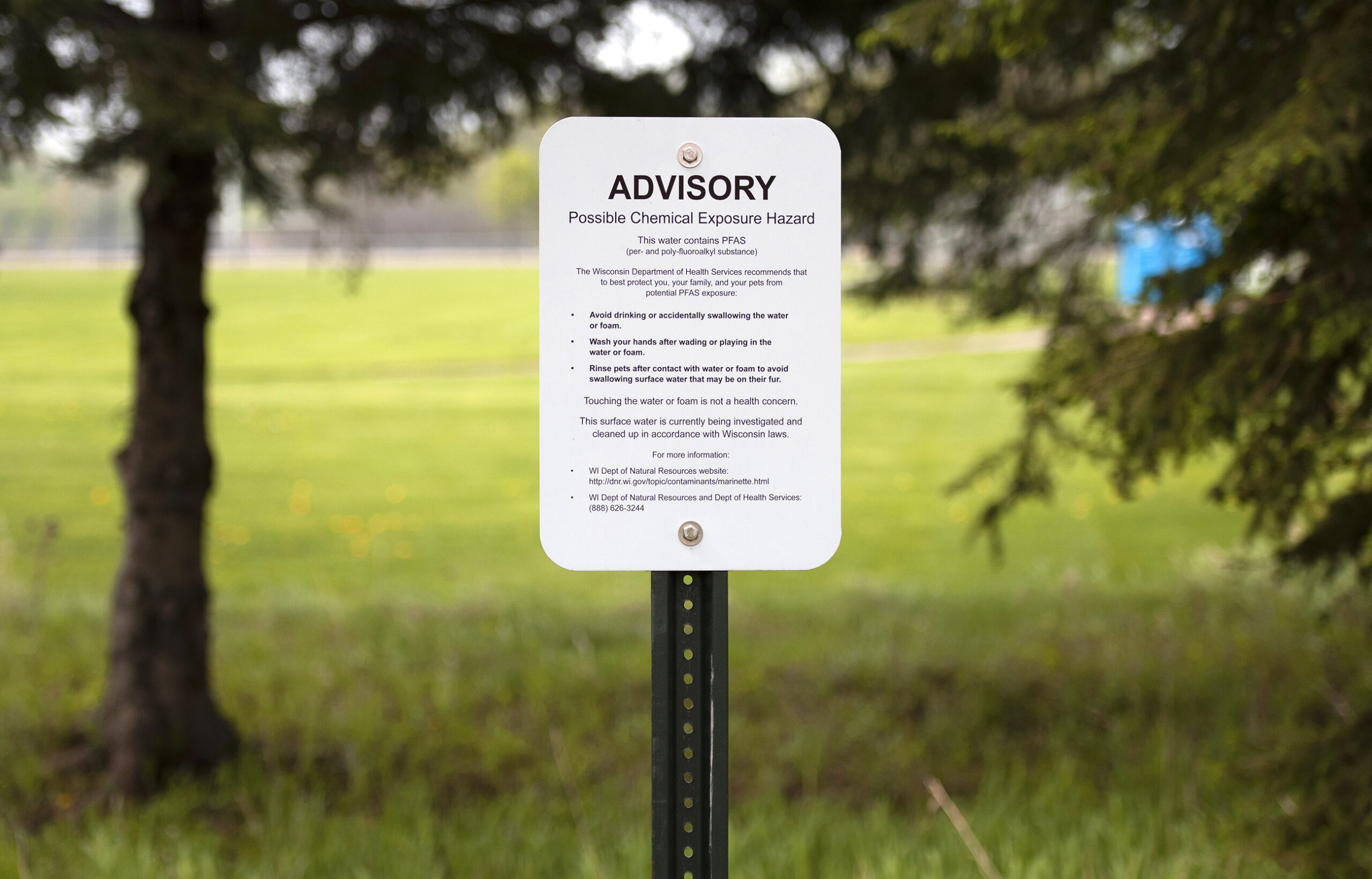
The Democratic governor and Republicans had long been gridlocked over addressing the so-called forever chemicals known as PFAS, or per- and polyfluoroalkyl substances. The chemicals have been linked to serious health issues and don’t break down easily in the environment. Funds set aside in a PFAS trust fund in the last state budget have sat untouched for more than two years.
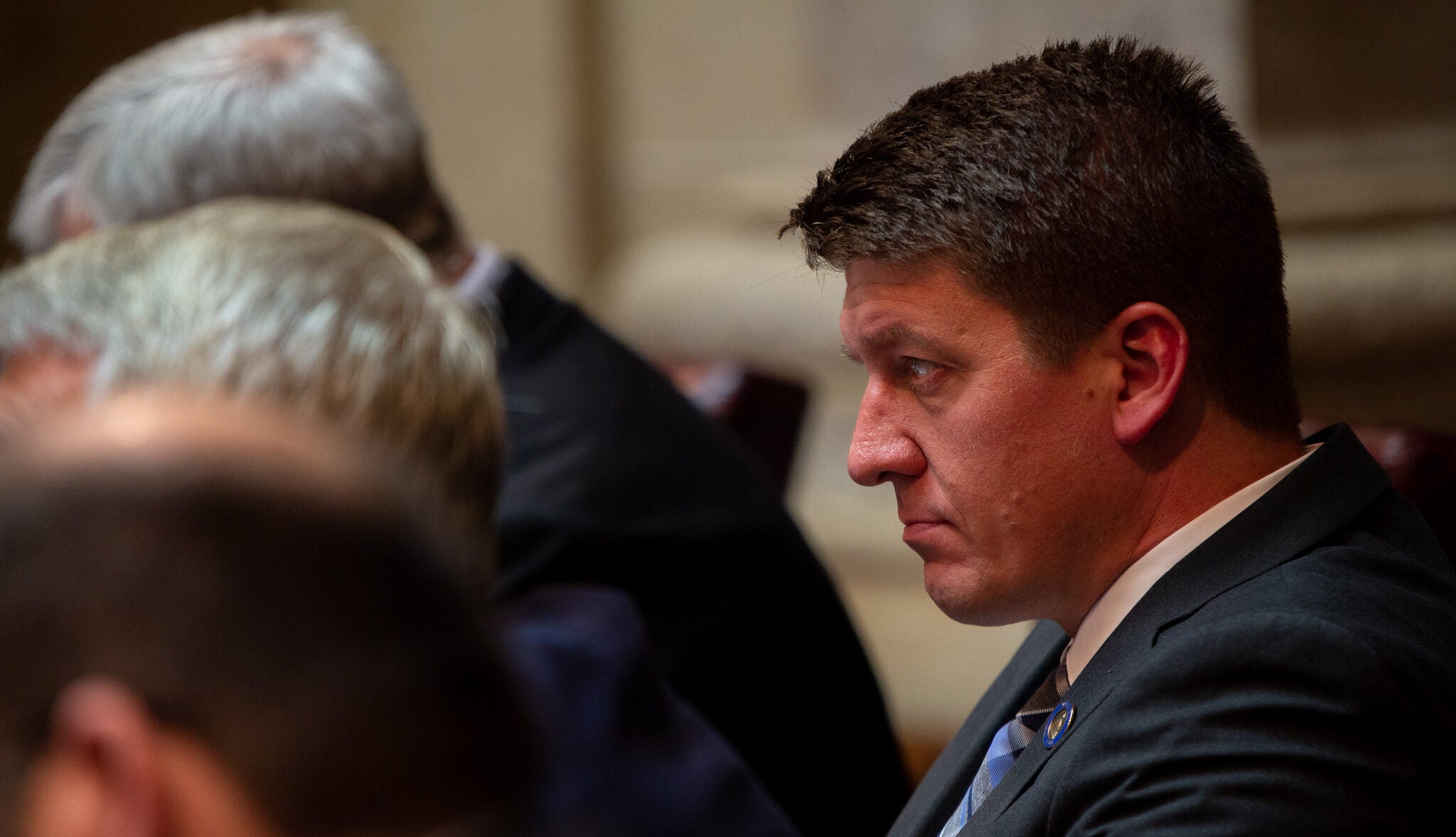
Wimberger, who sits on the Republican-controlled finance committee, said the bills would provide relief for communities struggling with PFAS contamination without punishing landowners for pollution they didn’t cause.
“It releases the PFAS trust fund money in a manner that triages the most vulnerable and needy people as a priority. But, most significantly, it (includes) all of the legal changes that I was pushing for five years now, including the innocent landowner portion,” Wimberger told WPR. “I think that would be the most significant change from last session is that the governor has stepped off the ledge on innocent landowner protections. We’ve really gone a long way with that.”
Evers and Wimberger said staffing at the DNR was the only major item that had yet to be resolved under the bipartisan deal. DNR Secretary Karen Hyun is expected to testify on the proposed changes to the bills in a public hearing of the Assembly’s environment committee Wednesday.
In prepared remarks, Hyun said the DNR has agreed to narrow exemptions for PFAS under the state’s spills law that are “pragmatic, reasonable, implementable and, most importantly, protective of human health and the environment.”
Under the changes, Wimberger noted that some companies and airports would not be considered innocent landowners. He said that includes paper companies that used PFAS in their manufacturing process.
“The paper companies that discharged onto farm fields, that discharge will still be considered a hazardous discharge,” Wimberger said.
Last fall, the DNR named paper companies responsible for widespread PFAS contamination in the town of Stella, including the Rhinelander mill’s owner Ahlstrom Rhinelander LLC. Regulators have said PFAS pollution of private wells stems from spreading paper mill sludge on farm fields in the region.
WPR previously reported that around half a million acres of farmland receive industrial sludge, sewage sludge or septage each year. Most of it has never been tested for PFAS, but the DNR has started to require PFAS sampling of the material under permits and licenses as they come up for review.
Under a community grant program, local governments could obtain funds to conduct sampling of public water supplies, schools, child care centers, high capacity wells, wastewater and sewage sludge. They would also be able to spend funds on creation of new public water systems and investigations of PFAS contamination.
The DNR has previously said 96 public water systems would be required to address PFAS levels that exceed federal standards for the chemicals enacted last year.
News with a little more humanity
WPR’s “Wisconsin Today” newsletter keeps you connected to the state you love without feeling overwhelmed. No paywall. No agenda. No corporate filter.
Editor’s note: This story will be updated.

Wisconsin Public Radio, © Copyright 2026, Board of Regents of the University of Wisconsin System and Wisconsin Educational Communications Board.