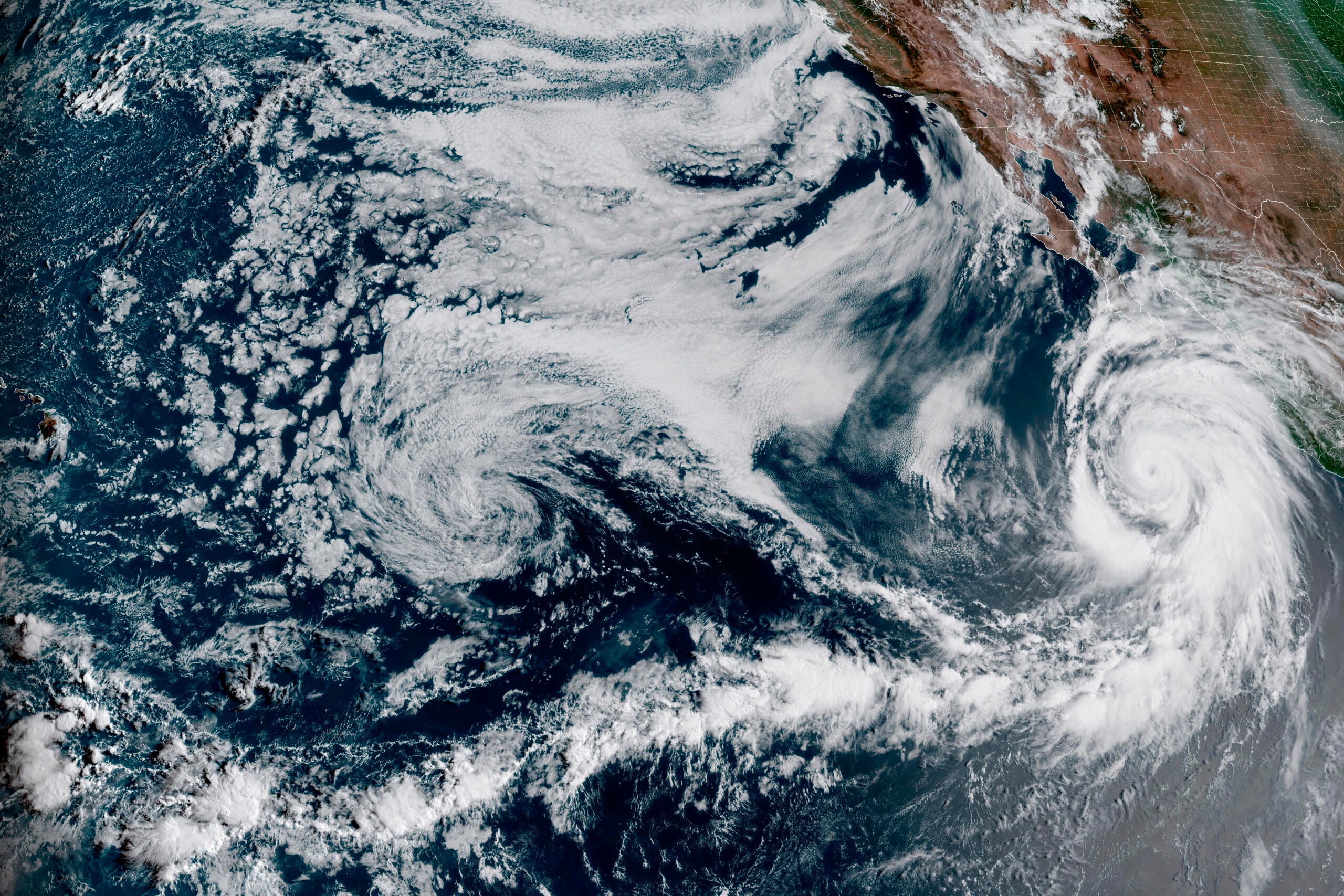
Wisconsin scientists and students say the planned dismantlement of a national climate and weather center will have devastating effects on research in the state.
The White House announced plans last week to dismantle the National Center for Atmospheric Research, or NCAR, in Colorado. Students at the University of Wisconsin-Madison and UW-Milwaukee work on research through the center.
Breaking up NCAR is the latest move by President Donald Trump, who has called climate change a hoax, to cut funding for climate research.
News with a little more humanity
WPR’s “Wisconsin Today” newsletter keeps you connected to the state you love without feeling overwhelmed. No paywall. No agenda. No corporate filter.
White House Office of Management and Budget Director Russell Vought posted his plan to dismantle NCAR on X, calling it “one of the largest sources of climate alarmism in the country.”
Ankur Desai, who chairs UW-Madison’s Department of Atmospheric and Oceanic Sciences, says NCAR is far from an alarmist organization.
“It is actually where everything we know and have learned about climate comes from,” Desai said. “They are measured, factual and scientific.”
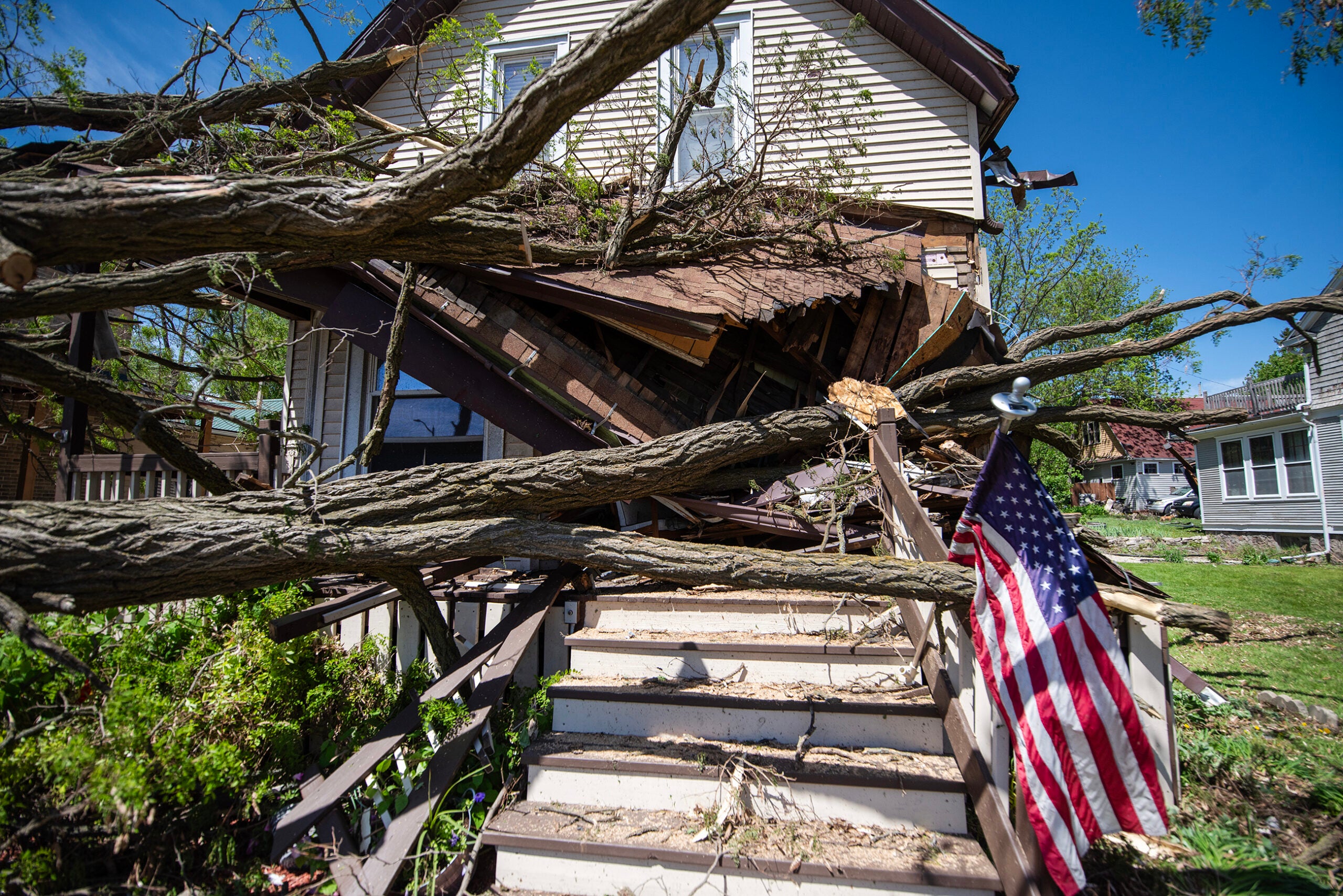
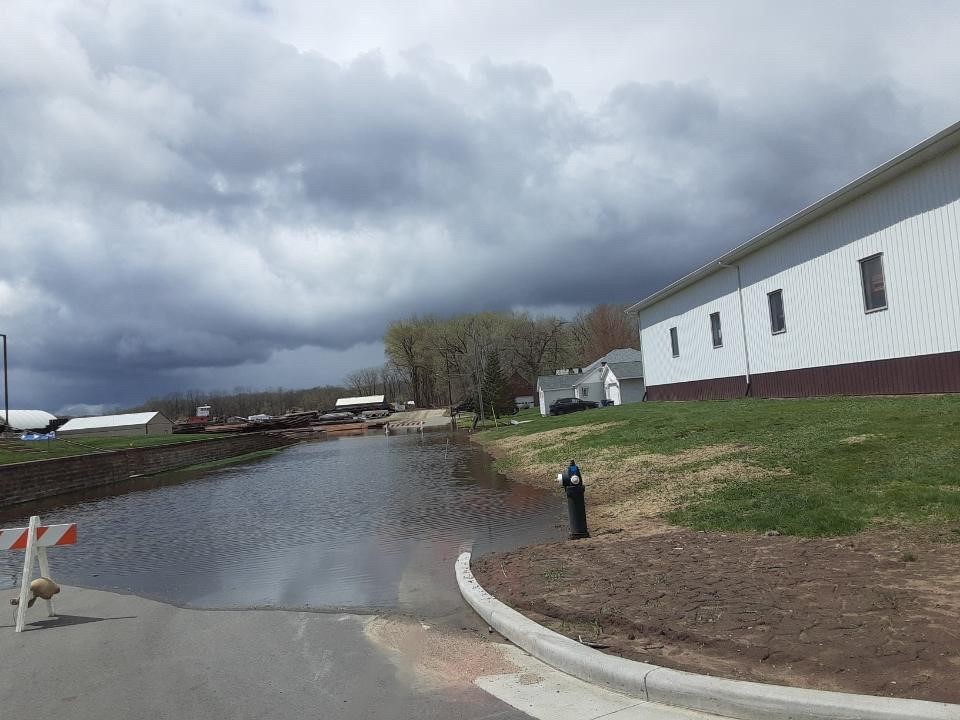
Desai said dismantling NCAR would jeopardize the study of everything from severe storms and floods to droughts and wildfires.
For several years, UW-Madison assistant professor Elizabeth Maroon and her students have worked with NCAR to study ocean temperature extremes.
Maroon is currently doing a project using cutting-edge data sets that were developed at NCAR over the last two decades.
“We’re able to do new science that we otherwise couldn’t do around these very, damaging, catastrophic events,” Maroon said. “But it’s not just limited to the ocean. I mean, we’re talking severe weather from tornadoes, tropical cyclones, droughts, floods, the technology and the way of observing those, a lot of it is foundationally at NCAR.”
That years-long research and work will be gone if NCAR is dismantled.
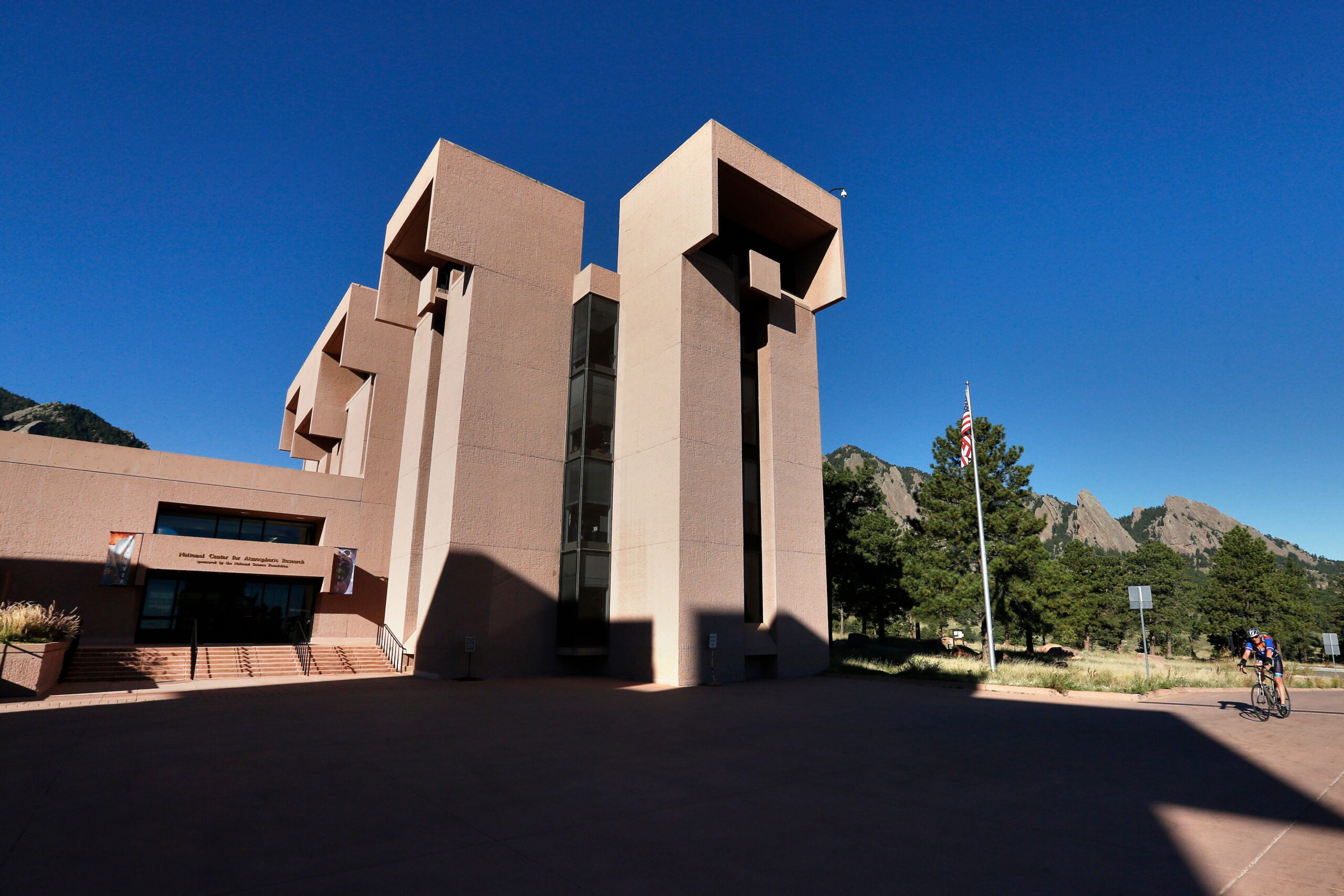
The center was founded 60 years ago to provide universities with expertise and resources for collaborative research on global weather, water, and climate challenges.
NCAR is managed by a nonprofit consortium called the University Corporation for Atmospheric Research, which consists of over 130 universities and colleges including UW-Madison and UW-Milwaukee.
Desai said the thought of a large-scale reduction of what NCAR does puts all of the work that universities do at risk.
“It’s not just our department,” Desai said. “We’ve been hearing from every corner of the University of Wisconsin that relies on data and models and facilities and ongoing projects and students who are doing research internships there.”
UW-Madison sophomore Nick Bostedt is hoping to become a meteorologist. He said some of his classmates are rethinking their career choices because of federal cuts affecting the field.
“Especially with this and some of the other cuts that’s been going on over the last year, it has definitely caused some panic,” Bostedt said. “But we are the leaders of this field in the entire world, like the U.S. is known for having some of the top meteorologists, and if we don’t continue investing in it, we’re going to lose that.”
Since the White House’s announcement last week, hundreds of people have protested in Colorado.
Both Republican and Democratic senators held up an appropriations package over NCAR’s future this week.
Colorado Governor Jared Polis said the state hasn’t heard directly from the White House, but in a statement said if it dismantles NCAR, “public safety is at risk and science is being attacked.”
NPR contributed to this report.

Wisconsin Public Radio, © Copyright 2026, Board of Regents of the University of Wisconsin System and Wisconsin Educational Communications Board.