A federal judge has ordered Wisconsin to give back pay to disabled workers who were denied unemployment over the past decade.
The case also found that a “blanket denial” of unemployment payments to Wisconsinite receiving Social Security disability payments violates the Americans with Disabilities Act.
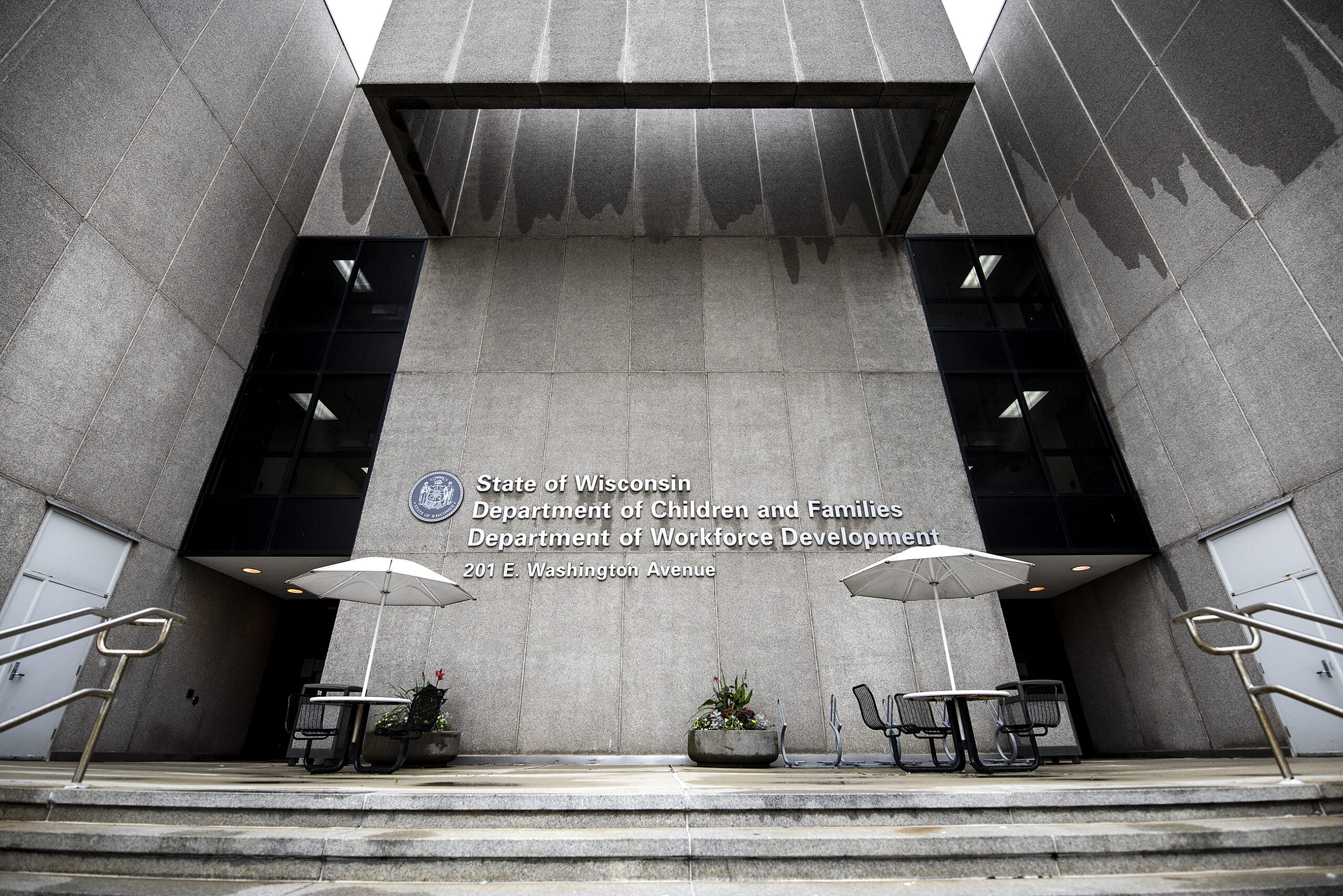
The August order from federal Western District Court Judge William Conley requires the Wisconsin Department of Workforce Development to create a process for potentially thousands of residents who were denied unemployment between Sept. 7, 2015 and July 30, 2025.
It’s an extension of a previous ruling in July, in which Conley found Wisconsin law “intentionally discriminates” against people with disabilities because they weren’t allowed to collect unemployment benefits after losing their jobs since they were receiving disability payments through Social Security. At the time, Conley wrote “it is not at all obvious” why those individuals were excluded.
The exclusion in the state’s unemployment law dates back to laws passed in 2013 and 2015 that were signed by former Gov. Scott Walker. The 2013 law dictated that residents can’t simultaneously collect both Social Security Disability Insurance benefits, known as SSDI, and Unemployment Insurance benefits, or UI. The 2015 law added slight modifications, specifying that disabled individuals couldn’t get unemployment benefits in any week in which they also received Social Security payments.
Victor Forberger is a labor attorney who represented eight people in the class action lawsuit. He told WPR the restrictions were based on a false claim of “double dipping” made by lawmakers who assumed people getting SSDI payments did not work.
“That’s a stereotype and a presumption that doesn’t exist factually, and usually we consider that to be discrimination and prejudicial,” Forberger said.
He said the reality is many people on disability do work because they can’t afford to live off the Social Security payments alone.
“Just like many retired folks continue to work because their Social Security is not enough to support them in their retirement,” Forberger said.
Tracy Long, one of the plaintiffs in the class action suit, was injured at work in 2019 and filed for unemployment later that year. In 2020, she began receiving disability payments through Social Security and was later accused of fraud by the Wisconsin Department of Workforce Development and ordered to repay $1,500 after struggling to get guidance from the agency on how to fill out the proper paperwork.
Long told WPR she was “ecstatic” about the rulings and joined the suit “to be a voice for other people who weren’t able to get any help” with DWD’s complicated claim filing process.
News with a little more humanity
WPR’s “Wisconsin Today” newsletter keeps you connected to the state you love without feeling overwhelmed. No paywall. No agenda. No corporate filter.
In a statement, DWD Communications Director Haley McCoy said the agency has begun processing new unemployment claims from people who are receiving disability payments through Social Security since July of this year, when Judge Conley issued an injunction. McCoy also said efforts to change the unemployment law by Democratic Gov. Tony Evers were blocked by the Republican-controlled state Legislature.
“Governor Evers attempted to repeal this statute in each of his last three biennial budgets, but his proposal was cut from the budgets passed by the Joint Finance Committee, leaving the 2015 law on the books,” McCoy wrote. “Without action from the legislature, DWD had a responsibility to administer the existing law.”
Forberger said there’s still a “difficult process” ahead for the DWD to find, notify and assist those individuals who were denied unemployment insurance over the past decade. He said there are also numerous cases pending before the state’s Labor Industry Review Commission and DWD, which he claims haven’t been willing to acknowledge the federal rulings.

Wisconsin Public Radio, © Copyright 2026, Board of Regents of the University of Wisconsin System and Wisconsin Educational Communications Board.