Benjamin Lee’s monthly student loan payment recently jumped from $450 a month to $1,300.
Lee, a Milwaukee resident, had been enrolled in the Saving on a Valuable Education plan, better known as SAVE.
The Biden-era student loan repayment plan was the most flexible and generous income-driven repayment plan available. The plan promised expedited loan forgiveness and monthly payments as low as $0 for low-income borrowers.
News with a little more humanity
WPR’s “Wisconsin Today” newsletter keeps you connected to the state you love without feeling overwhelmed. No paywall. No agenda. No corporate filter.
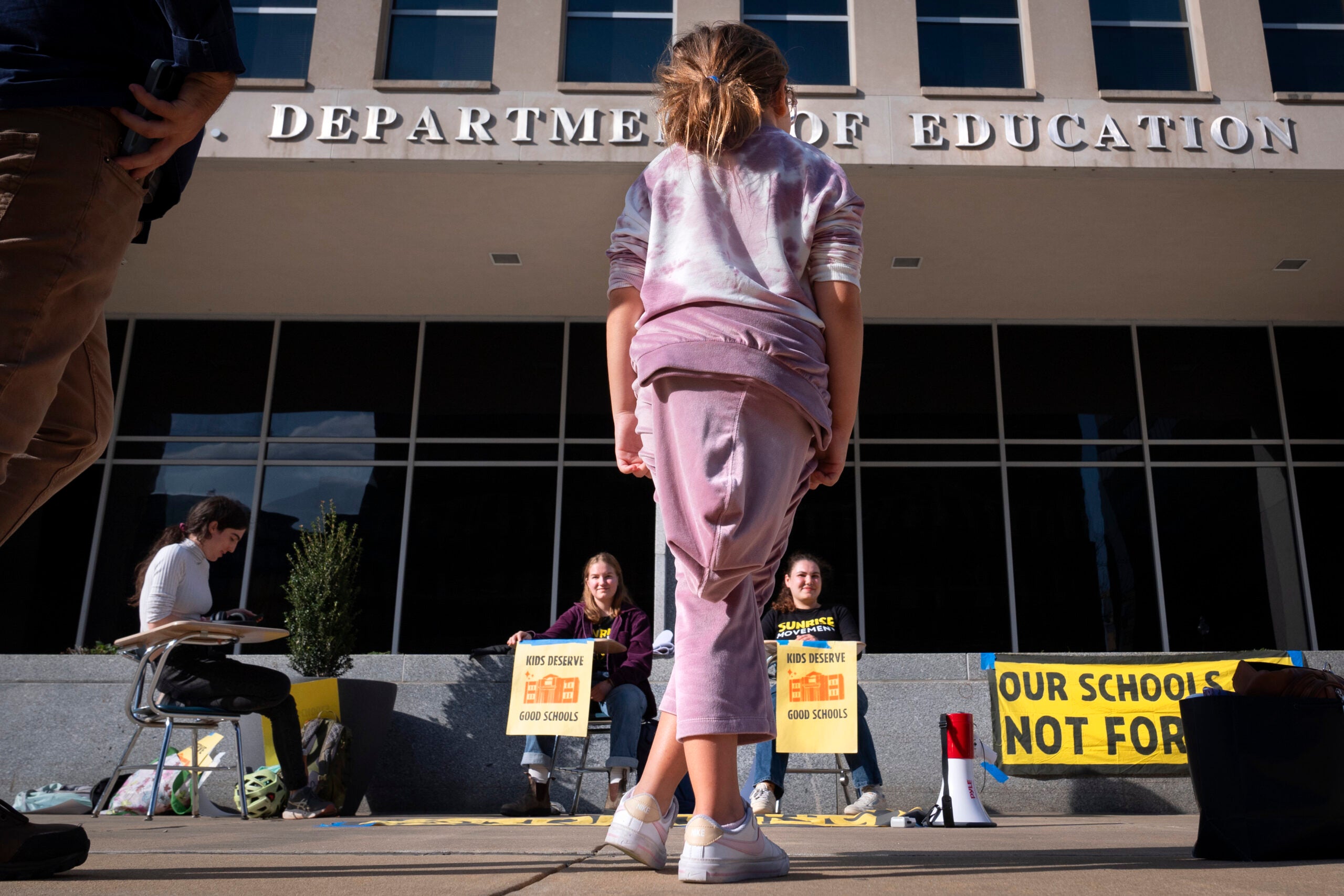
On Dec. 9, the U.S. Department of Education announced the SAVE plan is ending.
That means Lee and about 135,000 other Wisconsities enrolled in SAVE have to find another plan.
“The difference can be pretty jarring,” Lee said. “SAVE was a very borrower-friendly plan.”
In a statement, the U.S. Department of Education called the SAVE plan “illegal.”
For months, the SAVE plan has faced legal challenges, putting borrowers in limbo and not requiring them to make payments. Interest resumed accruing on SAVE loans in August.
“The law is clear: if you take out a loan, you must pay it back,” Under Secretary of Education Nicholas Kent said in a statement.
The two new plans created by Republicans’ One Big Beautiful Bill Act will roll out in July 2026 and will include a revised standard plan and a new income-driven plan called the Repayment Assistance Plan. Although, SAVE borrowers will likely be expected to change plans before then.
Despite the $600 a month hike, Lee is one of the lucky borrowers.
He’s the board president of Wisconsin Coalition on Student Debt and vice president at Ascendium Education Group, a nonprofit focused on helping low-income students get training and education after high school.
So, Lee has been watching the long legal battle and planning for an end of SAVE.
And, his loan will be forgiven soon through the Public Service Loan Forgiveness program, which forgives the remaining balance on direct loans after 10 years.
Knowing the program is ending, Lee opted to make the switch to a new program with the higher payment now. All borrowers in the plan will be notified in 2026 that SAVE is being eliminated and then they’ll have to decide which plan to switch into.
If they don’t choose an alternative on their own, they’ll be put into a standard repayment plan.
“Borrowers can select an income-driven repayment plan, but none of them are going to get your payment as low as what SAVE was getting most borrowers,” Lee said. “For many, it will probably be a bit of a shock how much higher their payment will be.”
Carole Trone is executive director of the Wisconsin Coalition on Student Debt. She suggests people act now.
Trone says a student loan payment simulator online can help borrowers find the right plan for them. And if the new student loan plan is too high, borrowers can apply for deferment or forbearance to avoid a negative effect on their credit score.
“I mean, it’s totally understandable that people are just dreading trying to wrap their heads around what’s going on,” Trone said. “SAVE was an unprecedentedly borrower friendly plan, and so coming off of that, for most borrowers, is going to be costlier.”
The Wisconsin Coalition on Student Debt also has a help line staffed Monday through Friday for anyone with questions: 833-589-0750.
NPR contributed to this report.

Wisconsin Public Radio, © Copyright 2026, Board of Regents of the University of Wisconsin System and Wisconsin Educational Communications Board.