Bharath Shetty was in medical school in India studying to become a doctor when his career goals took a slight detour.
Kasturba Medical College, where Shetty was studying medicine and surgery, has a practice of putting its students out into the community to work with patients. It was there that Shetty realized that treating individual people sometimes misses the bigger picture.
“While I was practicing in rural and underserved areas, most of the patients I saw came in with some combination of obesity, hypertension or diabetes, what we often call ‘the big three’ chronic diseases,” Shetty told WPR’s “Wisconsin Today.”
News with a little more humanity
WPR’s “Wisconsin Today” newsletter keeps you connected to the state you love without feeling overwhelmed. No paywall. No agenda. No corporate filter.
Shetty said that what could make the biggest difference in someone’s health was simply knowledge of and access to healthy foods, access to health care and controlling pollution.
“It started to feel like I was putting out fires instead of addressing what was actually feeding these issues,” Shetty said. “I could prescribe medication, I could give advice, sure, but that didn’t seem to help someone who couldn’t afford healthy food or didn’t know what was driving their illness in the first place.”
The epiphany led Shetty to shift gears when he returned home to the United States. He began to see the potential of working in public health — improving access to health care and addressing the societal and environmental causes of illnesses.
“I didn’t really stop caring about the individual patients,” Shetty said. “I just really started caring more about the conditions and the systems that they were living in.”
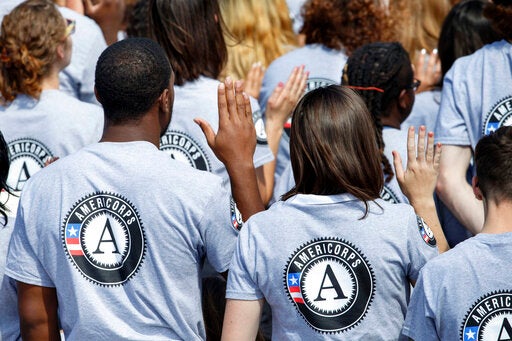
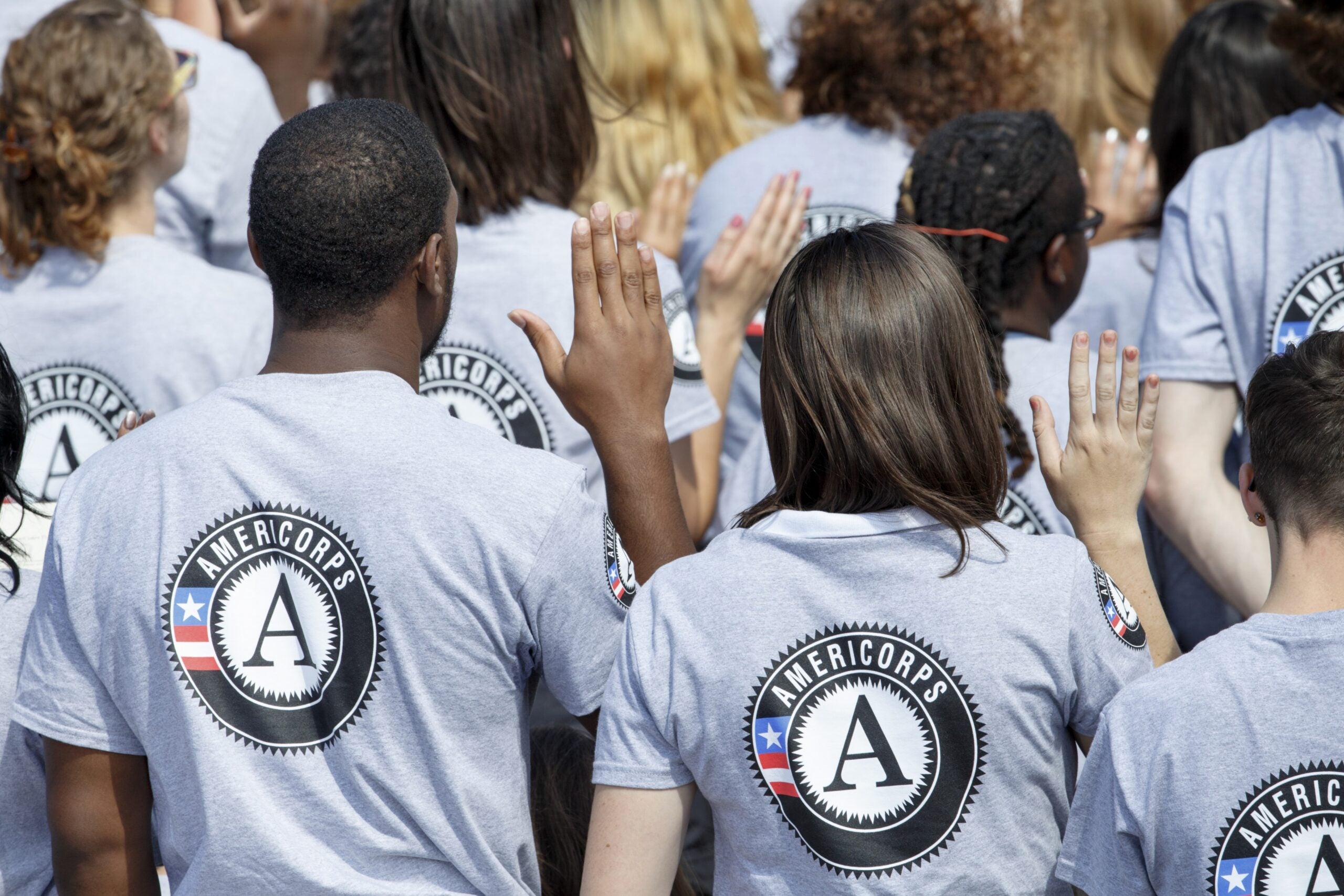
In May, Gov. Tony Evers named Shetty the 2025 AmeriCorps VISTA Member of the Year for his work with the Wisconsin Association of Free & Charitable Clinics. But Shetty has discovered the value of public health just as President Donald Trump is drastically scaling back funding for AmeriCorps, which supports public health programs around the country.
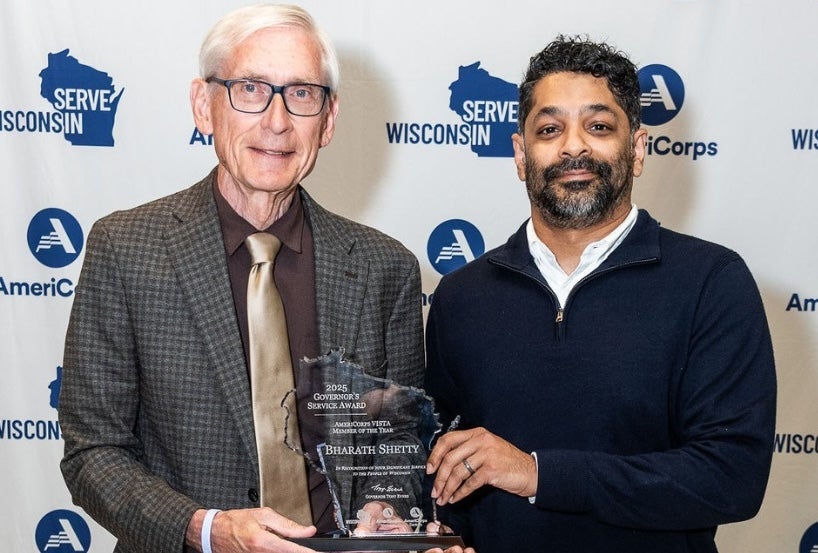
Shetty, who finishes up his tenure with VISTA in August, spoke to “Wisconsin Today” about why he thinks public health is important.
The following has been edited for brevity and clarity.
Kate Archer Kent: Can you tell us about what work you’ve been doing for the Wisconsin Association of Free & Charitable Clinics?
Bharath Shetty: The association serves people who either don’t qualify for Medicaid or fall into that coverage gap where they’re uninsured or underinsured.
A lot of these folks are working jobs that don’t offer benefits, or they’re in communities where access to affordable care is limited. So the needs of these clinics, or (the people that) they serve, are very big.
The clinics do chronic disease management, dental access, behavioral health services, specialty care. A lot of my work was behind the scenes. I helped clinics build capacity so they could better serve the communities. That meant everything from creating health communication campaigns to coordinating webinars to developing tools (the clinics) could use to tell their story or advocate for policy change.
KAK: Do these clinics have issues with waiting lists or an inability to serve all the people who come through their doors?
BS: That certainly is an issue. These clinics are seeing an increase in patient loads, and they can only do so much. These clinics are primarily funded through private donations or grants. They don’t really accept any sort of payment for their services.
Capacity is challenging for these clinics, and so that’s also a big reason why AmeriCorps comes in and helps bridge that gap.
KAK: What similarities or, perhaps, differences in the health needs are there between people that you see living in the United States versus in India.
BS: At first glance, the health care systems in India and the U.S. seem worlds apart: One’s a developed country, one’s a developing country. But once you’re on the ground, especially working with low-income or marginalized communities, the parallels become abundantly clear.
I’ve seen how poverty, education and access, or lack thereof, plays a massive role in health outcomes.
In India, it was common for patients to delay care because they couldn’t afford it or didn’t understand what symptoms meant. In the U.S., I’ve seen the same pattern, particularly among uninsured patients or those navigating complex systems like Medicaid. People fall through the cracks, not because they don’t care about their health, but because sometimes the system just isn’t built with them in mind.
Another common thread I saw is the importance of trust. Whether it’s a rural village in India or a free clinic in Wisconsin, patients need to feel heard and respected. Building that trust really takes time, cultural awareness and consistency, and it’s often the key to helping people engage in their care and follow through. And so while the infrastructure and resources might be very different, the core challenges, like health literacy, access and equity are surprisingly similar in both places. Community-based approaches and preventative care really seem to make the biggest differences.
KAK: According to the AmeriCorps website, 8,400 people worked for the program in Wisconsin last year, and it invested more than $44 million in federal and local funding around the state. What impact do you see these programs having in Wisconsin and quality of life here?
BS: AmeriCorps has been essential to the work happening in free and charitable clinics across the state. These clinics run almost entirely on donations and grants. Most don’t bill insurance or accept payment for care, so they rely heavily on volunteers and outside support, especially from AmeriCorps members.
AmeriCorps members help keep things running. We support clinic operations, we manage data, we improve patient experience. We handle outreach and volunteers. We help clinics reach more people more effectively.
I am incredibly proud to serve alongside my AmeriCorps cohort. After program cuts earlier this year, we were placed on administrative hold and were unsure what the next steps were. During that time, many of them continued to show up for their clinics, volunteering their time, staying involved however they could, and they continued serving their clinic communities that relied on them.