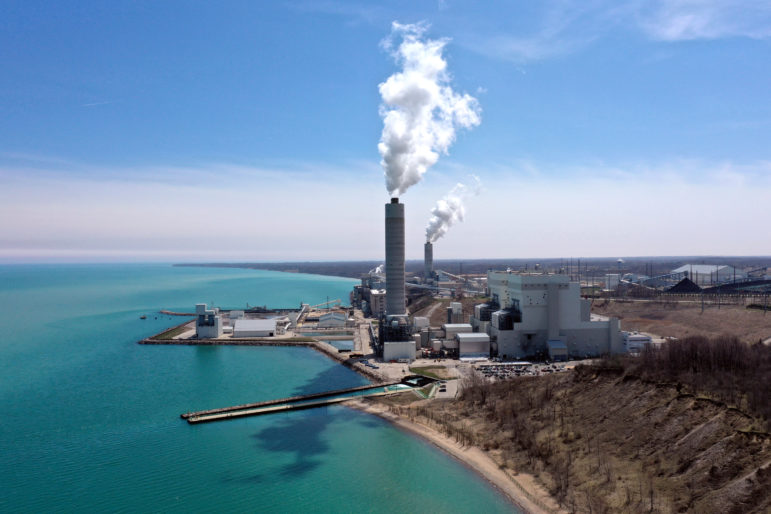
We Energies will keep two aging coal-fired units running at its Oak Creek Power Plant for one year longer than planned, the company announced Wednesday.
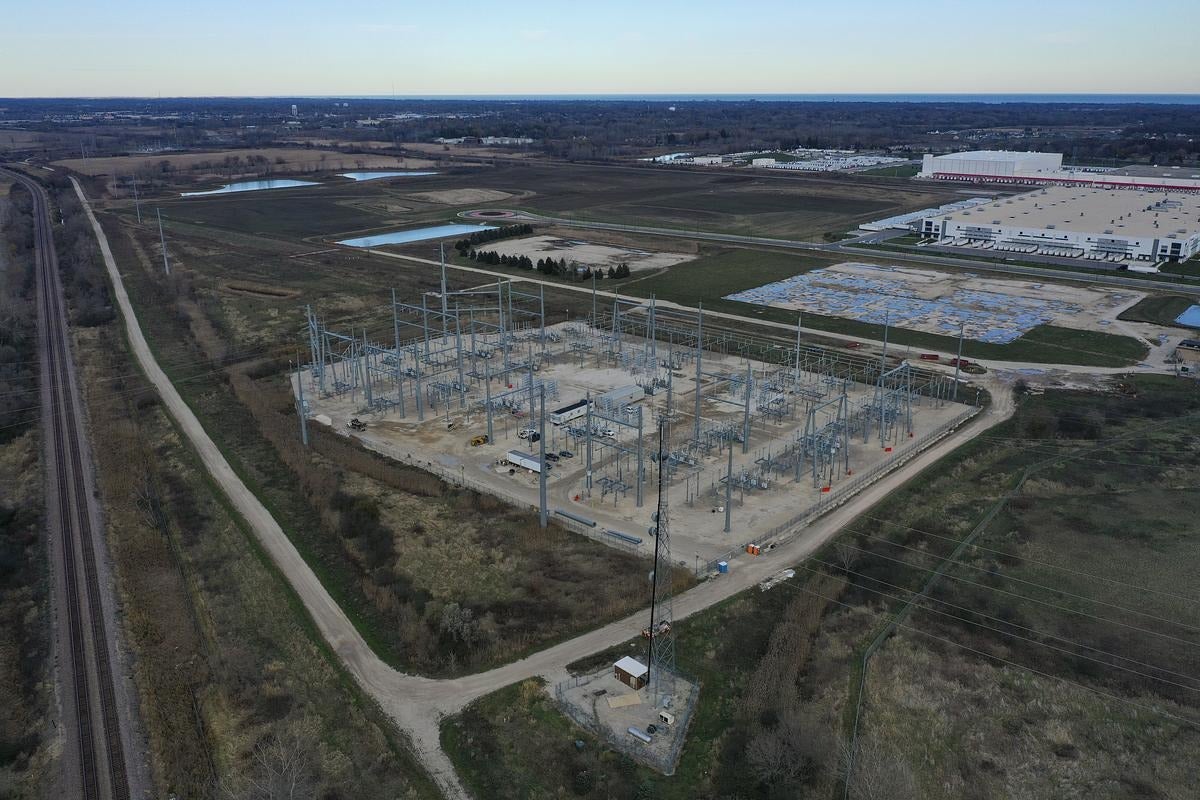
The units, built in the 1960s, will now be used to meet high electricity demand periods through the end of 2026. Utility officials have said they plan to convert the nearby Elm Road Generating Station, which came online in the early 2010s, from a coal plant to a natural gas plant.
We Energies says the decision to delay the aging plant’s retirement comes in response to tightened energy supply requirements and in an effort to boost reliability. But environmental groups say the move will increase costs for consumers and further impede efforts to address climate change.
News with a little more humanity
WPR’s “Wisconsin Today” newsletter keeps you connected to the state you love without feeling overwhelmed. No paywall. No agenda. No corporate filter.
In a statement, We Energies President Mike Hooper said the company will continue evaluating the future of the Oak Creek plant based on capacity needs, financial impact and available energy generation resources.
“This decision will help us keep the lights on every day and every season,” Hooper said. “Just this month, national grid experts raised the alarm of elevated risks of power supply shortages and price spikes due to plant closures and increasing energy demand in the Upper Midwest.”
In 2022, We Energies pushed the plant’s retirement back by one year. It retired two coal-fired units in 2024 and had planned to retire the final two units this year.
On an earnings call nearly two years ago, executives for We Energies’ parent company, WEC Energy Group, didn’t rule out further delays to coal plant retirements. A few months later, the company announced plans to move more quickly on plans to stop using coal as an energy source. It shifted the end of coal use to 2032 instead of 2035.
“Our plans as far as transitioning off of coal have not changed,” We Energies spokesperson Brendan Conway told WPR.
Earlier this year, the Trump administration ordered coal plants in Michigan and Pennsylvania to stay open after they were preparing to shut down this month, according to the New York Times.
Conway said the utility’s decision to extend the life of the Oak Creek plant was unrelated.
“We did not hear from anyone in the Trump administration,” he said. “This decision really reflects the need to serve our customers.”
In May, the Public Service Commission of Wisconsin gave We Energies the green light to move forward with building two new natural gas power plants, one in Oak Creek and another in Kenosha County. Those projects have a price tag of more than $1.5 billion.
Conway said the utility plans to use the Oak Creek coal plant to help meet demand as new renewable energy and natural gas generation comes online. The coal units will not be operated continuously, he said, and would be fired up in the leadup to heatwaves or other events that can strain the electric grid.
“The intention is not for those to be base load units, so not something that would run all the time,” he said. “They’re there to help meet the capacity needs.”
Environmental nonprofit Clean Wisconsin released a statement blasting the utility’s decision to delay the retirement of Oak Creek. Ciaran Gallagher, energy and air manager for Clean Wisconsin, said the decision was “shortsighted” and “profit-driven.”
“We Energies has once again failed to plan for the future, failed to appropriately invest in cheaper clean energy sources, and failed to keep costs down for Wisconsinites,” Gallagher said. “We Energies is going back on promises it made to communities long burdened by toxic air emissions from that plant.”
While the utility says it is still committed to its goal of achieving net-zero carbon emissions by 2050, Gallagher told WPR that pledge rings hollow in the wake of the utility’s natural gas plans and extending the life of the Oak Creek coal plant.
She said the dates and goals the utility sets “are meaningless” because there’s no mechanism forcing it to stick to any of those plans.
“This coal power plant was supposed to start closing in 2023,” Gallagher said. “It’s now 2025 and supposedly it will close next year. But I’m not holding my breath.”
Even though the utility plans to run the plant only as needed, Gallagher says, it doesn’t change the fact that burning coal and releasing greenhouse gases will still contribute climate change.
“Every time you turn that coal power plant on, you’re making climate change worse,” she said. “It just continues to double down on the pollution that our utilities in Wisconsin are contributing to climate change.”

Wisconsin Public Radio, © Copyright 2026, Board of Regents of the University of Wisconsin System and Wisconsin Educational Communications Board.