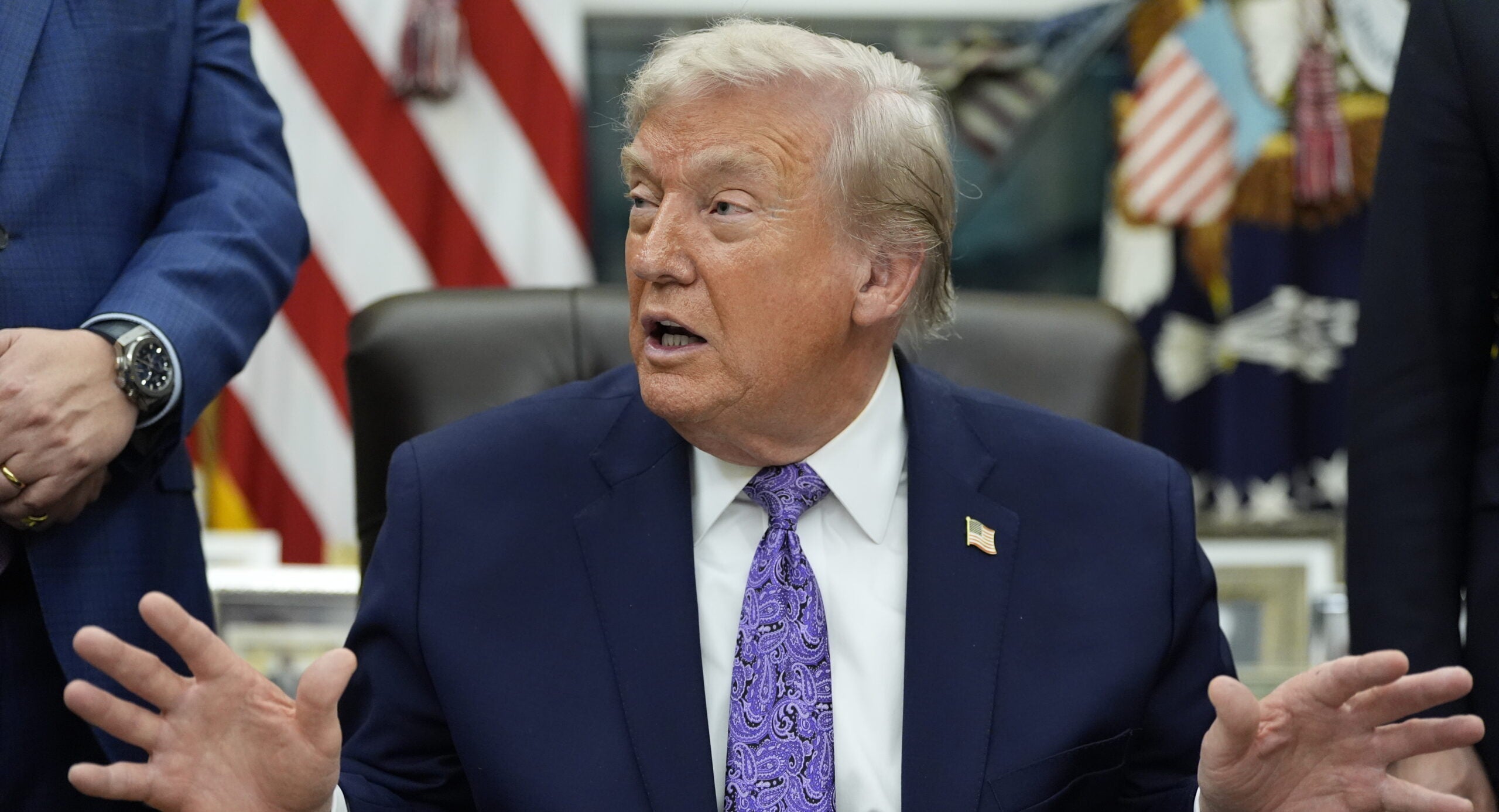
President Donald Trump’s executive order limiting state regulations of AI could be setting up another dispute with the State of Wisconsin, after Gov. Tony Evers warned the president his actions could make “kids and families in Wisconsin less safe.”
On Dec. 11, Trump signed an executive order to ban states from establishing their own regulations of AI, arguing that a patchwork approach to regulating the technology would create a burden to innovation.
“My Administration must act with the Congress to ensure that there is a minimally burdensome national standard — not 50 discordant State ones,” Trump wrote.
News with a little more humanity
WPR’s “Wisconsin Today” newsletter keeps you connected to the state you love without feeling overwhelmed. No paywall. No agenda. No corporate filter.
The order also creates an AI Litigation Task Force to “challenge state AI laws inconsistent with the policy,” and calls for federal funding to be suspended from states that do not comply with the federal government’s AI policies.
In a letter dated the same day as Trump’s order, Evers called on Trump to “abandon any efforts to preempt, punish, or undermine states, including Wisconsin, that have worked to enact reasonable, common-sense policies relating to artificial intelligence.”
Evers argued that AI offers potential benefits and harms alike, and could especially harm children. He pointed to state laws passed by the GOP-held state Legislature, and signed by him, that he described as “safeguards for specific problematic uses of AI.”
Those include a law requiring political ads to disclose if they use AI-generated content, adding AI-generated content to Wisconsin’s existing laws against child exploitation material and making it a felony to share “deepfaked” nude images without the subject’s consent.
“To be clear: if you, your administration, or Congressional Republicans make any attempt to preempt state laws like Wisconsin’s that create basic, common-sense AI safeguards, you will be making kids and families in Wisconsin less safe from dangerous and malicious misuses of AI,” Evers wrote.
The Trump administration has called for the U.S. to be a leader in the AI industry, and argues in its order that state-by-state regulation impinges on interstate commerce.
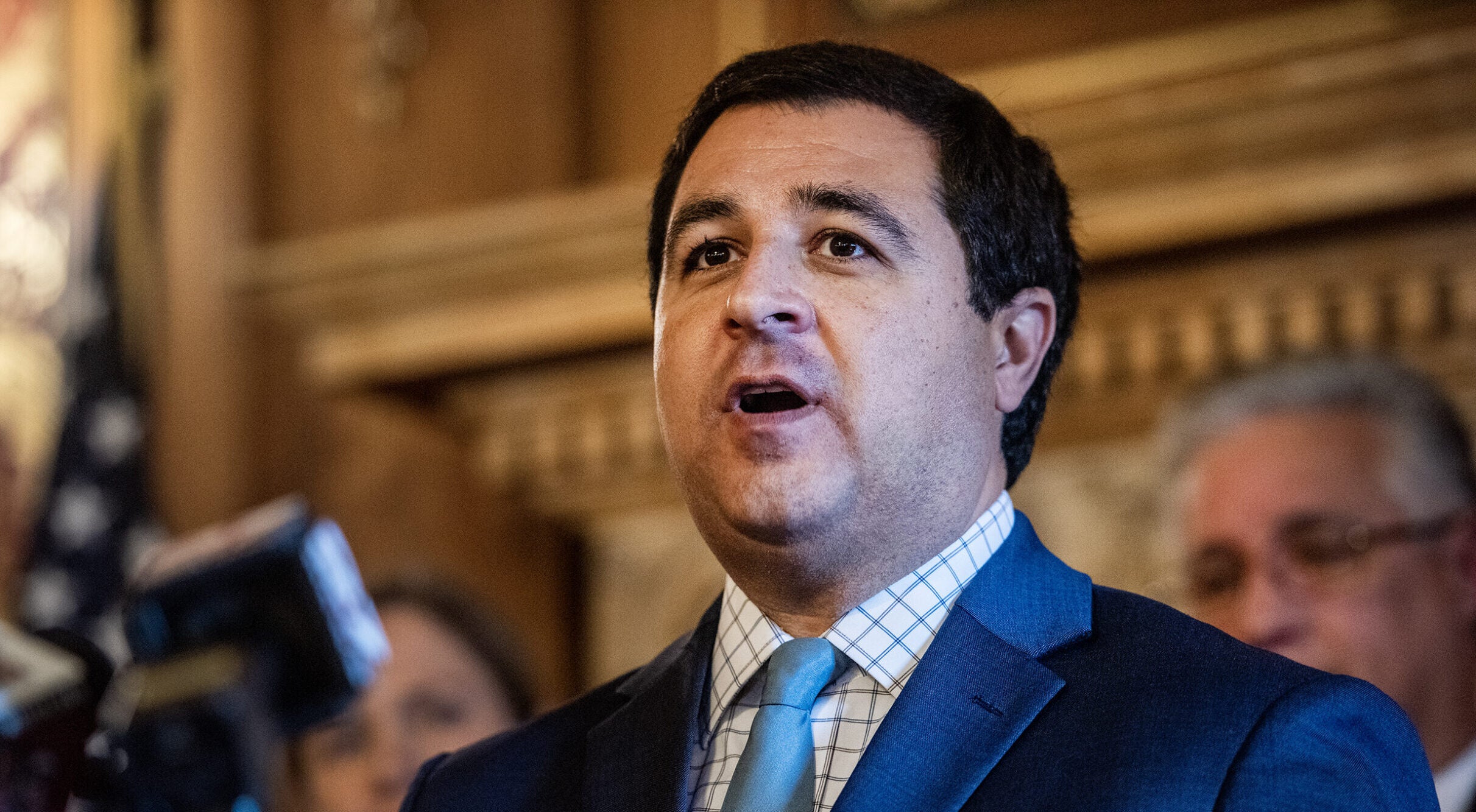
Asked by WPR whether the Wisconsin Department of Justice would challenge the order, Attorney General Josh Kaul said: “We’ll see what happens.”
“The president can’t unilaterally prevent states from enacting laws. That’s not how our system of government works,” Kaul said. “It’s important that AI innovation occurs and that it develops, but we can’t do it in a way where it’s just a big giveaway to billionaires in Silicon Valley, and it’s done without concern for how AI is going to protect Wisconsinites.”
“We would really benefit if the President would spend a little less time listening to Phantom of the Opera and maybe check out the Terminator movies,” Kaul added.
Earlier this year, a legislative committee published a report exploring how to regulate AI at the state level. It called for highly targeted AI regulation, avoiding “the potential overreach” of comprehensive AI legislation and expanded education and workforce training about effectively using AI.
Sandra Bradley directs the Tech Exploration Lab at the University of Wisconsin-Madison School of Business. She said that most projects in her lab engage with, or are directly impacted by AI, and that there’s a delicate balance between its opportunities and its risks.
But, she said, leaving all policy regulation at the federal level could concentrate power.
“If we have the right kind of regulation, I think it’s going to give us good guardrails,” she said. “If we have regulation that’s controlled by maybe too few, then I think that could run the risk of putting the power in the hands of too few.”
Bradley argued states and smaller businesses should have a seat at the table when it comes to unlocking AI’s potential.
“I feel like those (national) frameworks kind of favor scale over what actually works in the real world,” she said. “States in general, I think they’re the ones who are actually doing the stuff.”

Wisconsin Public Radio, © Copyright 2026, Board of Regents of the University of Wisconsin System and Wisconsin Educational Communications Board.