Several Republican legislators say they want to close a “gap” in the state’s sex offender registry law they contend leaves communities in the dark about the whereabouts of convicted offenders who are homeless.
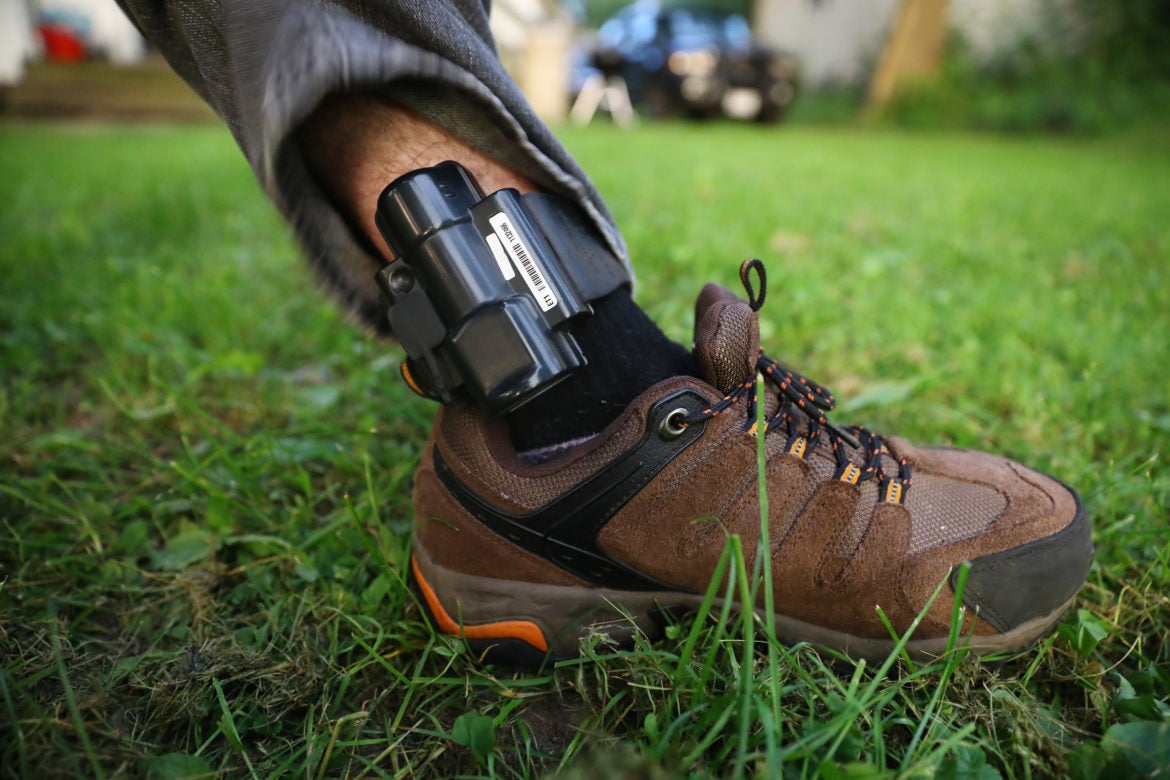
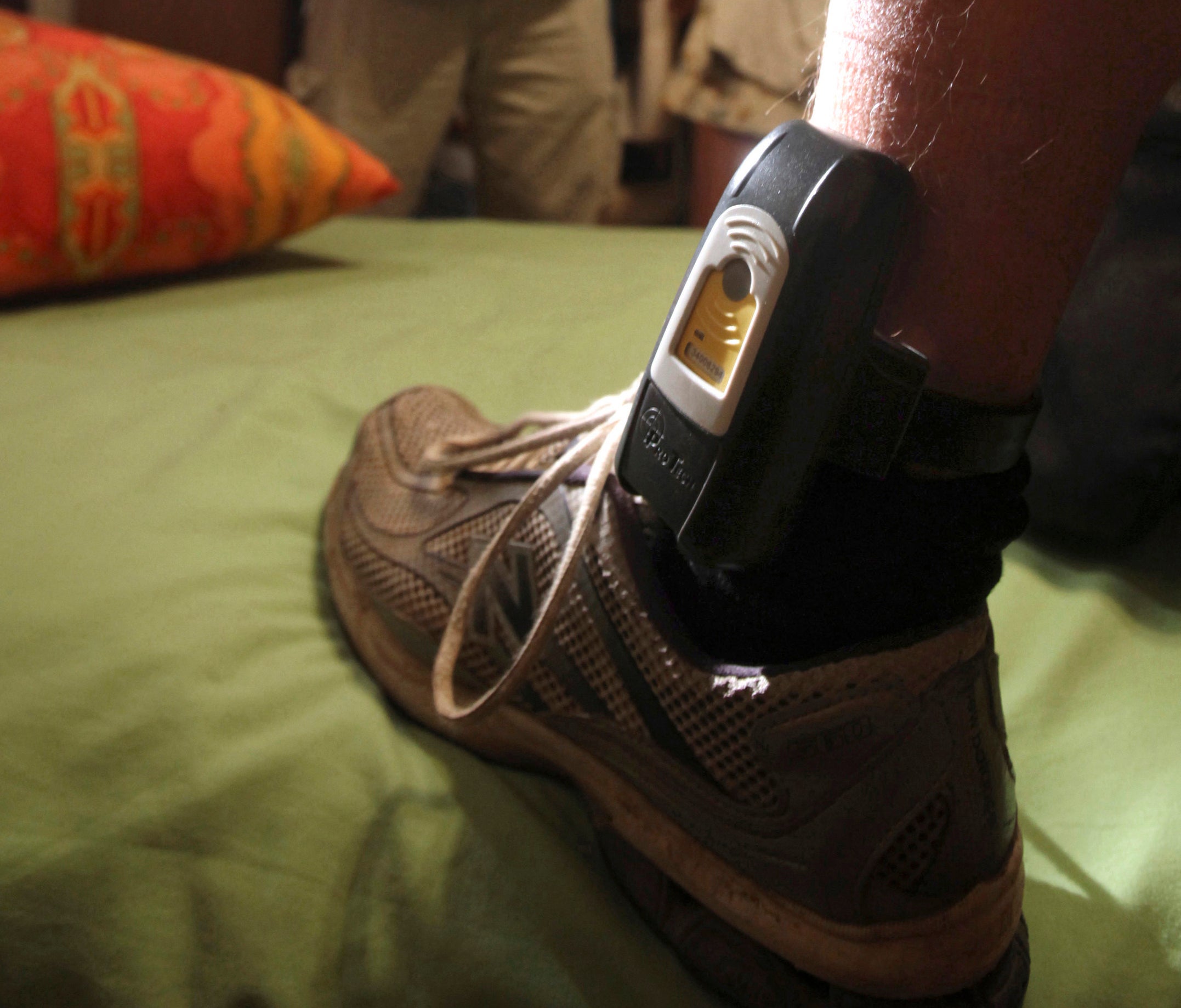
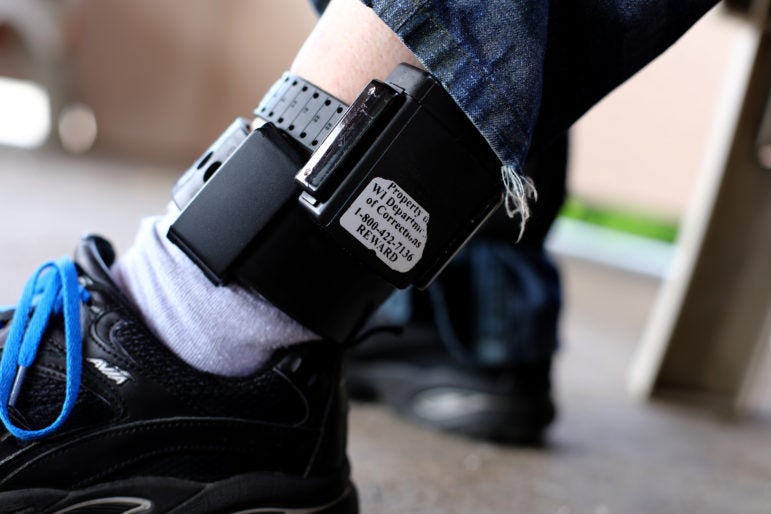
The bill would require any registered sex offender in Wisconsin to wear a GPS ankle monitor unless they can provide a permanent address. In prepared remarks before the Senate Committee on Judiciary and Public Safety, state Sen. Cory Tomczyk, R-Mosinee, said it would create a uniform standard.
“(The bill) is not meant to demonize a portion of the population just because they are homeless,” Maxey said. “This bill is meant to keep Wisconsin’s communities safe.”
Tomczyk claimed 16 percent of “Wisconsin’s homeless are sex offenders,” citing an April study by the Cicero Institute think tank, whose founder has criticized the “Homeless Industrial Complex.” Tomczyk said if the group’s estimate is correct, that means homeless sex offenders “are out and about in communities with no accountability” to the Wisconsin Department of Corrections, and other residents don’t know where they are.
“This bill ensures that housing status does not create a blind spot in the registry system,” Tomczyk said. “GPS monitoring provides a practical way to maintain accountability and oversight when a fixed address is unavailable.”
Longtime Milwaukee defense attorney Jonathan LaVoy told WPR the legislation “infuriates me, quite frankly.” He said local governments have ordinances on where registered sex offenders can and can’t live, “therefore, there are a lot of people that are homeless, not by choice, but by circumstance.”
“The government makes it very difficult for sexual offenders to have stable residences, putting many of them into a homeless population,” LaVoy said. “And now we’re saying that those same people, because they can’t find a home, are going to have to wear an ankle monitor. I think it’s inappropriate and not good for Wisconsin.”
News with a little more humanity
WPR’s “Wisconsin Today” newsletter keeps you connected to the state you love without feeling overwhelmed. No paywall. No agenda. No corporate filter.
Wisconsin’s lifetime sex offender GPS monitoring requirement is being challenged in court
As the Republican bill moves through the Legislature, another aspect of Wisconsin’s sex offender registry law that requires repeat offenders to wear GPS monitors for life is being challenged in federal court.
Since 2007, repeat sex offenders in Wisconsin have been required to wear GPS ankle bracelets for the rest of their lives, with an option to petition the state to have the devices removed after 20 years. In 2016, the 7th U.S. Circuit Court of Appeals upheld the law, stating it did not violate an offender’s Fourth Amendment rights under the U.S. Constitution.
In 2017, former Republican Attorney General Brad Schimel issued a legal opinion that expanded the pool of offenders covered by Wisconsin’s lifetime monitoring law. He said “multiple convictions imposed at the same time” qualified as “separate occasions” under the statute.
That spurred a federal lawsuit filed by a group of registered sex offenders in 2019. One of them said he was required to wear the monitor for life after completing his sentence because of Schimel’s opinion. A federal district court judge upheld the law and the case is before the 7th Circuit again.
In 2023, the Wisconsin Supreme Court rejected Schimel’s interpretation in a ruling in favor of a man challenging the lifetime GPS requirement, stating it didn’t apply to him despite his multiple convictions of possessing child pornography stemming from a single court hearing.
Wisconsin lawmakers responded that year by changing the sex offender registry law with bipartisan legislation, signed by Democratic Gov. Tony Evers, specifying that sex offenders with multiple convictions in the same court proceeding are indeed subject to the lifetime monitoring requirement.

Wisconsin Public Radio, © Copyright 2026, Board of Regents of the University of Wisconsin System and Wisconsin Educational Communications Board.