
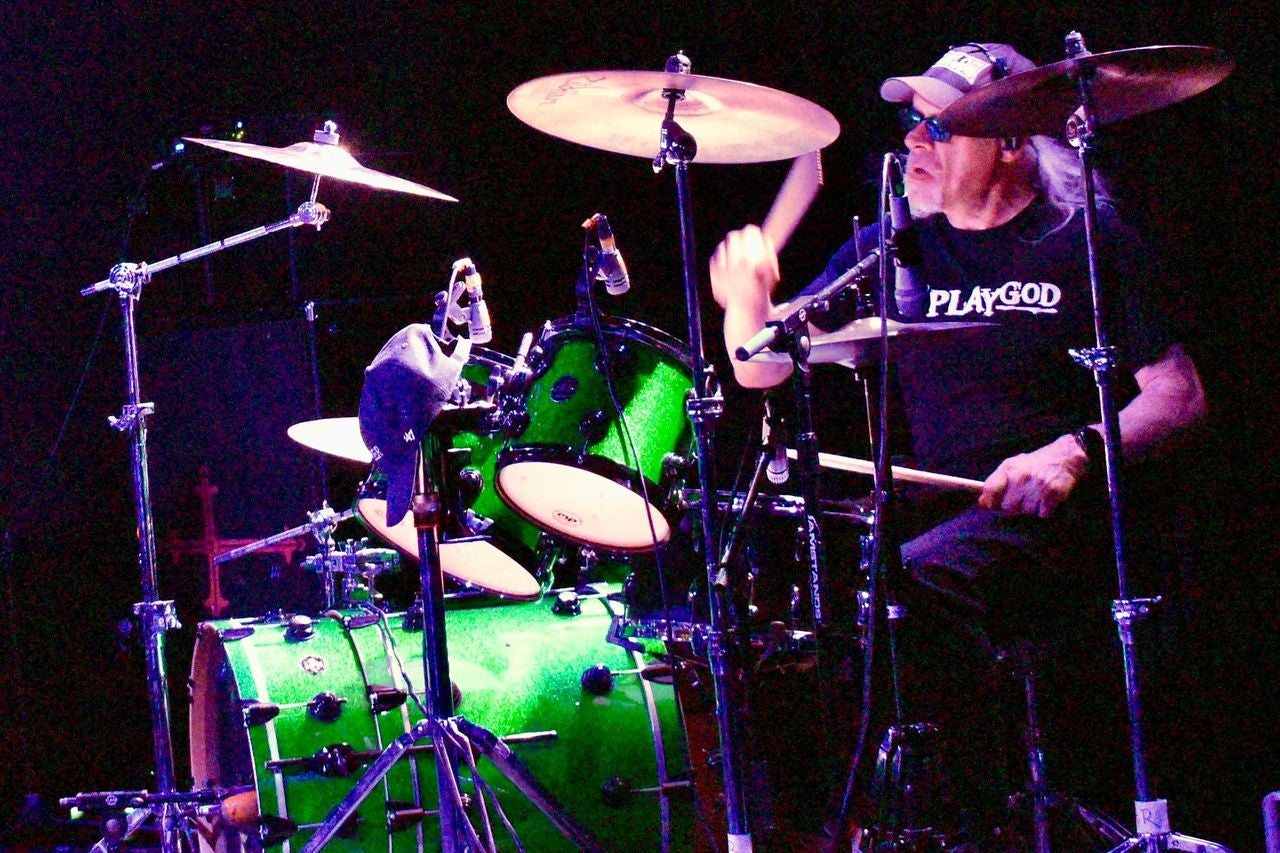
Sitting on stage behind his drum kit, Wisconsin musician Rökker was clicking off the beat for the next song on the set list.
Then his heart stopped beating.
His next memory: “When I woke up in the hospital, the doctor said, ‘Well, you died on stage playing drums with your band Ironplow, but there were people there who wouldn’t let you go.’”
News with a little more humanity
WPR’s “Wisconsin Today” newsletter keeps you connected to the state you love without feeling overwhelmed. No paywall. No agenda. No corporate filter.
Rökker told “Wisconsin Today” that he lived to share the experience because audience members took immediate action, providing CPR and calling 911.
He’s marking the one-year anniversary of his cardiac arrest with another show at the same club. And he’s using his experience to encourage people to get trained in CPR and to advocate for more access to emergency defibrillators at performance venues.
Rush to the stage
Rökker’s onstage heart attack was captured on video at the Gamma Ray bar in downtown Madison on Dec. 26, 2024. He said he wants people to see the video.
“One of the reasons that I released the video is because, like, a drowning, people maybe think there’s this big splashing and I’m drowning and yelling. No, they fall right under the waves.”
He said it’s similar in a case of sudden cardiac arrest.
“You just slump over and you’re gone,” he said. “And really, you’re really gone, unless there are other people there who won’t let you go.”
That’s what happened on stage. The staff and audience kicked off a series of actions that saved Rökker’s life.
The first step was cardiopulmonary resuscitation, or CPR. That’s a regular rhythm of chest compressions.
“The chain of survival means that you need CPR immediately to keep oxygen kind of flowing,” Rökker said.
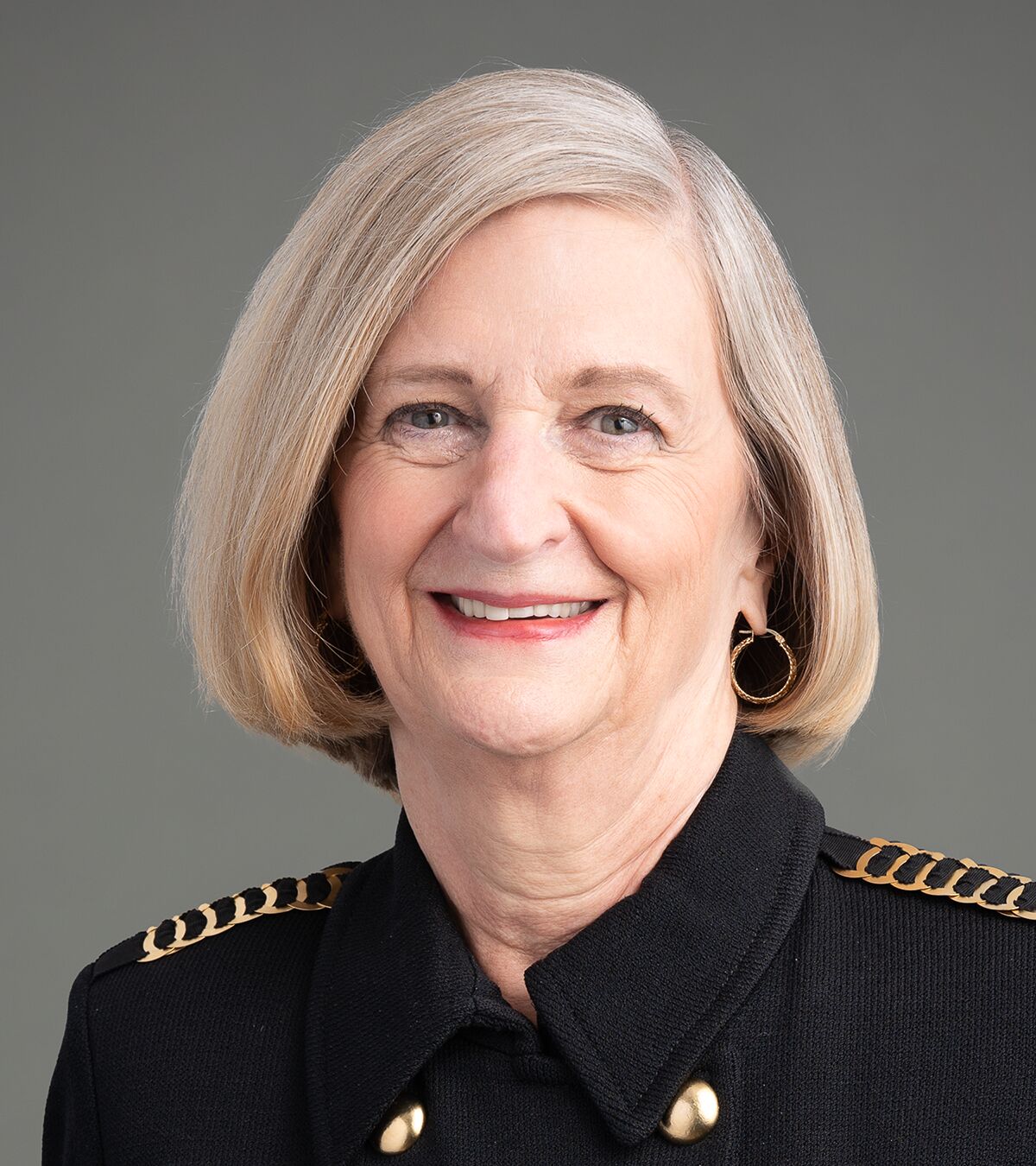
Dr. Maryl Johnson is a UW Health cardiologist who provided care for Rökker after the emergency. She said CPR can make the difference between life and death.
“EMS can get there pretty rapidly,” she said. “But the minimum amount of time that people can be without blood flow to the brain, blood flow to the other organs, that’s critical to their good survival.”
Like Rökker, Johnson encourages people to get trained in CPR. She said the training has changed over the years, with a focus on chest compressions, and without the rescue breaths that people might remember from older classes.
Shock to the heart
But CPR was just part of Rökker’s survival story. The Madison Fire Department arrived in six minutes and supplied a shock from a defibrillator.
“The magic number is seven minutes,” Rökker said. “After seven minutes of CPR without shock, things start to look bad.”
That’s why Rökker is working to get more performance venues to install automated external defibrillators, or AEDs. He said many larger clubs have them but it can be a stretch for smaller venues like Gamma Ray.
Johnson said AED devices are lifesavers, and they’re relatively easy to use.
“The sooner we get back normal, consistent heart rhythm, the better blood flow we get to the brain and the other body organs, and the more likely there is a successful outcome for the patient,” she said.
Don’t stop rocking
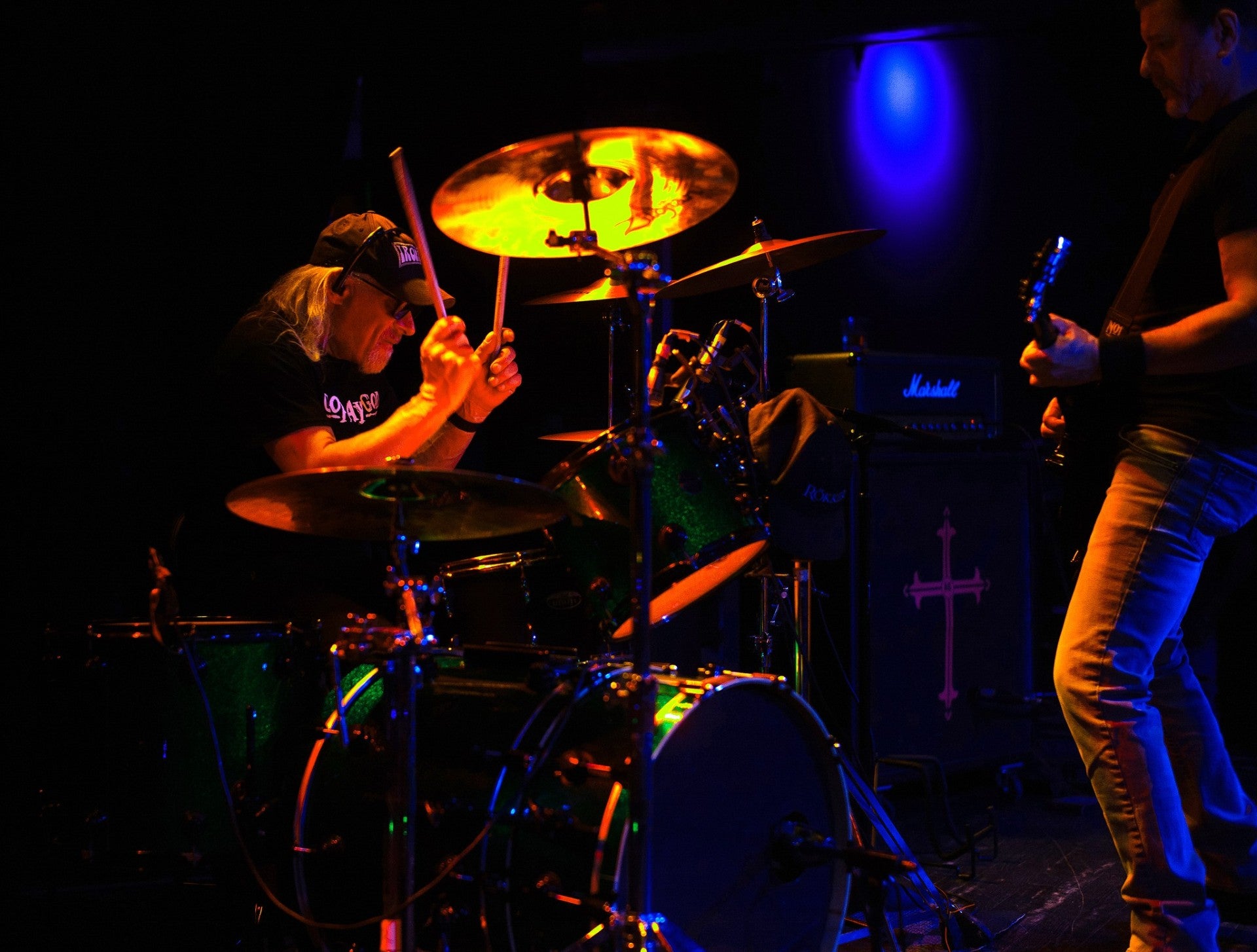
Rökker’s survival story continued after CPR and the defibrillator, with emergency treatment, a defibrillator implant and long-term health and diet changes. He’s been working toward the anniversary show, after his first return to performing in September.
“I thought it was just an incredible journey to get back to that point,” he said, “because I really looked at being able to play my drums as, hey, where are you in your health journey?”
He said playing a set with his band has been a good target for his health and endurance. “Because, hey, let’s face it, I use big sticks.”