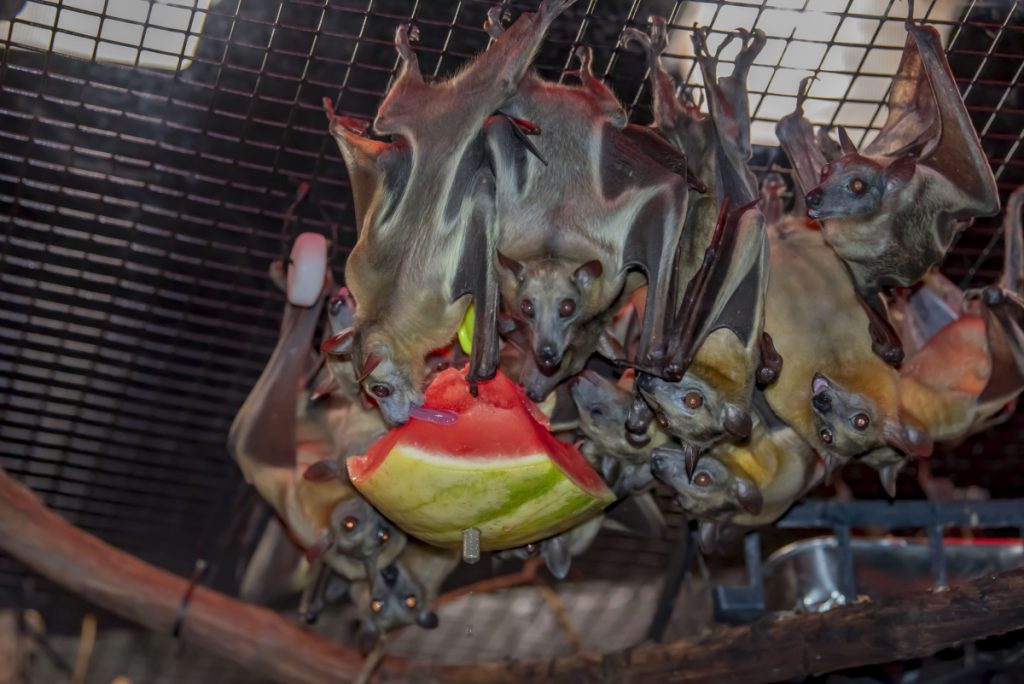
The Milwaukee County Zoo recently announced plans to close its small mammals building by the end of the year. Leadership said the building is not fit to meet modern animal care standards.
“The small mammal building is definitely outdated,” said Amos Morris, the zoo’s executive director. “The animals in that building are not able to do normal behaviors that those animals should do.”
Zoo staff have already begun relocating the small creatures to other accredited zoos. They don’t have a closing date set yet.
News with a little more humanity
WPR’s “Wisconsin Today” newsletter keeps you connected to the state you love without feeling overwhelmed. No paywall. No agenda. No corporate filter.
The building’s residents include lemurs, sloths, mongooses, porcupines, tamarins, armadillos and fruit bats. The vampire bats have already been relocated, and zoo staff have found new homes for their sloths and lemurs as well, Morris said.
“Bats should be able to fly, and they should have a space which allows them to exercise that behavior,” Morris said. “Our prehensile-tailed porcupine should be able to climb in a tree and hang from a limb.”
Bringing the building to modern zoological standards would be cost-prohibitive, he added.
“The money we would put into it, would not bring it to that standard. So that’s how we decided that this building should be closed,” Morris said.
The closure is part of the zoo’s new strategic plan, announced in April, to modernize animal habitats and enrich visitor experience. Zoo staff spent the past few years identifying areas of the zoo that need improvement, Morris said.
“We want to provide a space that meets the behavioral needs of the animals that we’re exhibiting there,” Morris said. “Jaguars, they should be able to swim in the water because they live on the river’s edge.”
The strategic plan does not have a budget attached. It sets a goal of working toward creating the projects to come over the next five to 10 years.
New animal habitats will be built to offer visitors behind-the-scenes looks at other animals, Morris said. For example, he said their new penguin exhibit allows people to get “nose to beak” with the birds via a glass underwater viewing panel.
Staff are also factoring in the animals’ privacy into their habitat design by giving them different locations in the exhibit to move through.
“Part of that exhibit design is to build in choices for the animals,” Morris said.
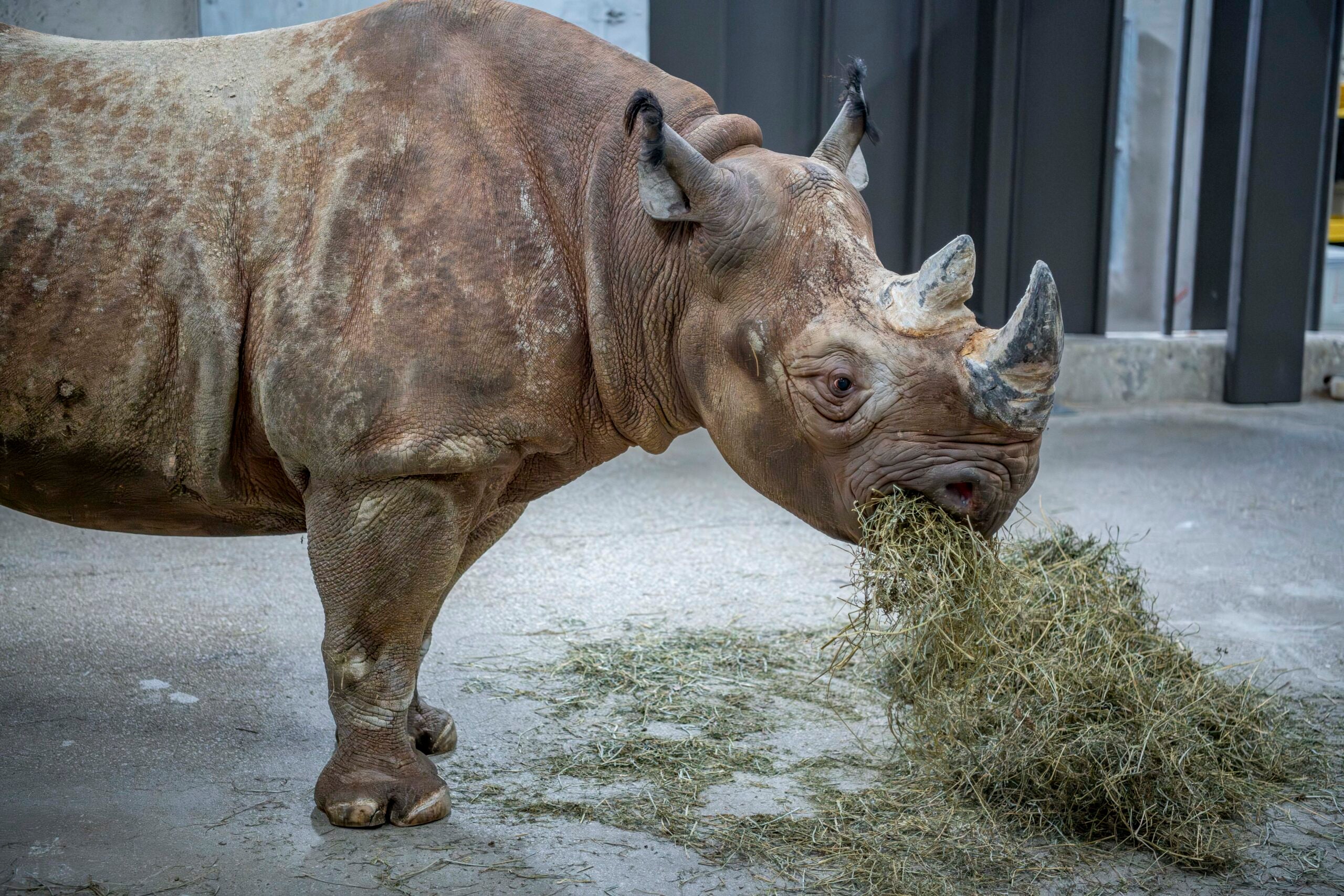
The zoo’s strategic plan includes three new habitats, “Latin American Tropics,” “Primates of the World,” and “The Wild North.” And as early as this fall, rhinos will be returning to the zoo for the first time in about four years, Morris said.

Wisconsin Public Radio, © Copyright 2026, Board of Regents of the University of Wisconsin System and Wisconsin Educational Communications Board.