Next month, the NBA All-Star game will showcase a long-awaited matchup between American and international NBA players.
Under the theme US vs. World, a team of international players and two teams of U.S. players will compete in a round-robin tournament. Milwaukee Bucks favorite Giannis Antetokounmpo, hailing from Greece, will play for the international team.
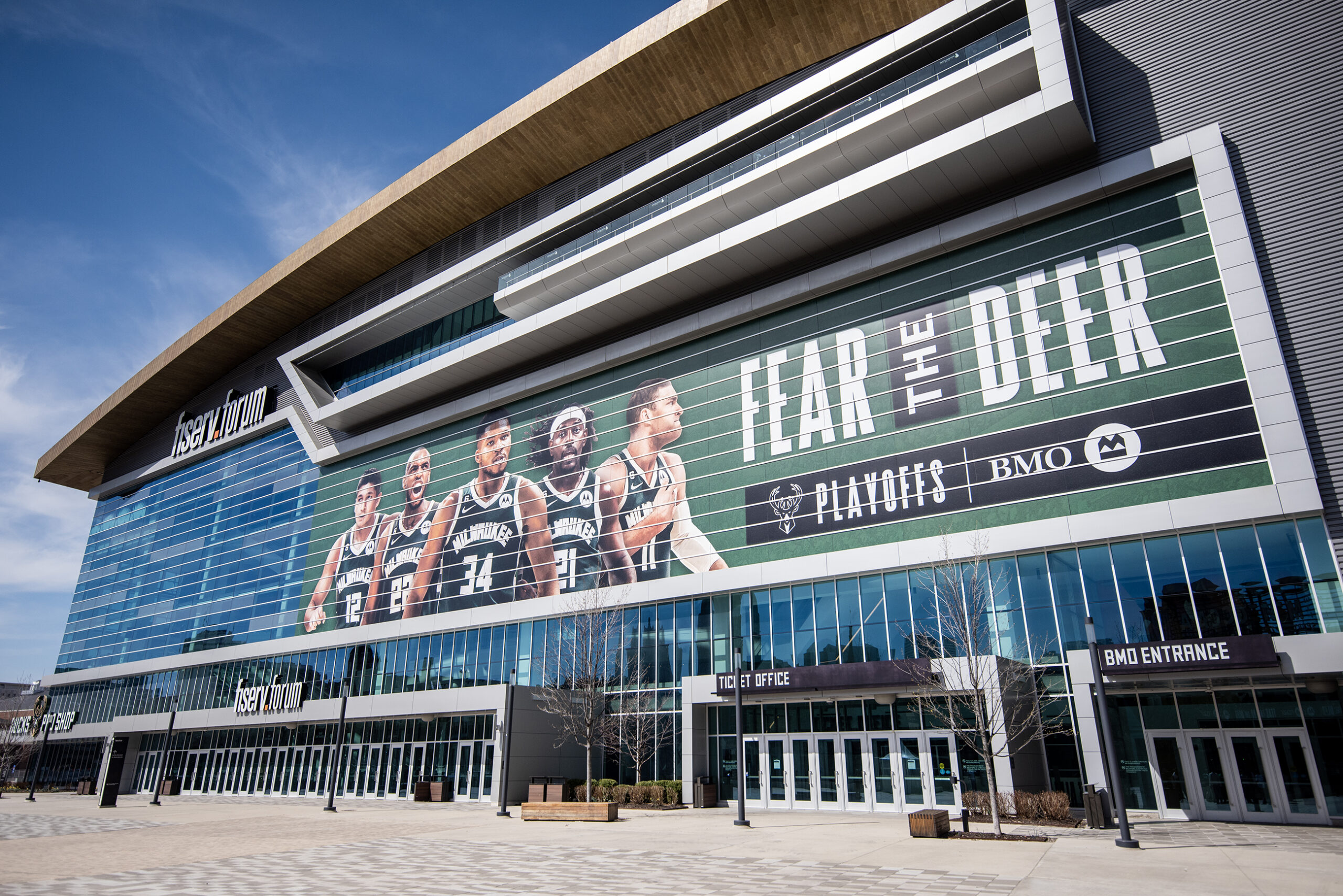
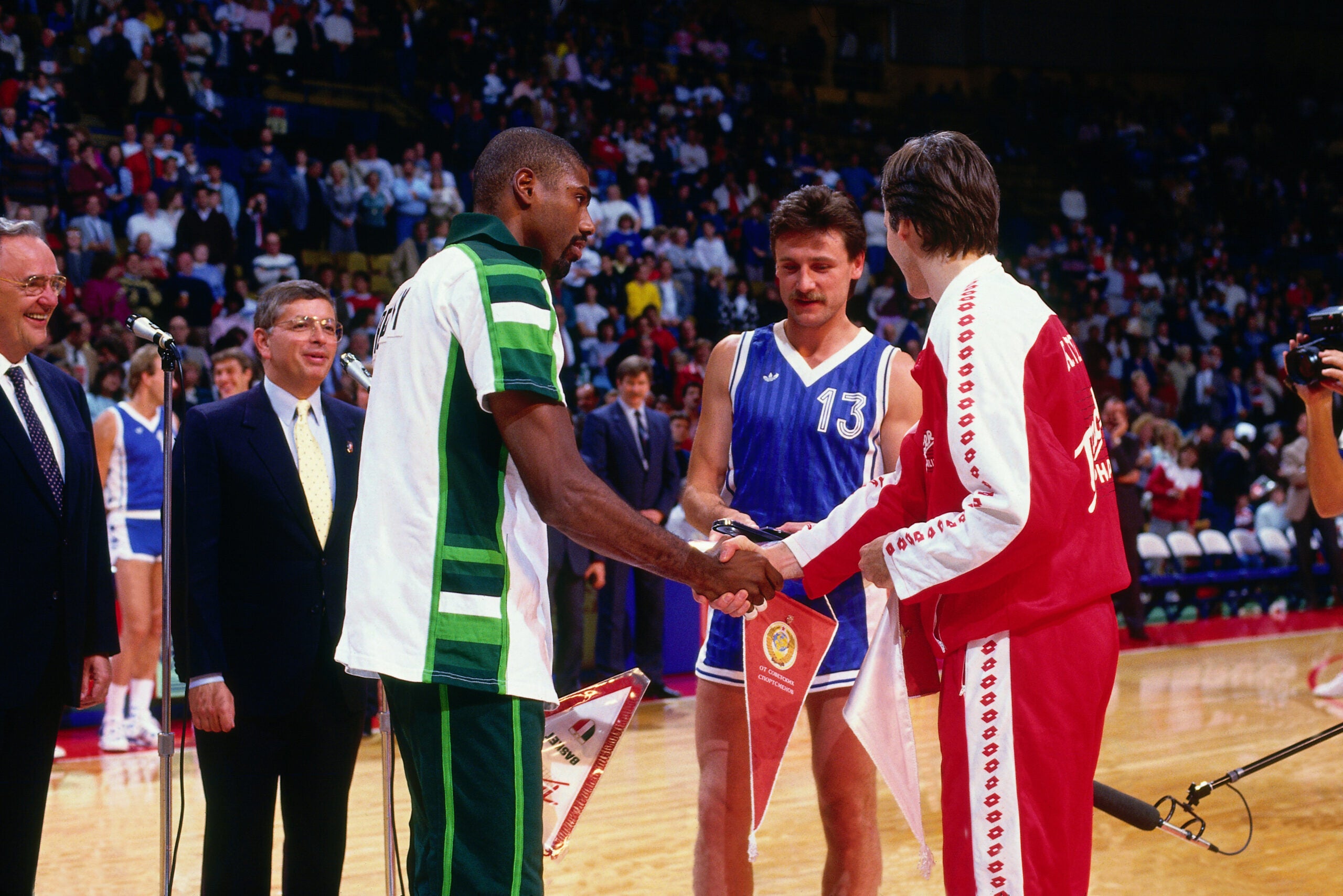
With the spotlight on the wealth of the league’s talented international players, the Bucks organization is releasing a new documentary podcast series about a 1987 tournament in Milwaukee between the Bucks, the former Soviet Union national team and the Tracer Milan club team.
News with a little more humanity
WPR’s “Wisconsin Today” newsletter keeps you connected to the state you love without feeling overwhelmed. No paywall. No agenda. No corporate filter.
The new four-part podcast about the 1987 McDonald’s Open is called “Bucks vs. the World” and is narrated by Wisconsin comedian Charlie Berens.
The Bucks won the championship against the Soviets in a blowout, 127-100. According to the podcast, the game changed international basketball forever.
“Back in 1987, there were so few international players in the NBA,” said Monis Khan, producer and writer of “Bucks vs. the World.” “International players had to choose between playing for their national team or playing in the NBA, and they could not do both.”
Today, the NBA is full of the best players from all over the world. Khan told WPR’s “Wisconsin Today” the story of why that was able to happen in the first place.
This interview has been edited for brevity and clarity.
Kate Archer Kent: What was international basketball like before the 1987 McDonald’s Open in Milwaukee?
Monis Khan: There was this sham notion of amateurism and a complete independence between the NBA’s talent and the talent that played in the (International Basketball Federation, or FIBA) World Cup and the Olympics. That was because only NBA players at the time were defined as being professionals —whereas you could be making $800,000 playing for Real Madrid and be one of the world’s best players from Yugoslavia playing in the Euroleague, but you would still be considered an amateur.
The FIBA Secretary General, Boris Stanković, is the main character of our story. He’s the protagonist who changed the world of basketball forever because of his insistence on lowering those barriers and opening the doors so the NBA players could play in the Olympics. And this Olympic talent — your Euroleague players and international players — could finally come to the NBA.
KAK: What was Stanković trying to accomplish and what does he mean to the sport of basketball all over the world?
MK: I think all of us who love Giannis Antetokounmpo, Luka Dončić, even Canadian national Shai Gilgeous-Alexander — we owe a debt of gratitude to Boris Stanković
Stanković said, “Why are we limiting ourselves to these structures that are not serving international basketball players?” He wanted the great players of the era in Yugoslavia, Russia, Italy and Spain to get better. They would never reach their true potential as players and athletes if they didn’t play against the best players … and those players were in the NBA.
KAK: Why the Bucks? And why have Milwaukee host the tournament?
MK: The NBA didn’t want to roll out the best team — the Celtics or the Lakers — to just embarrass the FIBA opponent. And they also didn’t want to roll out the worst team. They wanted a really respectable, great team. Milwaukee had gone seven straight seasons winning 50 games each season, a streak that they haven’t even been able to accomplish in the Giannis Antetokounmpo era. To this point, they had reached three Eastern Conference Finals in the five seasons before the tournament.
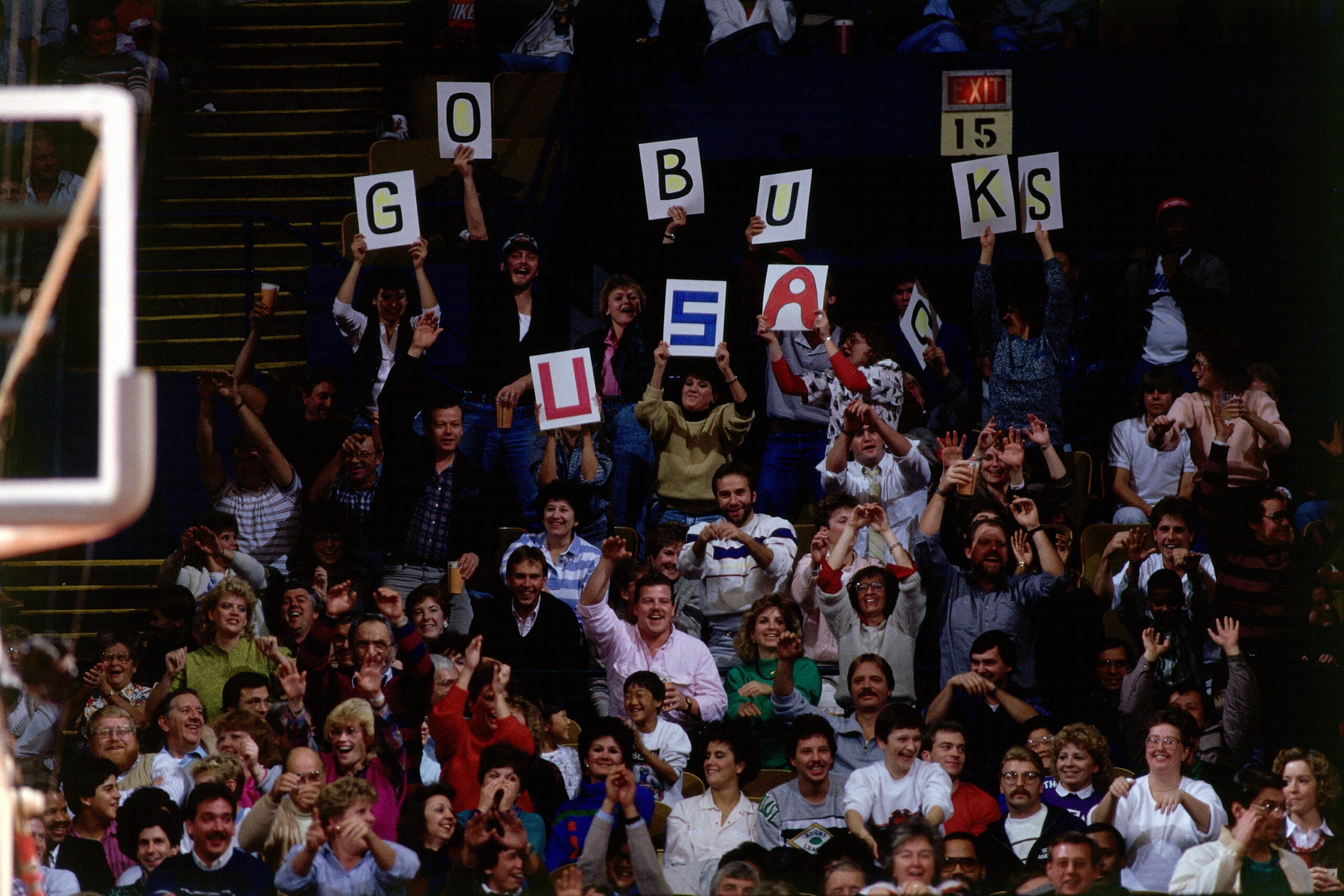
The second component is they wanted to put it in a city where everyone in town was focused on that event. If you put it in too big of a city, there’s too much going on, it might get lost. Milwaukee was a place where the fans loved the team. The NBA knew they would show up. They wanted one thing, and that was a packed house. It was going to send a message to all of the FIBA representatives that were finally coming to an NBA game for the first time and it was going to send a message to fans on TV: International basketball is something that is in demand.
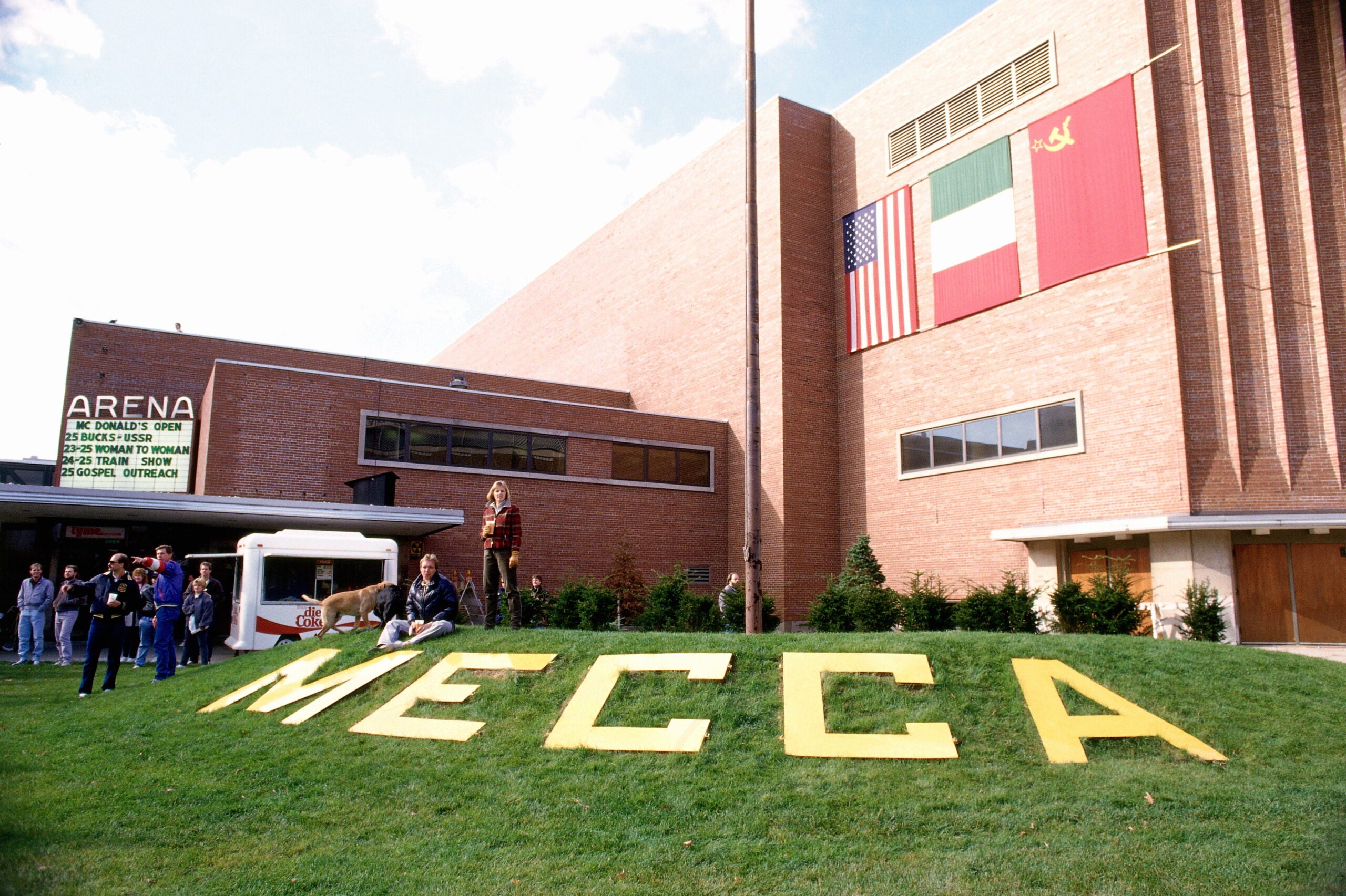
KAK: This is also happening in the midst of the Cold War. The U.S. and the former Soviet Union, facing off against one another, vying for dominance in multiple sports. How did these teams stack up against one another at the time?
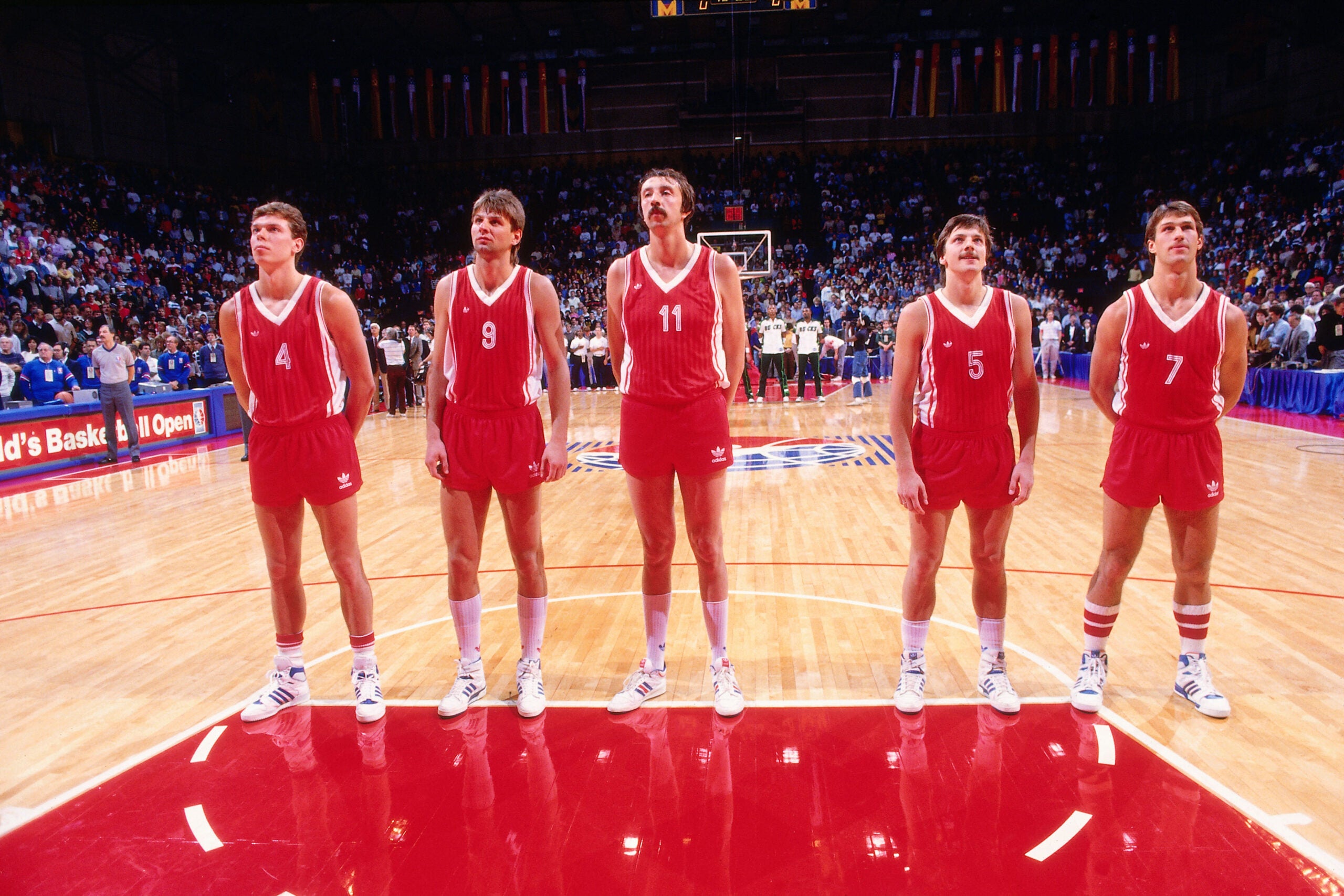
MK: The Soviet Union in 1987 could easily hold claim to being the best national team in the world. In fact, they proved that at the Olympics in 1988.
There was an unknown element. They couldn’t scout one another. In the Soviet Union, you couldn’t even watch (professional) basketball. They had to smuggle in tapes of the NBA. These teams did not have a lot of information on one another.
Unfortunately, the Bucks lost their best player. All-NBA talent, Defensive Player of the Year, All-Defensive Player, Hall-of-Famer Sydney Moncrief went down with a knee injury for the season days before the tournament. There was a lot at stake and no one knew what was going to happen on the court.
KAK: We’ll be watching the winter Olympics soon. Prior to ’88, NBA players were not allowed to compete at the summer Olympics. That changed after the McDonald’s Open in ’87. How did that game open that door?
MK: It was really built off of the relationships that Boris Stanković was able to facilitate between David Stern, the legendary commissioner of the NBA; Russ Granick, who spoke to us for the series; and the FIBA honchos of all the different member states, who had a lot of skepticism towards the NBA and felt like they were very threatening. When they came to Milwaukee to watch the game, to speak with one another, and they saw the mutual respect and admiration, their hearts softened and they were able to align with Boris Stanković’s vision for the future of basketball.
That laid the groundwork to have the vote in 1989 that affirmed Boris’ vision of allowing NBA talent to play in the Olympics. No longer would the great (international) players have to choose between their national team and playing in the NBA. Even for today’s great players — Giannis told me before the season that if he had to choose between the NBA and playing for Greece, it would be an impossible choice.
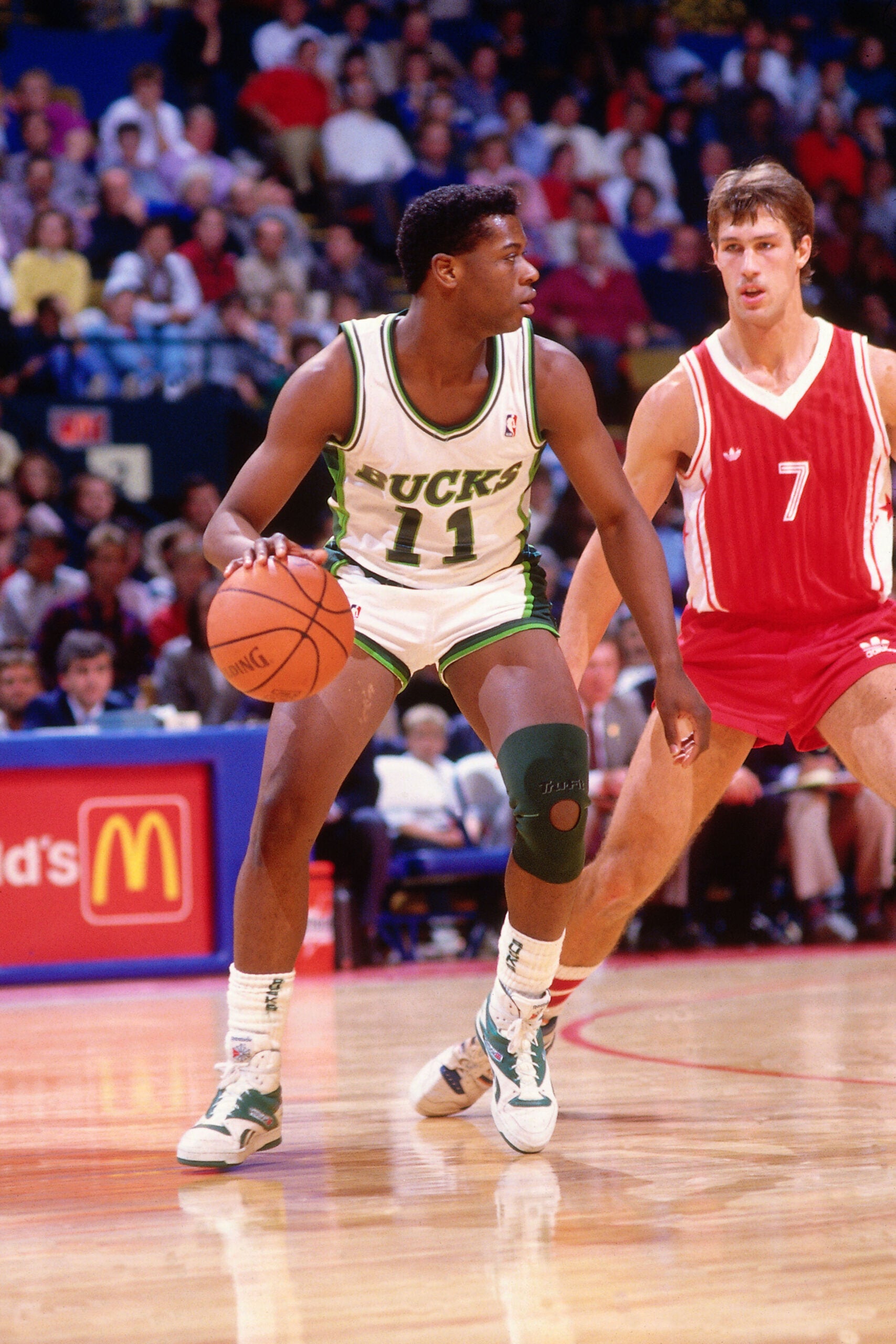
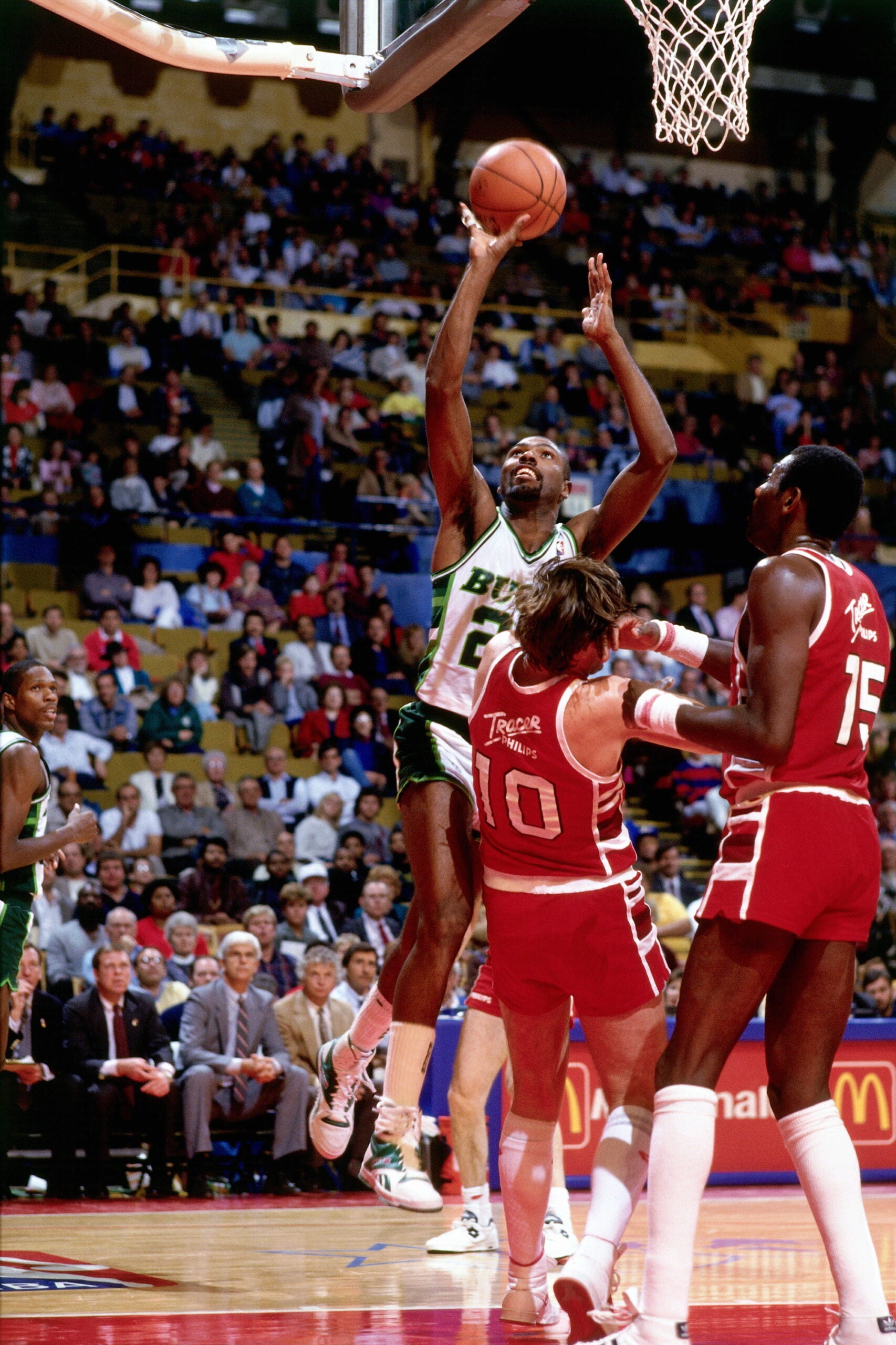
Photos from the the 1987 McDonald’s Open in Milwaukee, Wisconsin. Left: Keith Smith #11 of the Milwaukee Bucks dribbles against Sarunas Marciulionis #7 of the Soviet Union. Right: Paul Pressey #25 shoots a jumpshot in the lane against the Tracers from Milan. Photos courtesy of the Milwaukee Bucks. Photo by Andrew D. Bernstein/NBAE
KAK: Giannis has led the Bucks to new heights, including the NBA championship ring in 2021. You make the argument that without this game in ’87, there is no Giannis on the Bucks. Can you talk about how consequential that is to the NBA today?
MK: Boris Stanković refused to hold the world back, just because everyone said, “That’s just the way it is.” His belief in having the best players play against one another, share the stage, be teammates, be opponents to one another — that belief is what changed basketball forever. He put the vote up because he believed in it. In fact, no one agreed with him. No one thought it was possible, but his insistence put that vision for the world out there and eventually built a consensus to follow along. That’s why we owe him a debt of gratitude. The McDonald’s Open was his prototype of what basketball can be. It was a success.
The funny thing is that a few years later, the New York Knicks and the Los Angeles Lakers barely survived games against European teams. The 1991 Los Angeles Lakers, who were coming off an appearance in the NBA Finals against the Boston Celtics, had to have the refs throw them the game to escape in the finals versus a European club team. The talent gap closed very, very quickly.