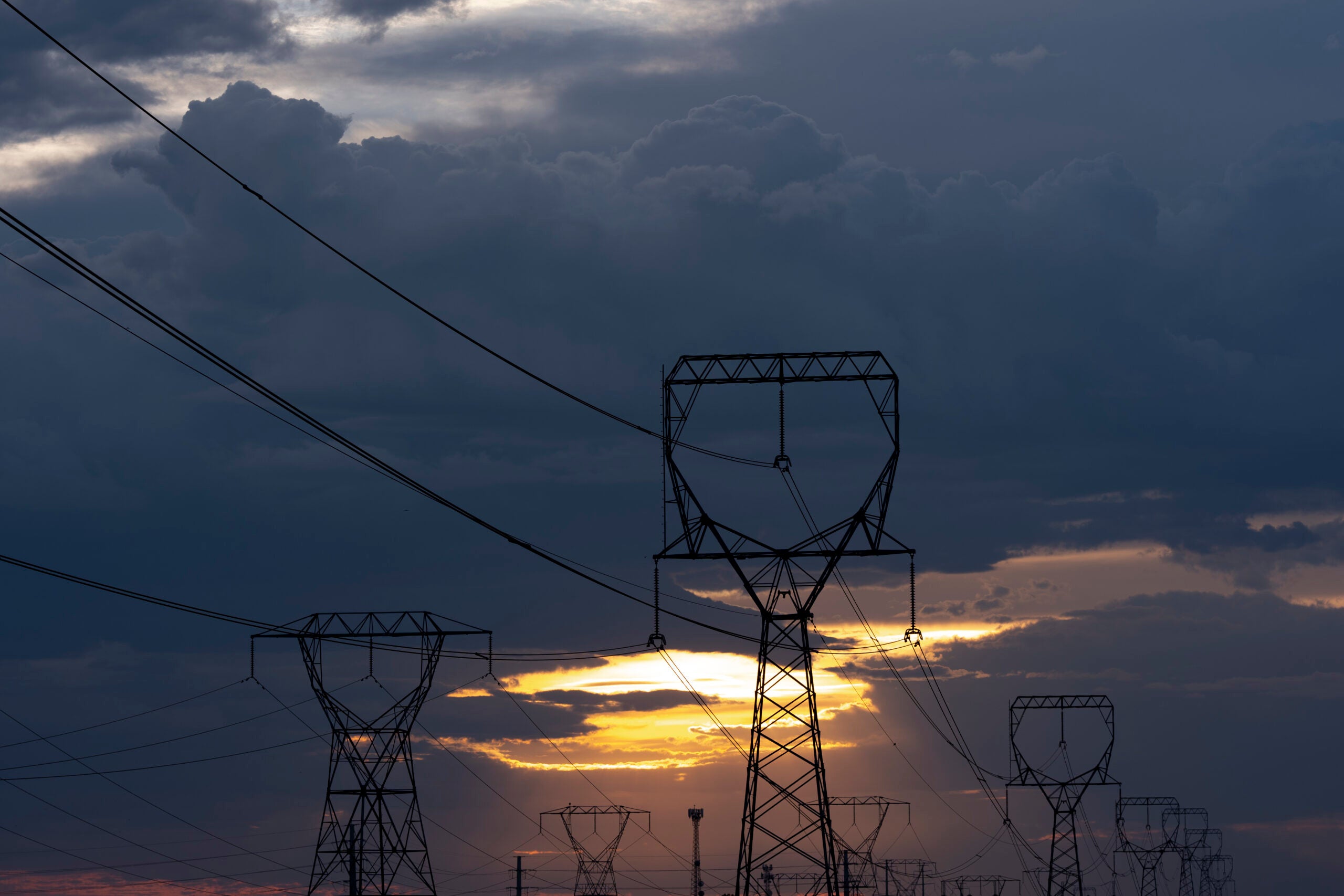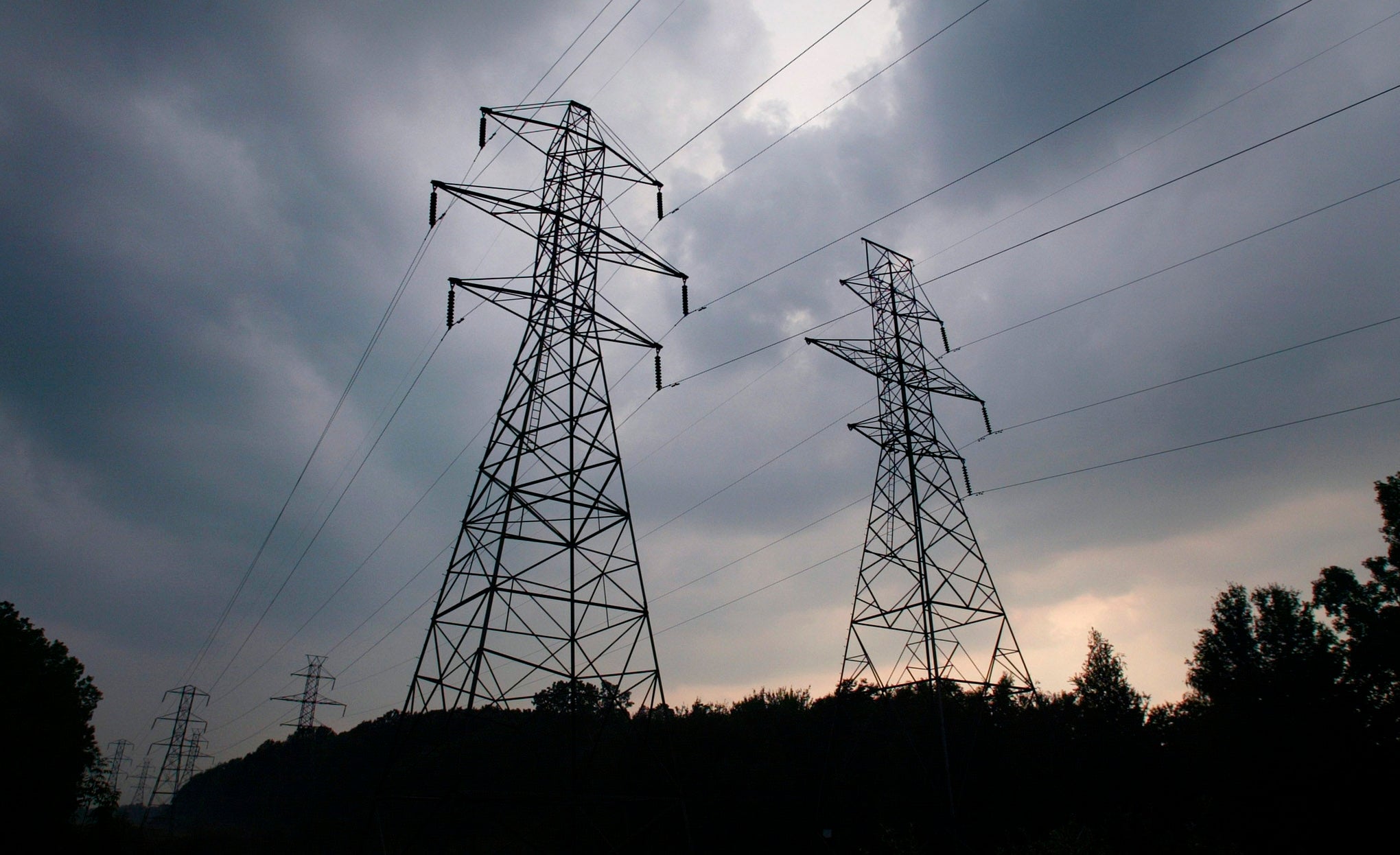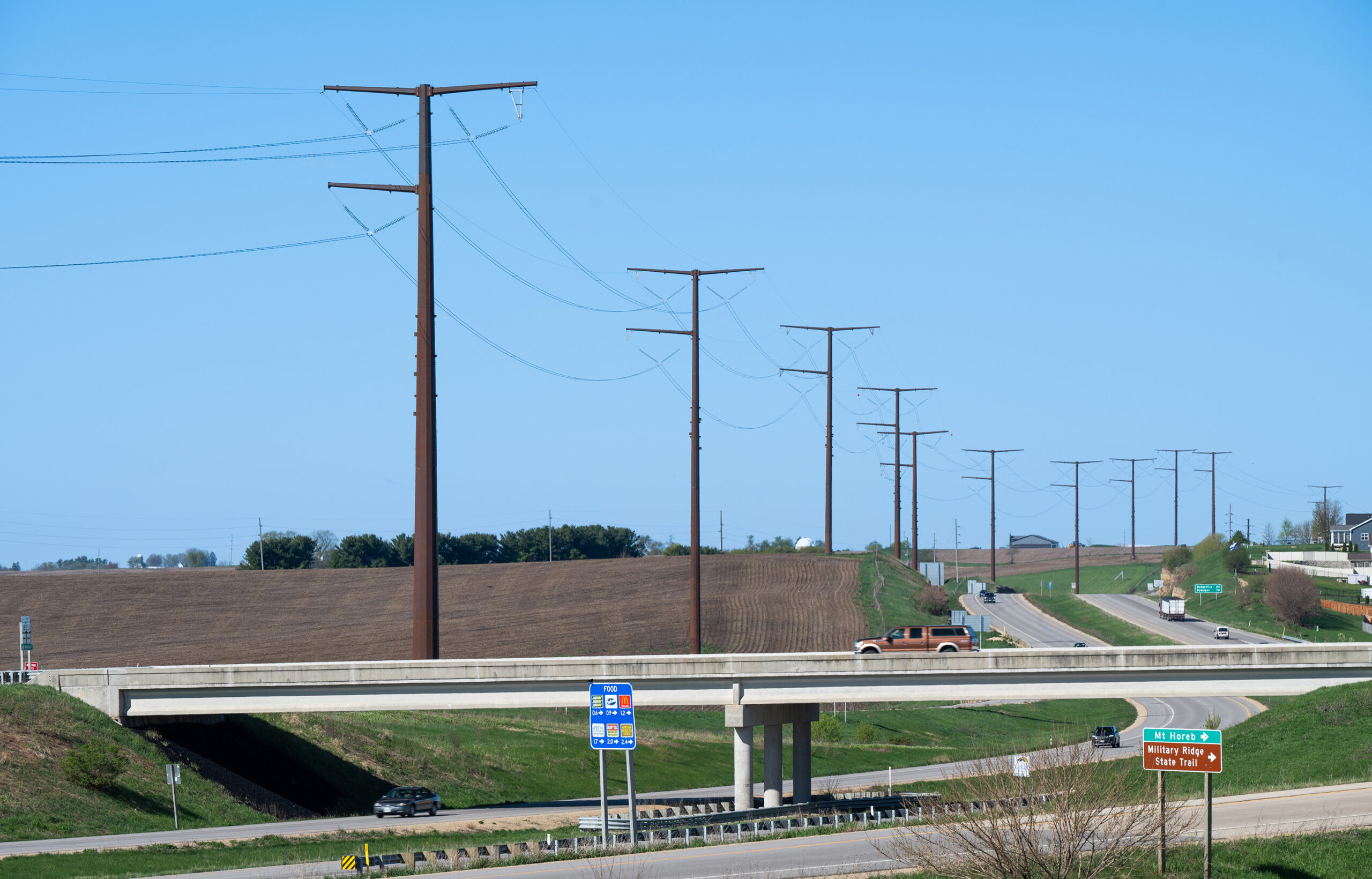
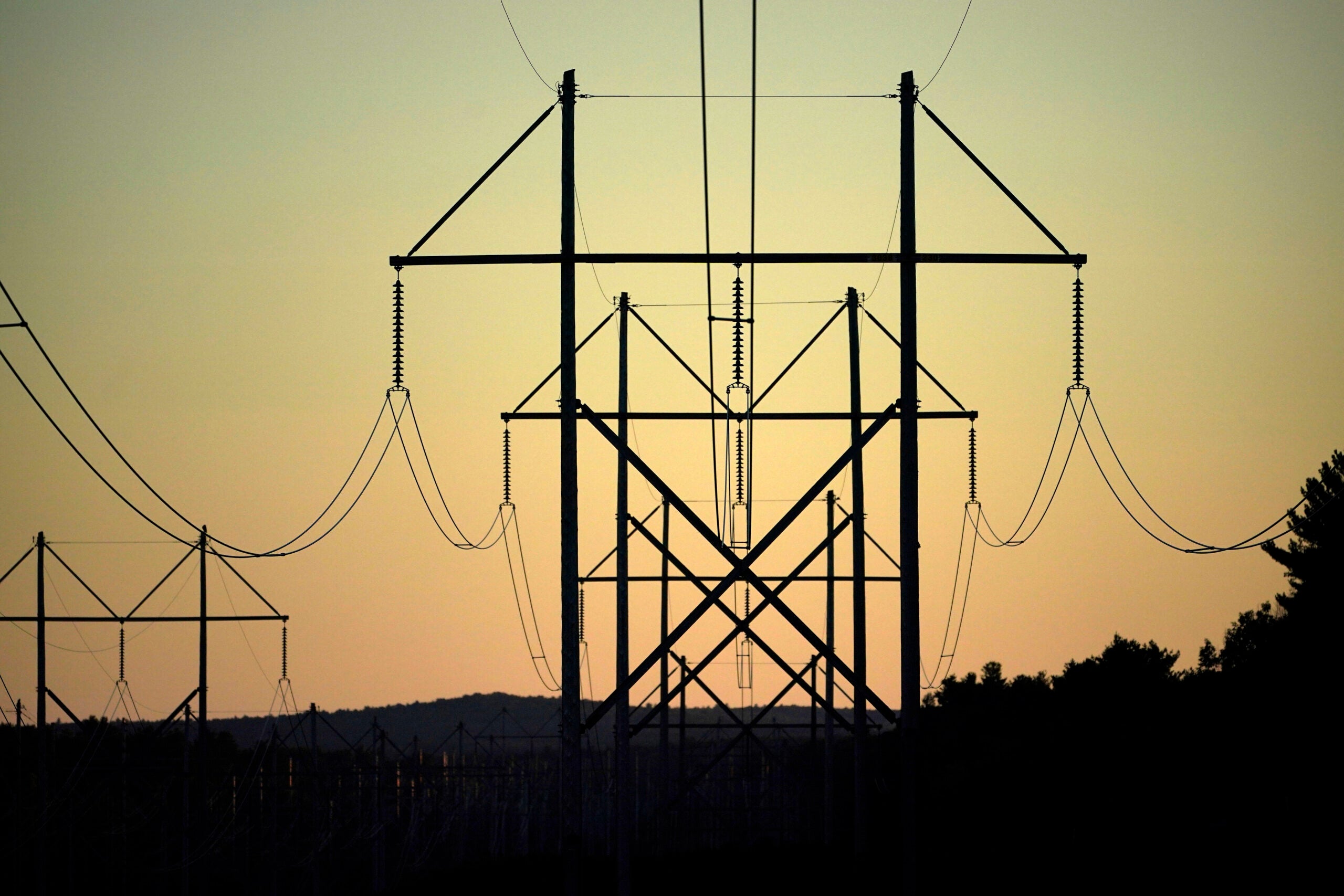
The Midwest electric grid operator selected a pair of out of state companies to build two major transmission line projects in Wisconsin.
Two Wisconsin utilities, American Transmission Co. and Dairyland Power Cooperative, jointly applied for both projects but were not selected. That came after both utilities have pushed for legislation that would give in-state companies the right of first-refusal on power line construction projects.
The Midcontinent Independent System Operator, or MISO, selected Kansas City-based Transource Energy to build the southwestern Wisconsin project and Illinois-based Viridon Midcontinent to build the southeastern Wisconsin project.
News with a little more humanity
WPR’s “Wisconsin Today” newsletter keeps you connected to the state you love without feeling overwhelmed. No paywall. No agenda. No corporate filter.
One of the projects is a roughly 188-mile, 765-kilovolt transmission line located in southwestern Wisconsin, starting in the village of Bell Center and runs to the Illinois border. The other project is a roughly 106-mile, 345-kilovolt transmission line in southeastern Wisconsin.
In a statement, Jeremiah Doner, MISO’s director of cost allocation and competitive transmission, said the selection of Viridon and Transource reflects the grid operator’s “commitment to competitive processes” that “deliver value” to customers.
“These projects will play a critical role in enabling the energy transition while maintaining reliability and providing economic value for decades to come,” Doner stated.
He also said Viridon’s bid stood out for its “strong cost containment measures” and Transource demonstrated a “clear plan for construction and operations.”
The awards to out-of-state companies come after state lawmakers failed to pass the latest version of a controversial right-of-first-refusal bill that would’ve given state utility companies first dibs on building new high-voltage transmission lines. No action has been taken on either the Assembly or Senate versions of the bills since last March.
The legislation’s backers included American Transmission Co., the state’s largest transmission utility, as well as Xcel Energy and Dairyland Cooperative, which each own transmission infrastructure in western Wisconsin.
Opponents included conservative Americans for Prosperity, Clean Wisconsin, the Citizens Utility Board of Wisconsin and the Wisconsin Industrial Energy Group.
Had the legislation passed, Todd Stuart, executive director of the Wisconsin Industrial Energy Group, said American Transmission Co. and Dairyland would have “essentially been given these projects by default.”
“Competition works. It makes you sharpen your pencils,” he said. “The winning bids really showed that the winners had superior cost containment measures trying to keep the cost down.”
American Transmission Co. and Dairyland jointly applied for the southwestern project with GridLiance Heartland and American Transmission Company Illinois.
They submitted the second highest capital cost bid for that project at $1.2 billion, coming in 11 percent under MISO’s $1.4 billion estimate, according to a report from the conservative think tank MacIver Institute. Meanwhile, the winning bid was 30 percent lower than MISO’s estimate at almost $1.01 billion.
For the southeast Wisconsin project, American Transmission Company and Dairyland’s proposal had the highest capital cost of all four bidders at $481 million, while the winning bid offered the lowest capital cost at $349 million, the MacIver Institute reports.
In a statement, American Transmission Co., or ATC, said the company and its partners submitted “highly competitive” proposals for both projects that comply with Wisconsin’s state law.
“ATC will continue to deliver value to both our customers and the communities we serve,” the statement reads. “This outcome does not have an impact on ATC’s significant portfolio of work and capital programs already planned across our system to meet our customers’ needs.”
A Dairyland spokesperson said in a statement that although it wasn’t selected by MISO in these projects, it remains committed to “strengthening the region’s energy future.”
While the controversial transmission bill appears to be dead in the state Legislature this legislative session, Tom Content, executive director of the Citizens Utility Board of Wisconsin, said it could come up again in the next session.
“I certainly wouldn’t be surprised because it was one of the most heavily lobbied bills (last session), and the various utilities had dozens of lobbyists pushing this,” he said. “I wouldn’t be surprised, given that more projects are on the horizon.”

Wisconsin Public Radio, © Copyright 2026, Board of Regents of the University of Wisconsin System and Wisconsin Educational Communications Board.