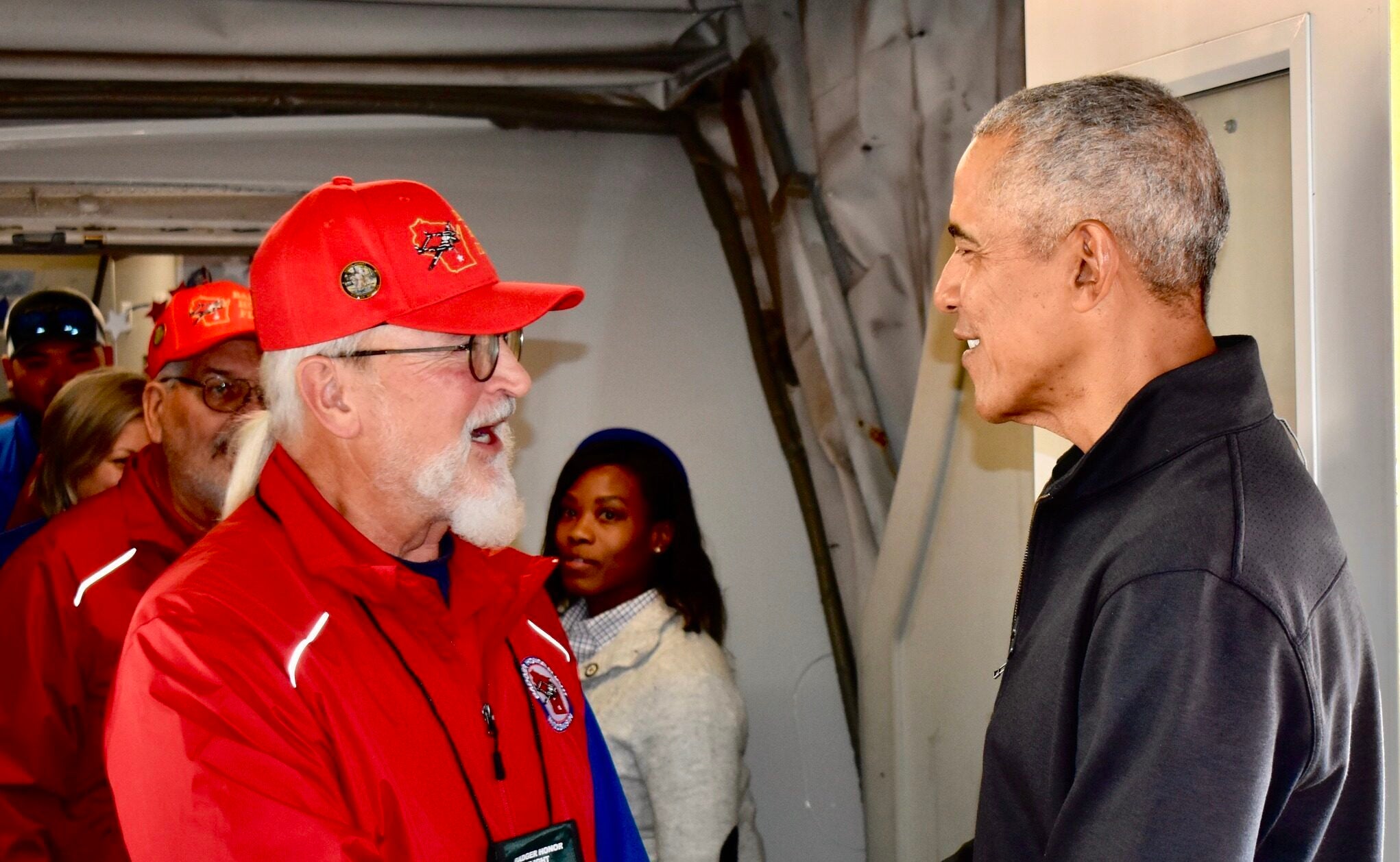
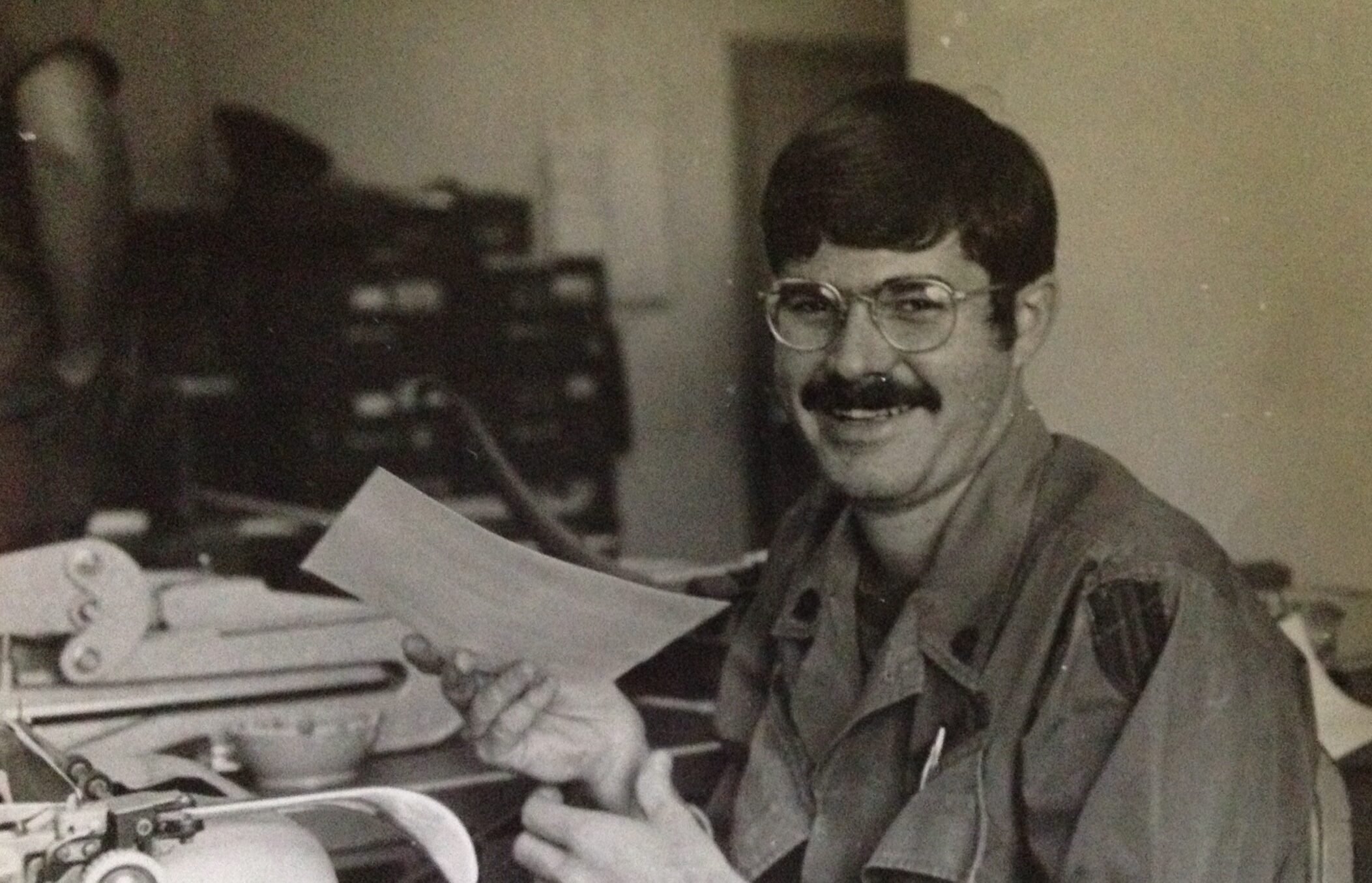
Wisconsin resident Doug Bradley has played basketball with Smokey Robinson and the Miracles, sipped whiskey with influential American jazz pianist Count Basie and shared a joint with Grace Slick and the Jefferson Airplane.
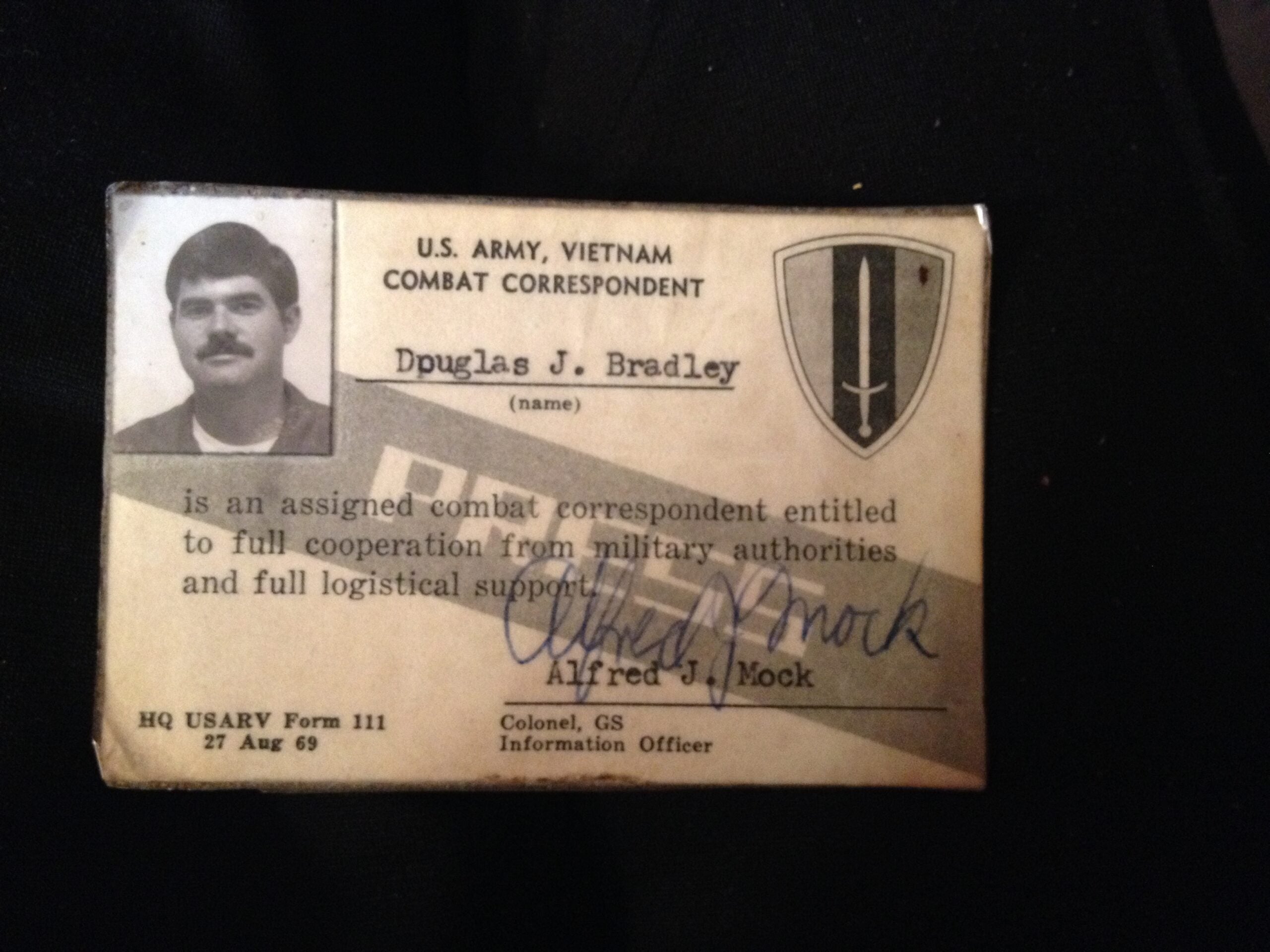
The author, educator and veteran has embraced music his entire life and has written extensively about his Vietnam War and post-Vietnam experiences.
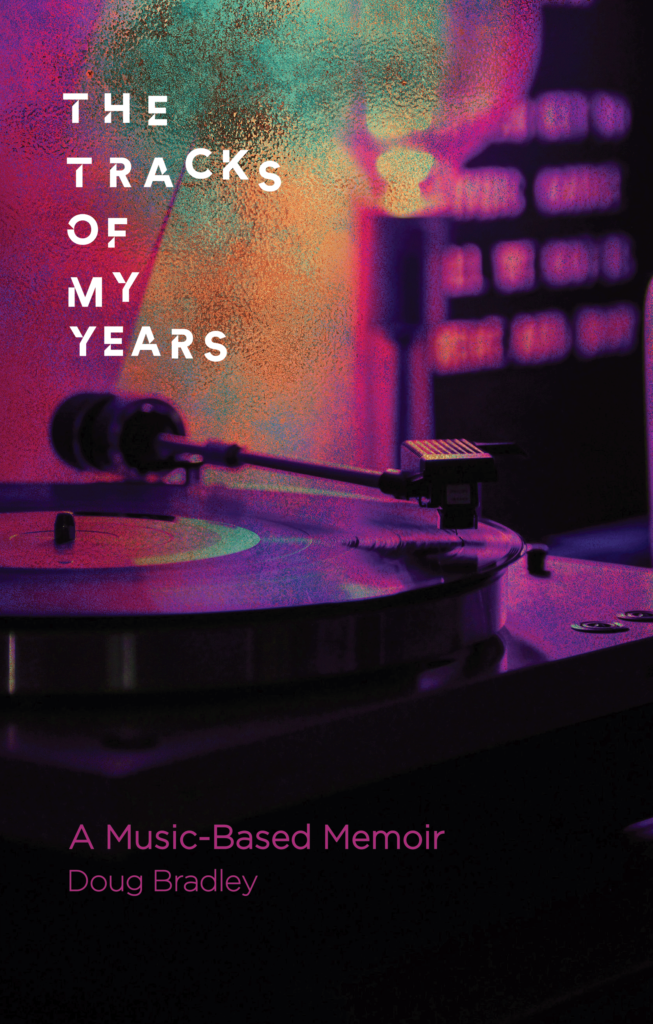
Now, he is out with a new book that combines his personal experiences with music of his generation. “The Tracks of My Years: A Music-Based Memoir” has been called a book for anyone who grew up in post-World War II America.
News with a little more humanity
WPR’s “Wisconsin Today” newsletter keeps you connected to the state you love without feeling overwhelmed. No paywall. No agenda. No corporate filter.
Bradley recently spoke with WPR’s “Wisconsin Today” about the memoir and the importance of music in his life.
The following has been edited for clarity and brevity.
Kate Archer Kent: You allow music to guide your memories like a playlist of important moments in your life. Why is music so central to your life?
Doug Bradley: I think music is one of those most essential senses and elements in our life. We all have our own playlists. Kate, you’ve got yours. Maybe when you were in Louisiana, maybe when you were at Temple (University), maybe when your kids were born.
We all have these songs that trigger those memories. The moments in my life where I had some upheaval like high school, which I talk about in the book, and then Vietnam, which was an upheaval for the nation. Music centered me and allowed me to get through difficult times. And in a way, especially with Vietnam, to heal.
KAK: The title of your memoir is one word removed from the song “Tracks of My Tears,” originally recorded by Smokey Robinson and the Miracles in 1965. You were headed off to college in the fall of 1965. What speaks to you about this song?
DB: I was a first-generation college student. Neither of my folks went to college. In fact, my dad didn’t even graduate from high school. He got a GED in the Army during World War II.
In college, I started to get immersed in music. I was on the social committee. They finally held an elective office for that and I ran with a guy, and our platform was if we were elected we would bring Smokey and the Miracles to the school. And we got it.
In March of 1967, they were at our college and did a marvelous set. They were just wonderful people. As we were leaving the gymnasium, the guys look at the hoops that we had and they said, “Man, I’d like to shoot some hoops.”
So I’m playing basketball with Smokey and the Miracles on a Sunday night in West Virginia. You can’t script that.
KAK: Let’s fast forward to your service in Vietnam and the song “We Gotta Get Out of This Place” by the Animals. There’s this moment in the book when you’re leaving Vietnam and you received your official notice that you’re going home. First of all, can you take a moment and read that passage?
DB: The planes that were leaving were called “freedom birds.” The song became the Vietnam vets’ national anthem: We gotta get out of this place.
I nestled in my “Freedom Bird” headed for San Francisco and the rest of my life. Nobody around to hassle me like the guys on the flight over to Vietnam. Nobody to give me a f—ing order, to tell me to get a haircut or trim my mustache or…suddenly, the plane was lifting off the shimmering Tan Son Nhut tarmac, and we departing GIs burst into a chorus of “We Gotta Get Out of This Place!” Everyone smiled as if the weight of the world had been lifted from their shoulders. Little did we know we’d be carrying the weight of that godforsaken war the rest of our lives.
KAK: What was it like for soldiers to carry the weight of the war around for generations?
DB: In some ways unbearable. We talk about the 58,318 names on the wall, and that’s the ultimate sacrifice. But we lost many more of those veterans since then because they never were welcomed home. They never had the transition. They never had the support they needed. It’s not the parades, it’s just the acceptance, the understanding, the willingness to try and learn.
It’s one thing to fight a war. All soldiers have to deal with that struggle and what war is about, which is about killing the other person, the enemy. But then to carry the moral burden of that for the rest of your life, we shouldn’t do that. We should not do that to the people who we asked to go to war in the name of our country.
KAK: Are you still writing and still reflecting on music?
DB: I always will and I always do. It’s interesting. I keep thinking I’ll do a different stick. And the book I have coming out next year about my mom is different because it’s not music-based. It’s writing-based. I spent 49 days with her at her bedside when she was dying.
Like I said before: You got a soundtrack, the folks in the studio have a soundtrack, the folks listening do. I think music is one of those things that connects us, centers us, identifies us and heals us.
Listen to Doug Bradley share the history behind some songs from this era on WPR’s “The Larry Meiller Show.”