The town of Hurley may seem an unlikely place for the birth of a spy ring, let alone one that would take on Nazis in America in the years before World War II. But it is the birthplace of Leon Lewis — a man who fought against the hate group’s activities, specifically thwarting a pre-war Nazi plot to infiltrate Hollywood.
“There was actually a plan to bring about an armed insurrection,” Lewis’ grandson, Tom Read, said of an even more dangerous plot that his forebear also defused. “The Nazis had detailed floor plans of U.S. military armories on the West Coast.”
News with a little more humanity
WPR’s “Wisconsin Today” newsletter keeps you connected to the state you love without feeling overwhelmed. No paywall. No agenda. No corporate filter.
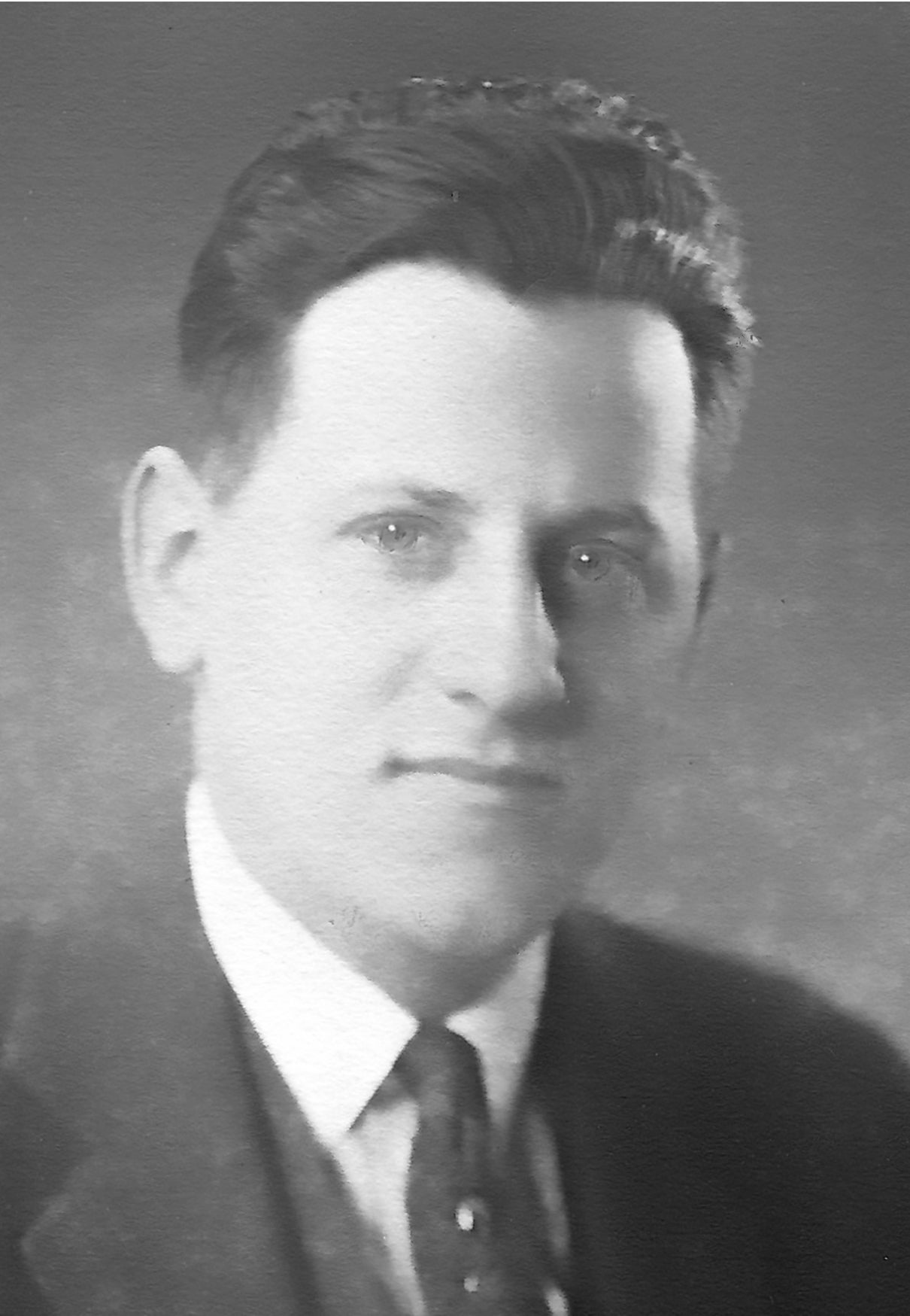
Born in Hurley to German Jewish immigrants in 1888, Lewis attended the University of Wisconsin and the University of Chicago Law School, going on to become the first national secretary of the Anti-Defamation League. He served in Army intelligence in World War I and afterward settled in Los Angeles, again working in Jewish community relations. Alarmed by the rise of Nazism, not just in Germany but also the United States, Lewis recruited undercover fake Nazis to spy on the group, leading to successful prosecutions of Nazi leaders that upset their plans.
Lewis will be honored with a marker and an exhibit opening Wednesday, Aug. 20, at the Iron County Historical Museum in Hurley. Read and Kristin Kolesar of the Iron County Historical Society and Museum spoke with WPR’s Robin Washington on “Morning Edition” about the legacy of the spymaster from Hurley.
This interview has been edited for clarity and brevity.
Robin Washington: Leon Lewis’ fight against Nazis in America was more than just an ideological battle, correct?
Tom Read: That’s true. There were several Nazi plots going on. One was to kidnap and execute several prominent Jews and non-Jews. There was also a plot to kidnap my mother and my aunt. My mom was only 7 years old at that time.
RW: Were you always aware of your grandfather’s exploits growing up?
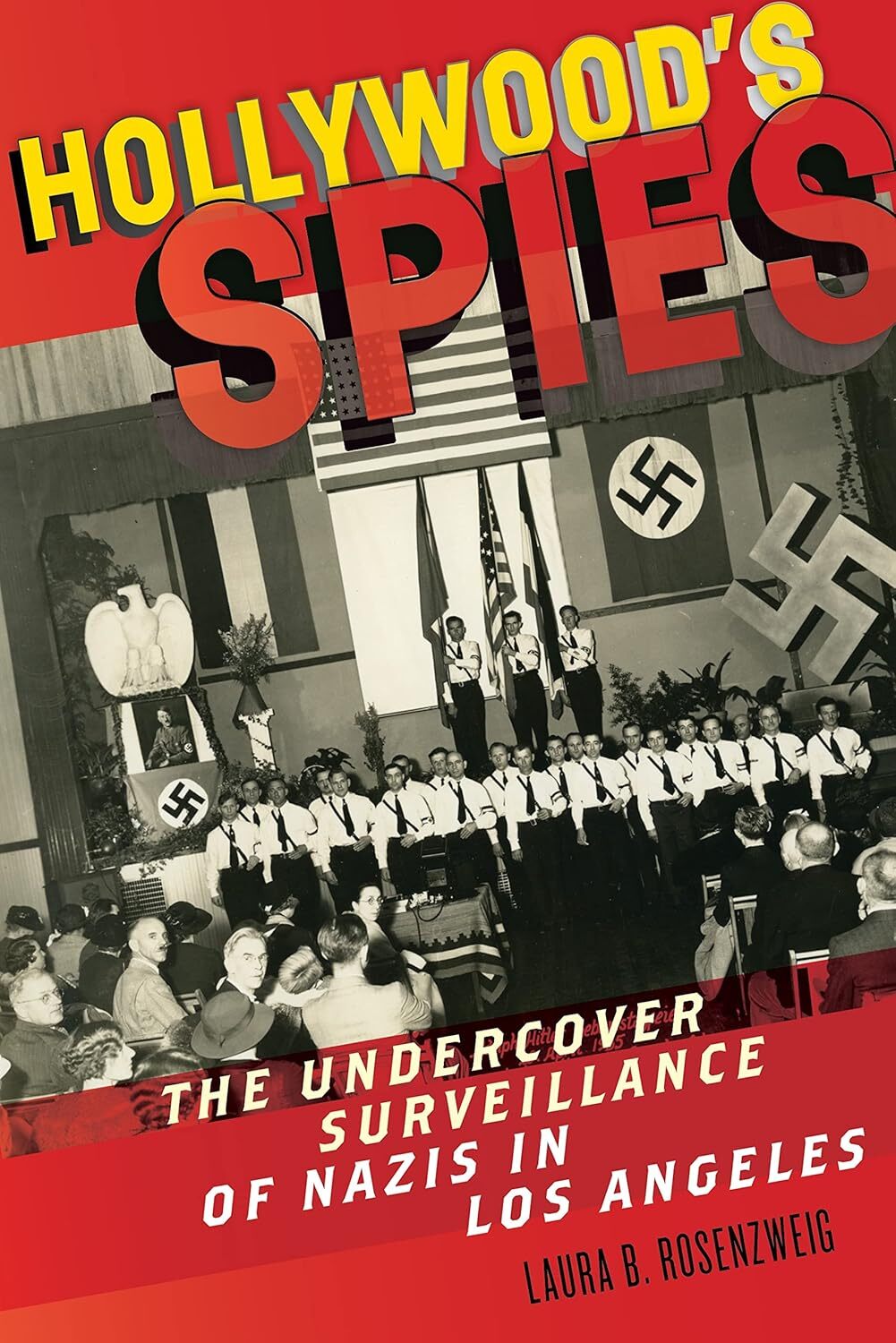
TR: Absolutely not. Our family knew nothing of this until around 2005, when Laura Rosenzweig, who was doing doctoral dissertation on Leon Lewis, looked up my mother in California. And that’s when we found out what Leon Lewis had been doing. Laura’s book “Hollywood’s Spies” came out in 2010.
RW: I imagine one of the points of being a spy or spymaster is that no one is supposed to know about it!
Kristin Kolesar: Right. We don’t even know if his wife knew about it!
RW: Kristin, you grew up in the Hurley area. When did you first hear about him?
KK: I saw his name linked to the Hurley Wikipedia page, so I knew minimal details about him. However, in March of 2024, the Jewish American Society for Historic Preservation contacted the Iron County Museum and offered us a historical marker to honor him.
RW: Not to take anything away from his work or minimize the risk, but is it accurate to call his group a spy ring? They were all on the home front and they could live otherwise normal lives. It’s not quite the same as trying to navigate behind enemy lines.
TR: No, it’s not the same as going into Nazi Germany and spying on the Gestapo headquarters. But it was quite dangerous. The German American Bund had set up a headquarters in Los Angeles. If they had found out who the spies were, they would have killed them.

RW: What does this work mean today?
TR: This is a story of a man who in many ways was kind of an everyman. He was a lawyer. He wanted to make a living. He happened to be involved with the Anti-Defamation League, and when Hitler came to power in 1933, his life changed completely. He decided to dedicate himself to fighting Naziism. Today might be a good time to be reminded that there are Americans who will stand up and take risks to defend American democratic values.
KK: Leon Lewis worked with people from all backgrounds. He didn’t only want to protect one specific type of person. And I think that’s really relevant today — that we respect all different types of people and make sure that everyone is treated fairly.
If you have an idea about something in northern Wisconsin you think we should talk about on Morning Edition, send it to us at northern@wpr.org.