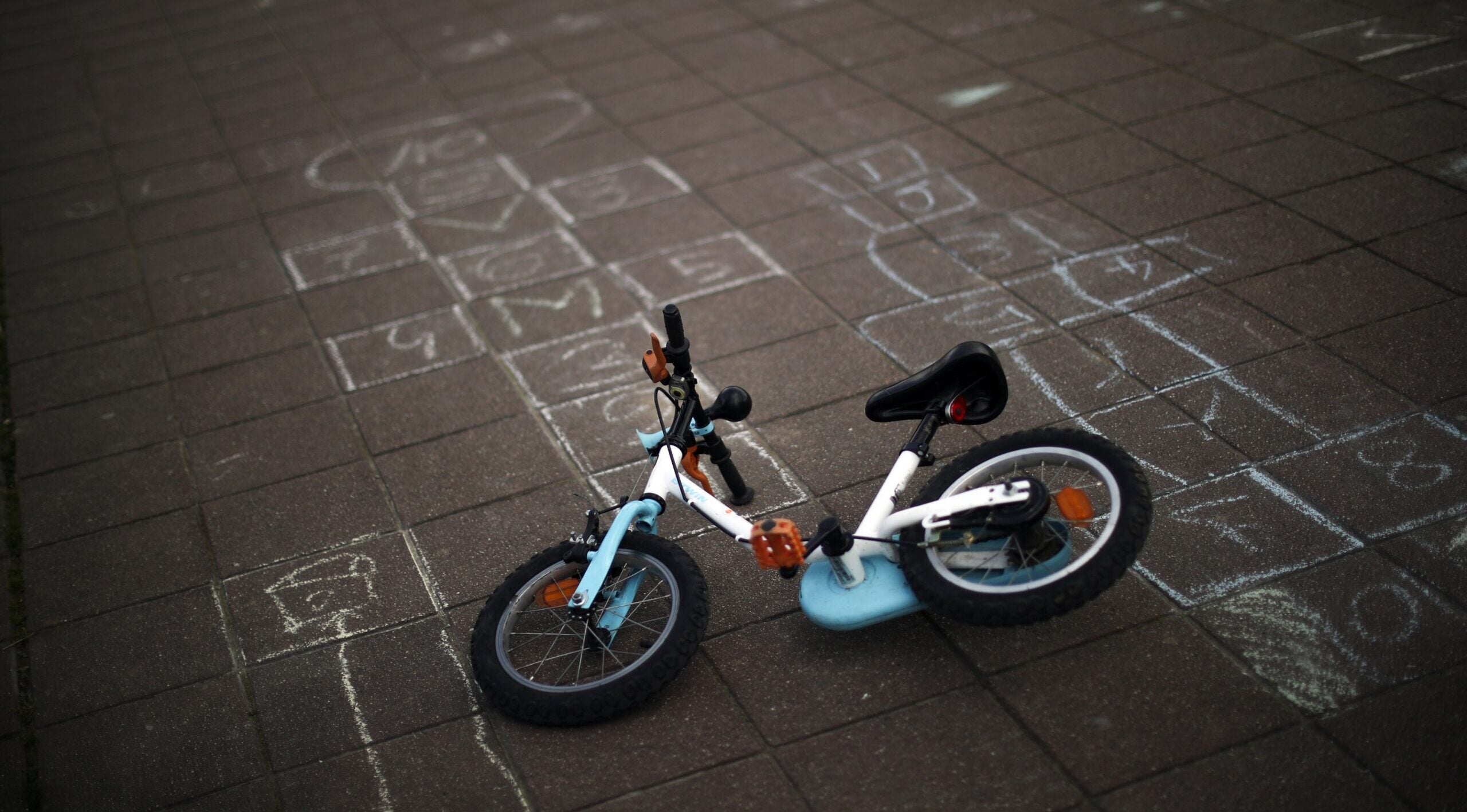
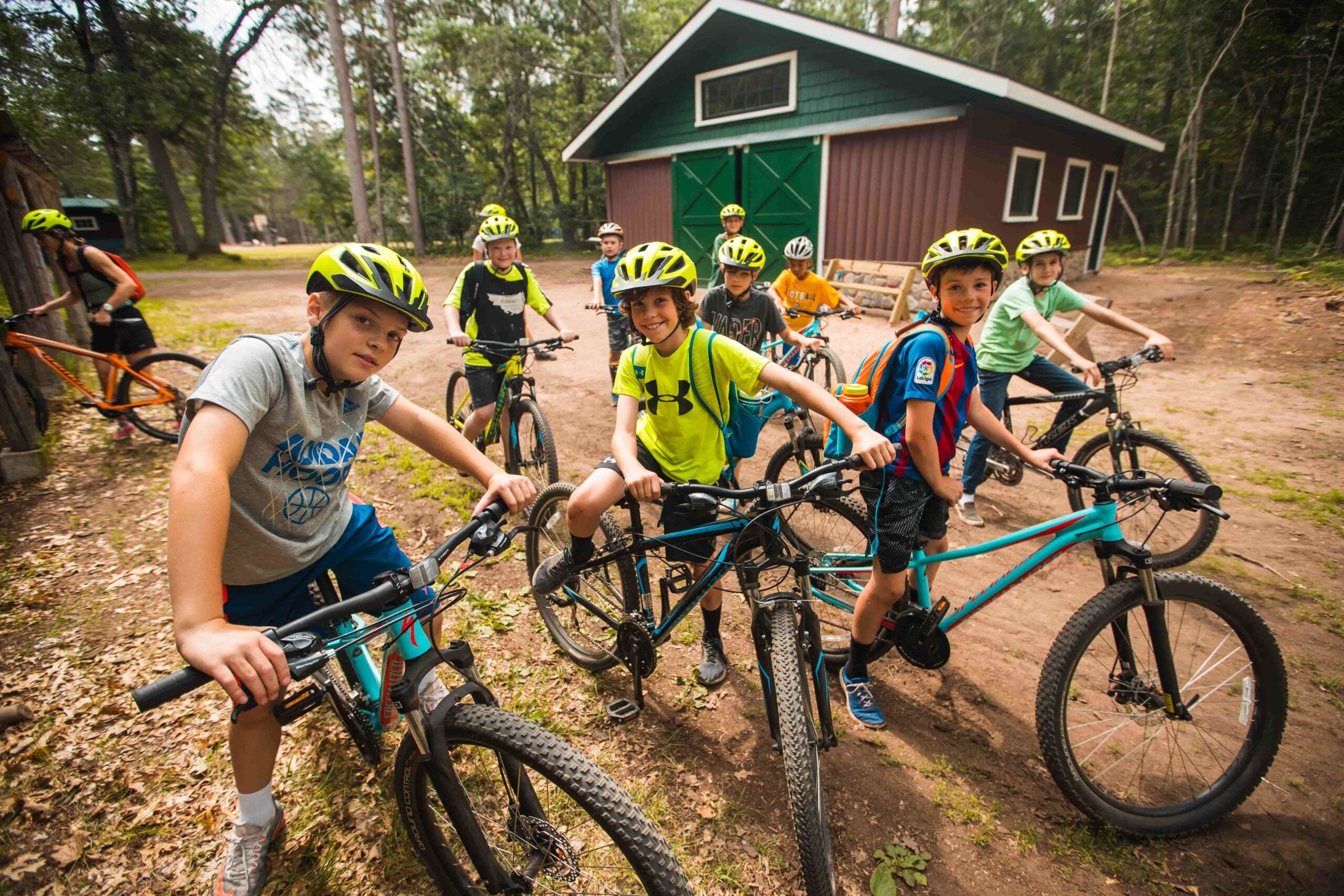
Across the U.S., biking as a childhood summertime activity appears to be a thing of the past. Data from the National Sporting Goods Association shows a sharp decline over the past few decades.
Robert Schneider agrees that bicycling has indeed become less popular among children over the last 50 years. Schneider is professor and co-chair of the Department of Urban Planning at the University of Wisconsin-Milwaukee.
“A 1969 travel survey showed about half of kids walked and biked to school,” Schneider recently told WPR’s “Wisconsin Today.” “Now we’re at about 10 percent.”
News with a little more humanity
WPR’s “Wisconsin Today” newsletter keeps you connected to the state you love without feeling overwhelmed. No paywall. No agenda. No corporate filter.
When kids spend time bicycling outside, they can experience health benefits, socialization and community engagement, Schneider said. But kids right now are missing out on these benefits.
“It’s really important to understand why this is happening and try to come up with ways to change that trend and get more kids biking again,” Schneider said.
Michael Anderson, a Milwaukee youth program manager at the Wisconsin Bike Federation, is among the Wisconsinites passionate about making this change.
In addition to advocating for bike and pedestrian safety, Anderson told “Wisconsin Today” that the Wisconsin Bike Federation hopes to make biking more accessible to local youth through school programs and internships.
“We are coming in as outside educators and facilitators, so our lens is always adapting to the unique culture of each classroom with the goal of full inclusion,” Anderson said. “Certain kids are often excluded from many physical activities. As much as possible, we try to provide special bike accommodations.”
But this is just one way groups like the Wisconsin Bike Federation are trying to get kids back on their bikes. Schneider identified four factors behind the decline in children biking, and Anderson shared solutions the Wisconsin Bike Federation is implementing to address them.
Availability and awareness
A key factor in someone’s travel behavior, Schneider said, is the availability of and awareness about a type of transportation.
“Do families have bikes for kids? Do kids have access to a working bike? We have about 53 percent of households in the U.S. that own a bike,” Schneider said. “Compare that to Germany, which has 80 percent household bike ownership.”
That statistic, he points out, is close to the percentage of households in the U.S. that have a car.
One step toward getting kids back on bikes is making them accessible, and making sure kids know how to ride one.
Anderson said the Wisconsin Bike Federation has several programs, including a two-week bicycle “driver’s ed” program for fourth through sixth graders. They have a yearly target of teaching approximately 1,200 kids in the Milwaukee school district how to ride a bike.
They also prioritize the kids in the program to receive donated, repaired bicycles. “So now we’ve given kids the tools and the experience that they could actually do that ride themselves,” Anderson said.
Convenience and cost
The Wisconsin Bike Federation also has several programs that help repair and supply bikes to kids in the community for free — which helps alleviate one of the factors Schneider identified as “convenience and cost.”
But when it comes to convenience, Schneider said, the root of the issue can be metropolitan development patterns.
“Development that’s spread out makes distances to schools and other activities for kids farther away,” Schneider said. “It’s just a little bit less convenient to go by bike if it takes you longer, so parents will often drive their kids around to various opportunities for activity.”
One teen intern at the Wisconsin Bike Federation, Jaden Simmons-Willis, told “Wisconsin Today” that convenience is a big factor in his decision not to bike to school.
“My school is 10 miles from my house, so it would be a long journey to bike, especially in the winter,” Simmons-Willis said.
Safety and security
When considering whether to let their child ride a bike around their community, parents tend to be most concerned with safety and security, Schneider said.
“Bicycle fatality rates in the United States per mile ridden are three to six times higher than in countries like the UK, Germany, Denmark, the Netherlands,” Schneider said. “I think parents have a sense that roadways across the country feel dangerous because of the cars that are around.”
Anderson said the Wisconsin Bike Federation has been working to increase street safety with their Safe Routes to School program for 20 years. They have helped install protected bike lanes, trails and traffic calming measures that can lower car speeds.
Wisconsin Bike Federation intern Naomi Murphy said she wants to see safety measures like these change in her area.
“I started biking when I was around 7,” Murphy said. “I lived in a community where it was full of kids, so it was usual for you to see kids biking to the nearest park or just biking around with friends.”
Murphy said because she now lives somewhere with larger traffic intersections, she bikes less often than she used to. “But I do bike in the morning to my internships while the traffic is low,” Murphy said.
Enjoyment
Schneider said a big factor in whether or not kids choose to bike is tied to how much they enjoy it.
“Many people really enjoy biking, especially kids,” Schneider said. “But there’s technology and other activities competing for kids’ time.”
But for interns Murphy and Simmons-Willis, there’s no issue here. To Murphy, teaching kids how to ride bikes is the best part of the gig.
“I’ve enjoyed working bike camps and just seeing their joy in their faces when they get on the streets and just start riding safely,” Murphy said.
Schneider said that as kids get back into biking, more positive community benefits will follow.
“They will develop more of a consciousness of streets as public space — streets as places where walking and biking are welcome and encouraged,” Schneider said. “It’ll change social attitudes so that we don’t exclusively design for high speed cars. Instead, if we go a little bit slower in our cars, devote a little bit more space for walking and biking, we will end up creating more benefits for the community.”