For generations, high schoolers in the village of Pulaski in northeastern Wisconsin have been bringing local news to a community that would otherwise be a “news desert.”
Many rural areas around Wisconsin and the rest of the U.S. are grappling with a loss of local news. According to the 2025 Medill State of Local News Report, the number of local news deserts — communities that don’t have local news coverage — in the U.S. jumped to record levels last year as newspaper closures continued unabated.
But teenagers in Pulaski haven’t allowed that to happen there, as they operate the village’s only official news source year-round.
News with a little more humanity
WPR’s “Wisconsin Today” newsletter keeps you connected to the state you love without feeling overwhelmed. No paywall. No agenda. No corporate filter.
Pulaski News has been run by students at Pulaski High School for more than 80 years. According to the school, it’s the oldest student-run community newspaper in the country.
In 1939 Pulaski’s only newspaper at the time, the Tri-Copa, went bankrupt. School superintendent Frank Joswick saw an opportunity then for students to provide their community with a vital resource while also learning valuable career skills, according to Pulaski High School journalism instructor Amy Tubbs.
“He really felt education was for the community and he did a lot of good things to make sure that Pulaski had what it needed,” Tubbs told WPR’s “Wisconsin Today.”
The first issue of Pulaski News ran in 1942, filled with stories reflecting the realities of living in rural Wisconsin during World War II.
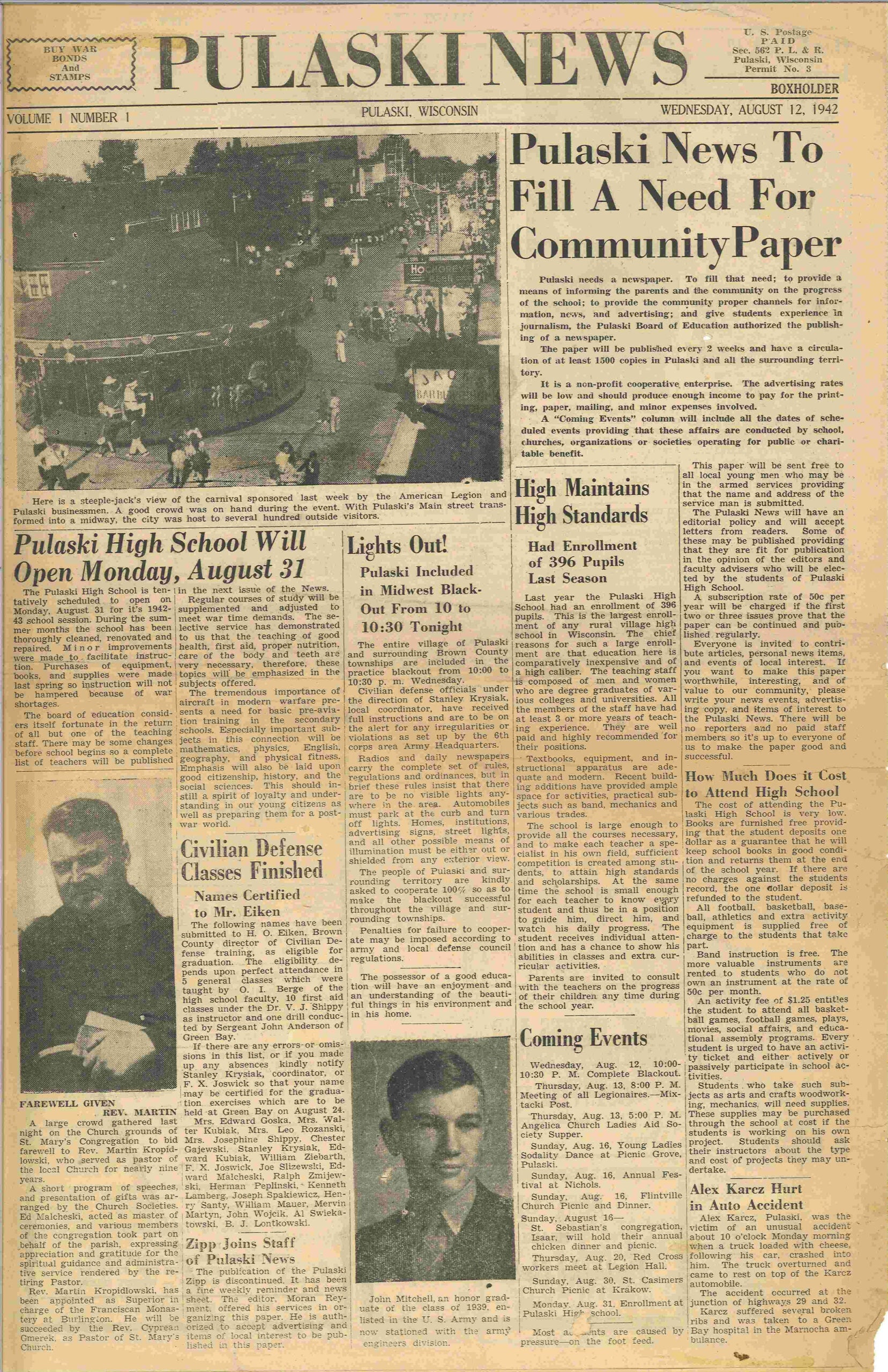
Decades later, Pulaski students are still covering village happenings — and developing critical career and life skills while they’re at it.
“I think the biggest challenge I had to overcome as a reporter was talking to strangers. It’s the greatest skill I have ever learned from any class in high school, because talking to strangers when you’re a teenager feels very life-or-death,” senior Madelyn Rybak told “Wisconsin Today.” “I am now a much more confident adult.”
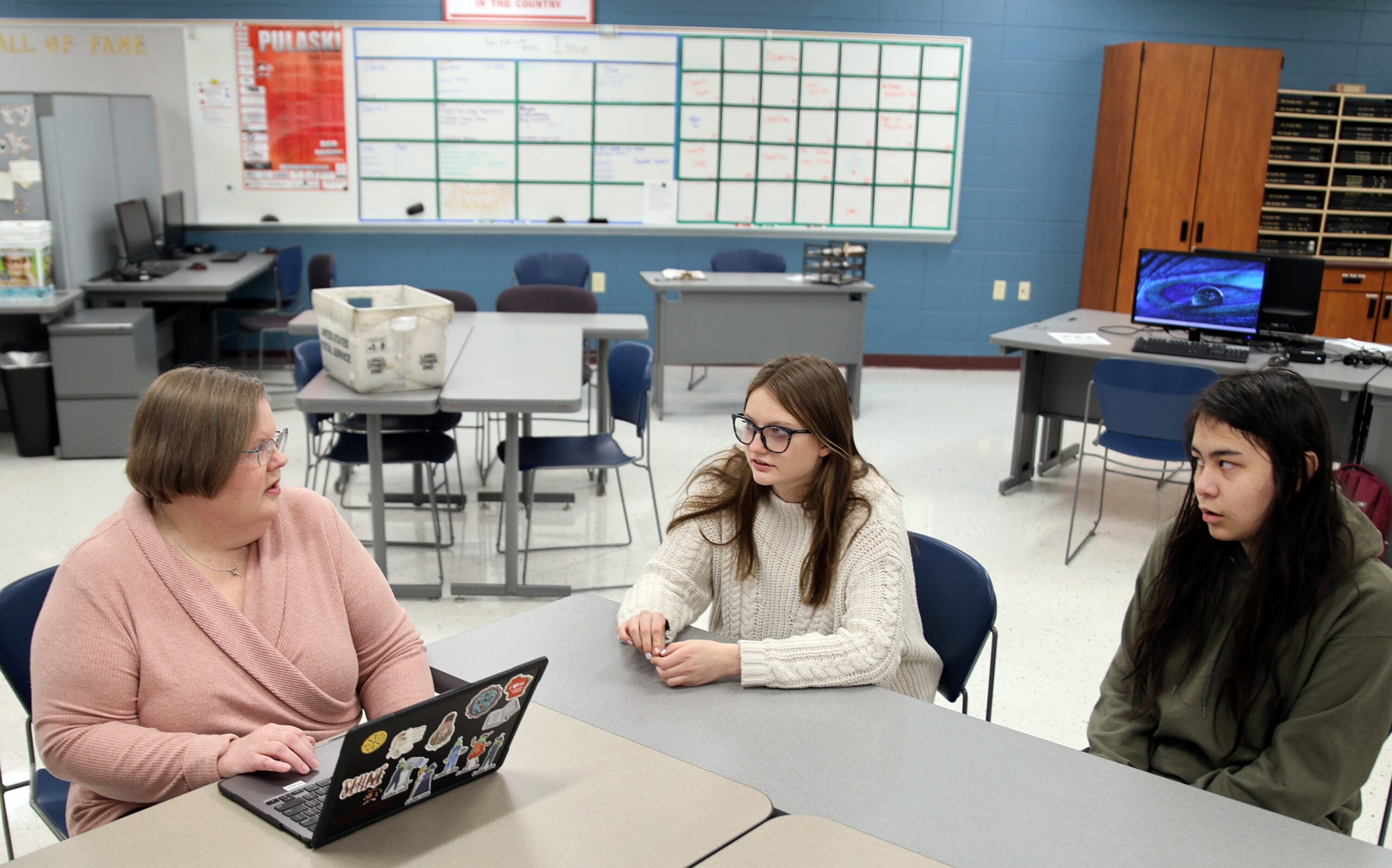
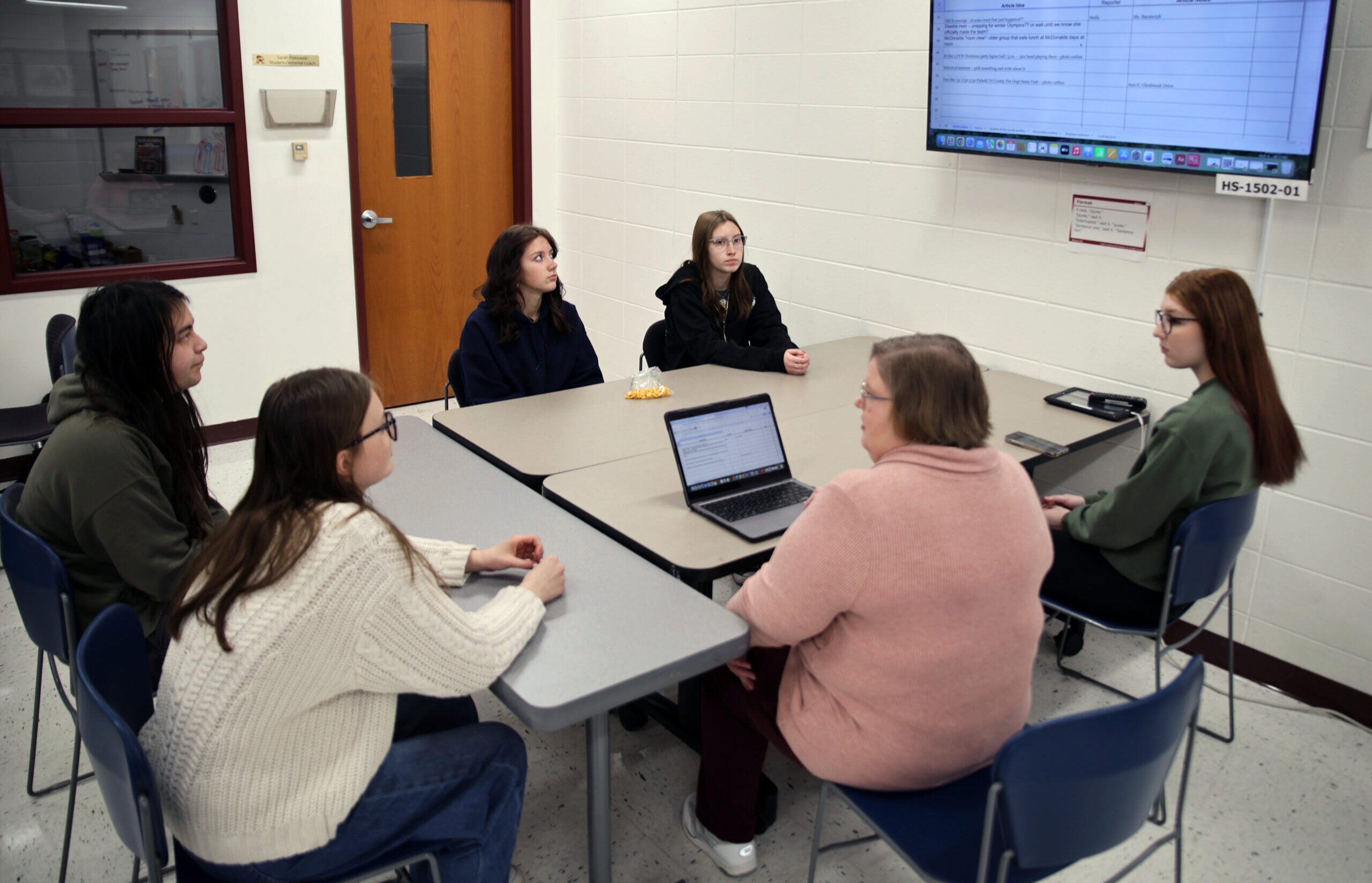
In class, students learn how to be working journalists: They come up with ideas for stories, conduct interviews, take photos and write and edit articles. But unlike their other classes, these students’ work gets shared with the public in the form of new issues that they publish every other week.
“We’re all responsible for everything going on with our paper,” Rybak said. “The class allows students to have a certain degree of creative control that’s not really present in a lot of classes.”
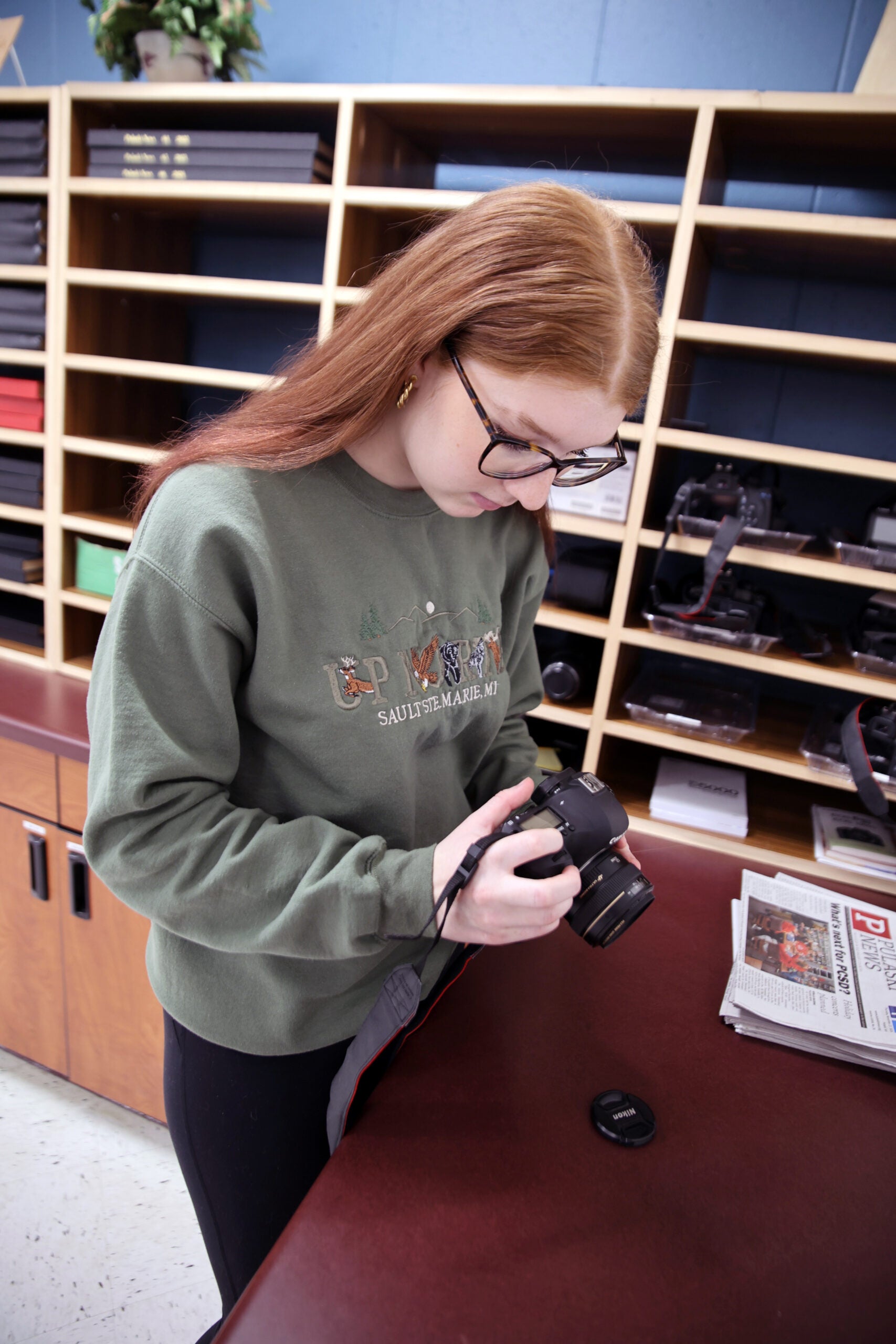
Tubbs said Pulaski News is a point of pride for the community. Students who worked for the paper have gone on to become award-winning journalists, including a Pulitzer Prize finalist and multiple Midwest Emmy nominees. Over the years, Tubbs said, students have joined the paper after being encouraged by parents who are Pulaski News alumni themselves.
The Pulaski News prioritizes human interest stories; students develop curiosity about their community as a part of looking for ideas. Rybak said she feels proud of a story she did about summer school in Pulaski and the joy teachers and their students find there.
“I noticed that there just wasn’t really a lot of coverage for it,” Rybak said. “Positive news is all around us. It’s just a matter of slowing down and acknowledging it and putting a spotlight on it.”
Tubbs said Pulaski News offers the community a refreshing perspective in the current political climate.
“Especially in today’s world, people are often so divided,” Tubbs said. “It’s really nice to say, ‘Hey, let’s get to know our neighbors and promote what’s going on in our community,’ and realize that we have something pretty special.”