A Wisconsin Senate committee held a public hearing Tuesday on a Republican bill that would bar local governments from passing ordinances that grant legal rights to natural resources.
Sen. Steve Nass, R-Whitewater, and Rep. Joy Goeben, R-Hobart, introduced the bill. The legislation would prevent a city, village, town or county from passing “rights of nature” ordinances that grant legal rights to protect against pollution or maintain a healthy ecosystem.
GOP lawmakers have said there’s a growing national trend of local governments providing legal standing to rivers, forests and ecosystems. More than 30 local governments in at least 10 states have adopted or attempted to pass such measures, according to the bill’s authors.
Nass said rights of nature laws are a direct threat to private property rights during a hearing before the Senate’s transportation and local government committee.
“As countries around the world and other local governments in America begin to place nature above human beings, it is important that this be stopped in Wisconsin before it goes any further than a non-binding resolution,” Nass said. “Nature should not supersede human beings, and nature has no inalienable rights like man.”
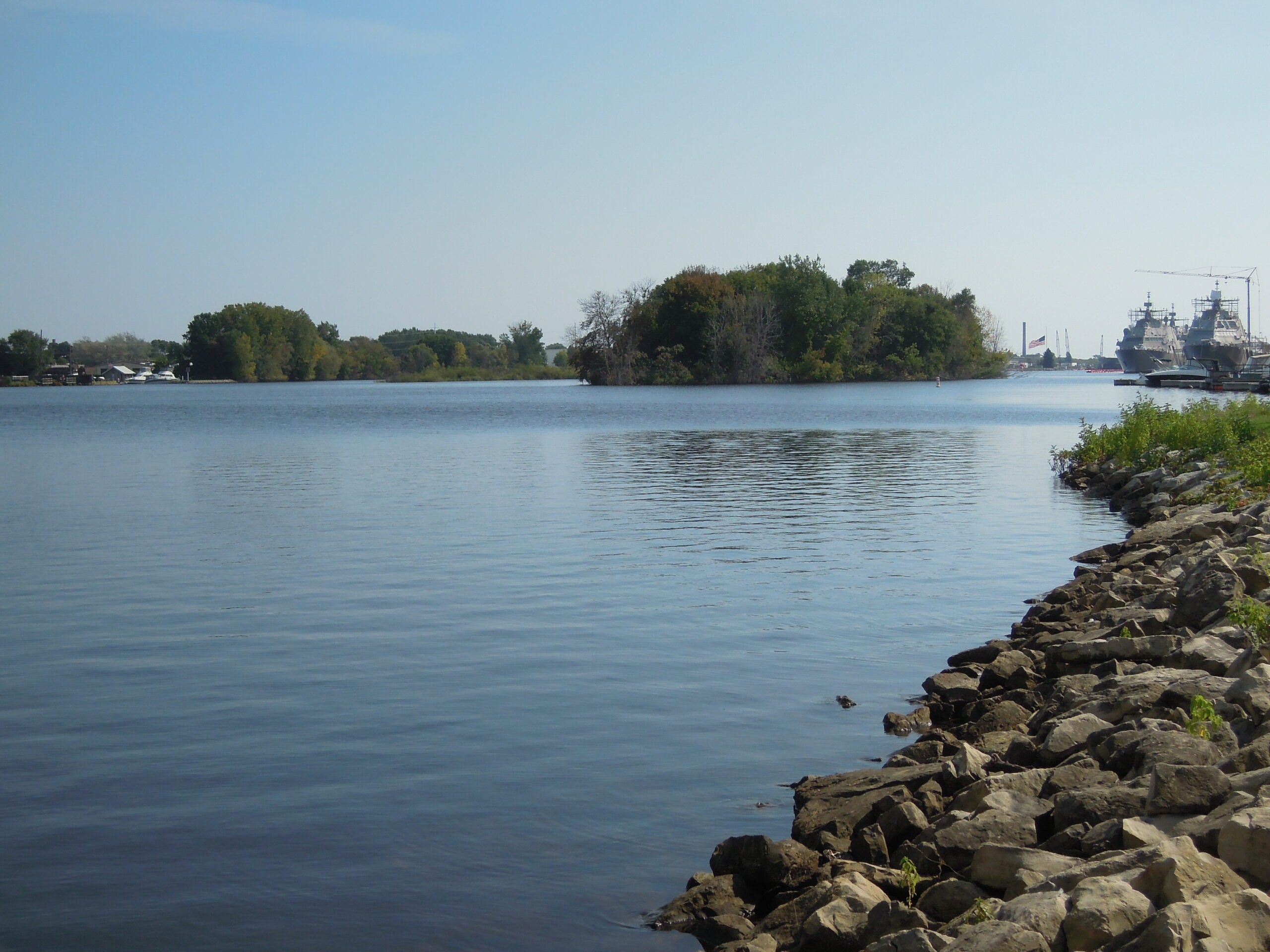
In Wisconsin, Nass noted that Green Bay moved to draft a resolution over the summer that would recognize area wetlands and waterways possess the “right to clean water,” including the Fox and East rivers.
Green Bay was following in the footsteps of Milwaukee County. In 2023, the county passed a “rights of nature” resolution that supports bestowing rights to waterways there with a goal of “ensuring human activities do not interfere with nature and its ability to be healthy, robust, and resilient.”
Wisconsin tribes have also taken steps to recognize the rights of nature. In 2018, the Ho-Chunk Nation became the first tribe in the country to amend its constitution to include the rights of nature. In 2020, the Menominee Indian Tribe of Wisconsin passed a resolution to protect the legal rights of the Menominee River.
David Liners with the Rights of Nature Wisconsin movement said such measures are meant to protect the Earth for future generations. He noted that corporations also have some of the same rights of people. Under corporate personhood, companies can hold property and sue or be sued, according to the Brennan Center for Justice.
“The rights of nature is just simply saying we need the natural world to have some standing to be protected,” Liners said. “It’s not absolute rights.”
Liners said such measures don’t give the natural world more rights than people. But Nass said granting the same rights of people to nature could open landowners to litigation, saying supporters want to expand the rights of nature to stop development.
Republicans say states like Florida and Ohio have passed laws limiting the legal rights of nature. They have also pointed to a 1972 Supreme Court ruling that found the Sierra Club lacked standing in its legal challenge to a U.S. Forest Service decision to develop a game refuge. GOP lawmakers argue only people or recognized legal entities have standing, saying rights of nature policies threaten a “dangerous shift” in legal precedent.
In October, a group of Democratic state lawmakers unveiled “rights of nature” legislation, saying that natural resources like lakes and forests should be given their own legal standing. As part of the legislative package, a joint resolution urged the Legislature to recognize and protect the rights of nature and not pass laws that prevent local governments from adopting such measures.
More than 500 rights of nature laws or policies have been passed worldwide. In 2008, Ecuador became the first country to grant legal rights to nature in its constitution, and Bolivia also recognized the importance of protecting nature. In 2019, a ruling by the top court in Bangladesh granted rivers the same rights as people.
News with a little more humanity
WPR’s “Wisconsin Today” newsletter keeps you connected to the state you love without feeling overwhelmed. No paywall. No agenda. No corporate filter.

Wisconsin Public Radio, © Copyright 2026, Board of Regents of the University of Wisconsin System and Wisconsin Educational Communications Board.