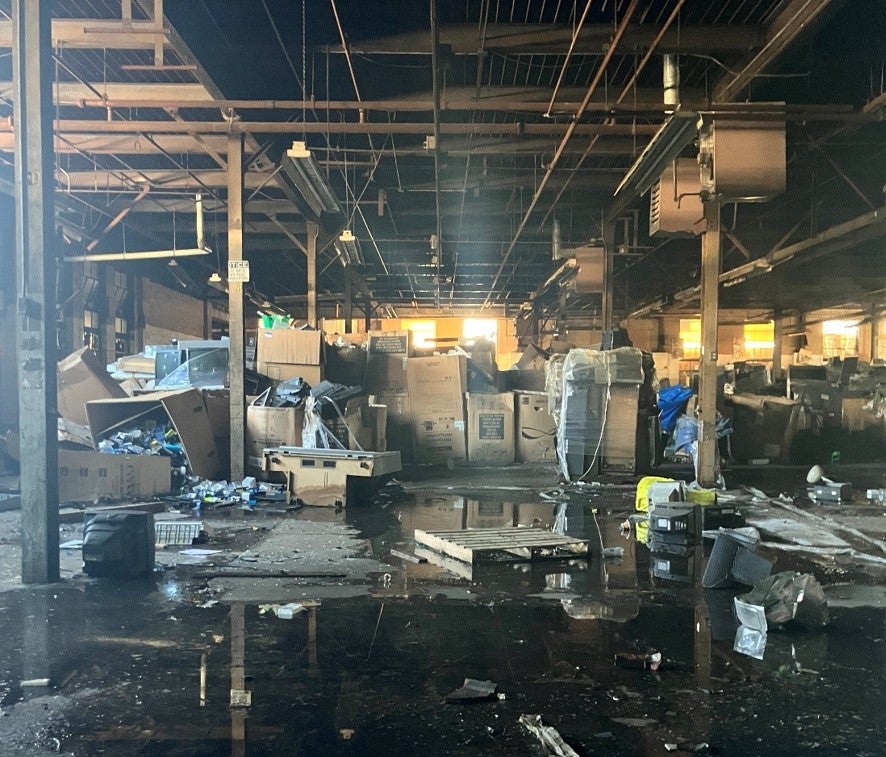
State environmental regulators say cleanup of hazardous electronic waste is complete in connection with a multi-year federal fraud case involving a former state lawmaker and Wisconsin recycling firm.
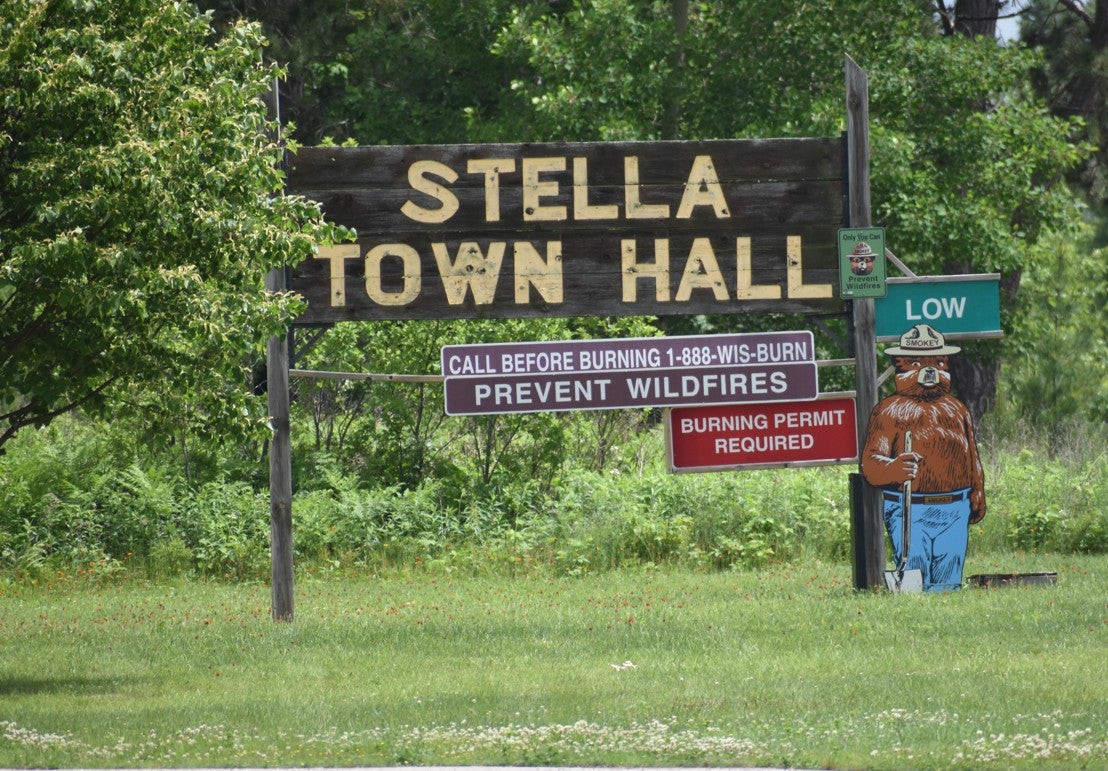
Ladysmith-based 5R Processors, which is no longer operating, processed electronic waste at facilities in Wisconsin and Tennessee. That waste included cathode ray tubes from televisions and computers, which contain high levels of lead. State and federal agencies investigated 5R and spinoff companies for illegal storage, transport and disposal of crushed leaded glass at facilities in Ladysmith, Glen Flora, Catawba and West Bend.
Lead and mercury within materials at those sites are widely known to contaminate drinking water when released into the environment, said Natasha Gwidt, waste and materials management field operations director for the Wisconsin Department of Natural Resources. Gwidt said the lead in the materials was not released, but the state spent $4.6 million to clean up waste left behind.
News with a little more humanity
WPR’s “Wisconsin Today” newsletter keeps you connected to the state you love without feeling overwhelmed. No paywall. No agenda. No corporate filter.
“It’s really unfortunate that tax dollars did go to bailing out a corporation that didn’t continue to be responsible for what they were supposed to be doing,” Gwidt said.
In 2020, a grand jury issued a 10-count indictment against Kevin Shibilski, chief executive officer of 5R Processors. Shibilski previously served as a former state senator from 1995 to 2003, as well as a brief stint as the state’s tourism secretary in 2003.
Shibilski pleaded guilty to a single felony count of willful failure to pay $858,101 in employment taxes, and the government dropped the other charges. In 2023, a federal judge sentenced him to 33 months in federal prison and three years extended supervision.
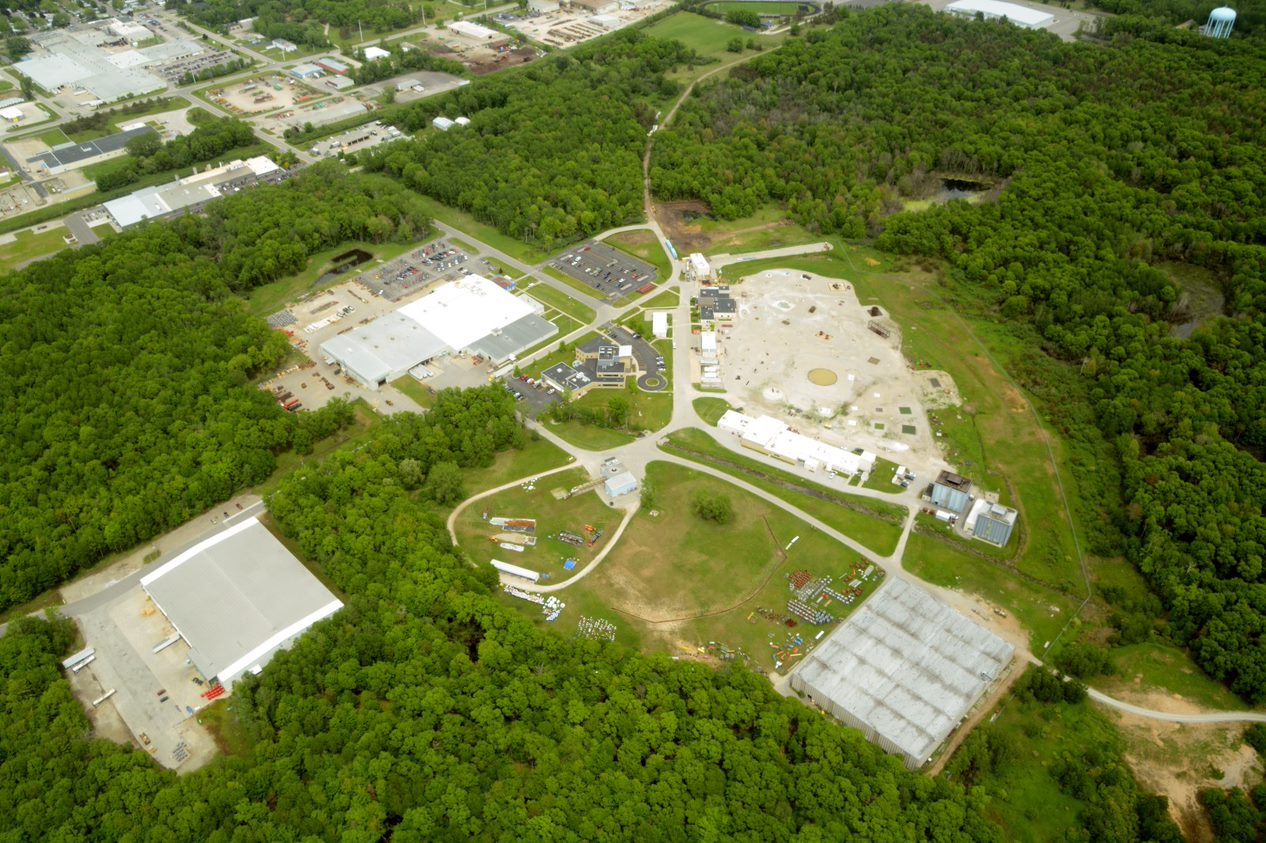
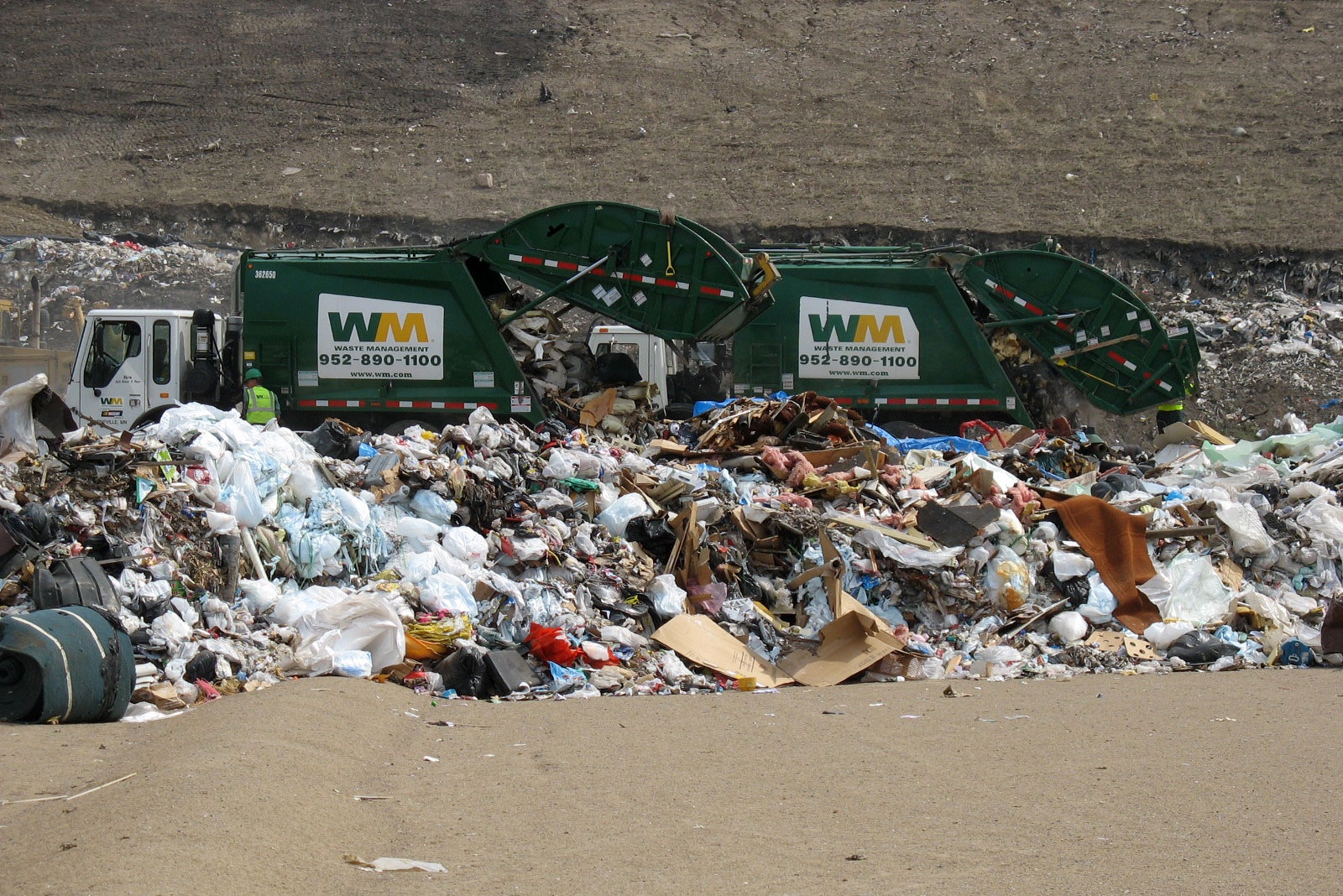
Work to clean up the sites wrapped up this year and removed nearly 2.7 million pounds of hazardous electronic waste. In West Bend, the city removed an additional 64 dumpsters of solid waste, and the total cleanup there cost about $2.4 million.
Gwidt said the work was a significant undertaking, noting the state doesn’t have a dedicated fund to clean up contaminated sites. Federal, state and local partners worked to restore the sites with help of $4.5 million set aside by the Wisconsin Legislature under a law enacted in 2022.
“One of the sites up north was found to have (more than) 60 pounds of elemental mercury, which is an enormous amount of material that was not stored properly,” Gwidt said. “Anyone could just walk into one of these facilities, break and enter or be in there utilitizing them and not have a clue of the concerns.”
The DNR contracted with Veolia Milwaukee LLC who worked with subcontractors to safely package and transport the waste for treatment and disposal at approved facilities that handle hazardous waste. Some material also went to recycling facilities.
Gwidt said there’s no need for monitoring the sites, noting it’s up to the landowners to determine future use of those properties. However, some work is still being done to clean up contamination at the site where waste was stored in West Bend, which stemmed from a past industrial user unrelated to 5R Processors.

Wisconsin Public Radio, © Copyright 2026, Board of Regents of the University of Wisconsin System and Wisconsin Educational Communications Board.