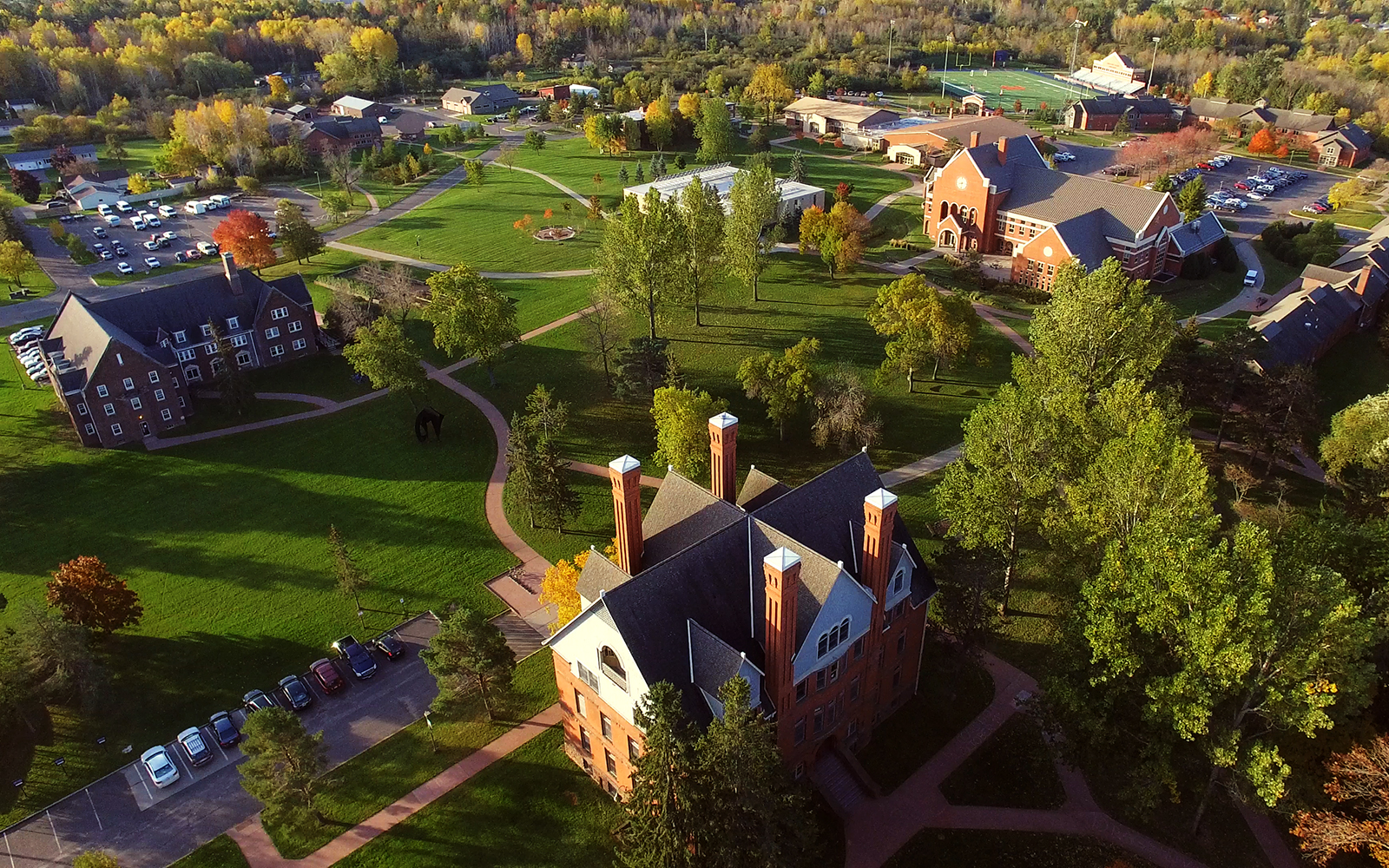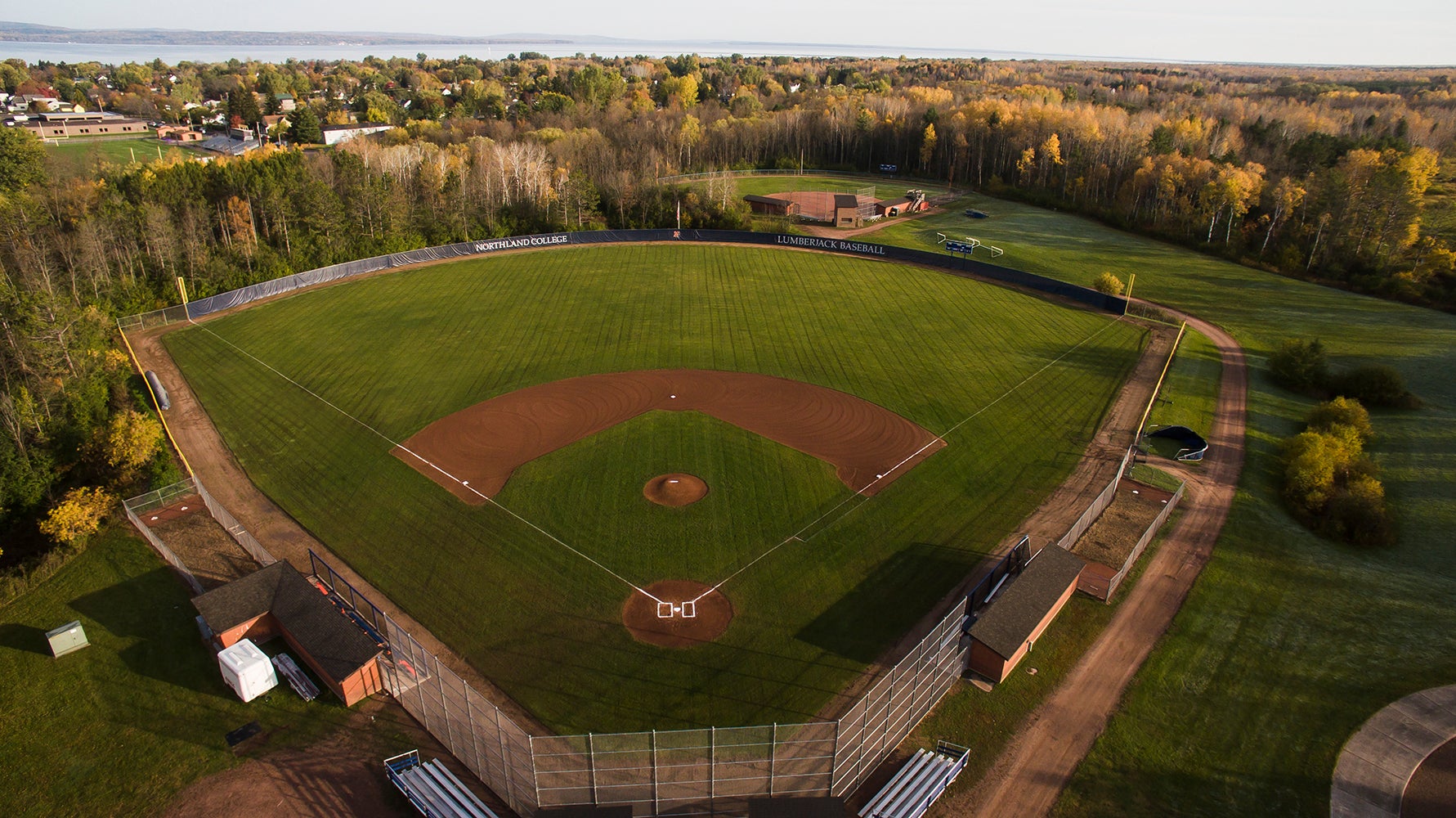
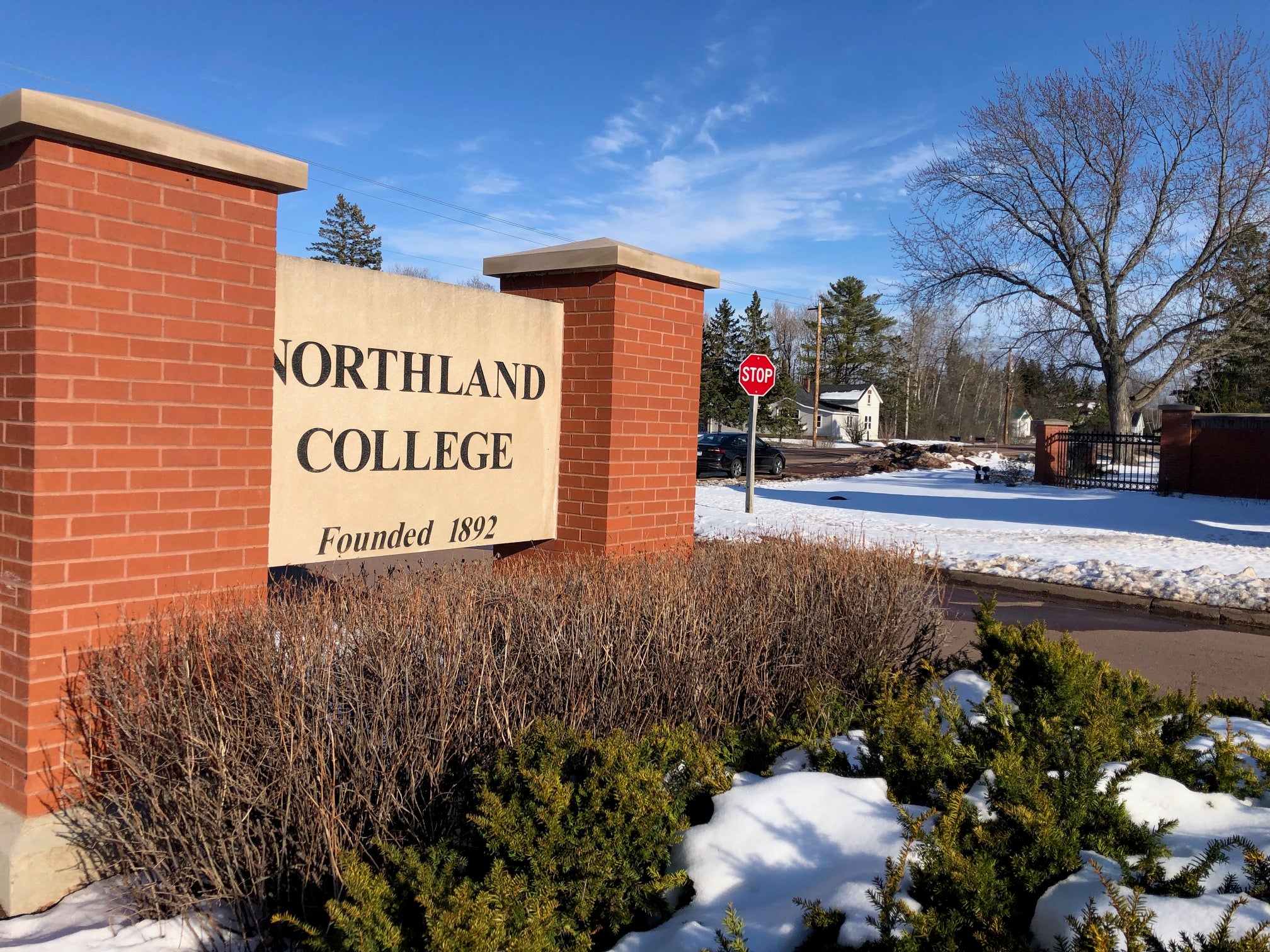
A newly formed nonprofit group is exploring creation of a microcollege to continue the mission of Ashland’s Northland College, which closed last year.
Microcolleges are part of a growing movement across the nation, according to Elizabeth Andre. She’s a board member with the nonprofit Northland Collaborative, which is exploring models for such schools.
“We’re excited to continue the aspects of the Northland College mission that really resonated with us,” she said, including “environmental and community-focused” programs.
News with a little more humanity
WPR’s “Wisconsin Today” newsletter keeps you connected to the state you love without feeling overwhelmed. No paywall. No agenda. No corporate filter.
Microcolleges usually have small enrollments ranging from 28 to 137 students, according to a 2024 white paper by the Springboard Foundation for Whole Person Learning. They largely incorporate work, self-governance and academics.
“They’re generally very much place-based (and) talking about the local culture, the agriculture, the ecology, often connecting with Indigenous people in those places,” said Jacob Hundt, founder of Thoreau College in Viroqua. “They have a focus on talking about questions of meaning, purpose, vocation.”
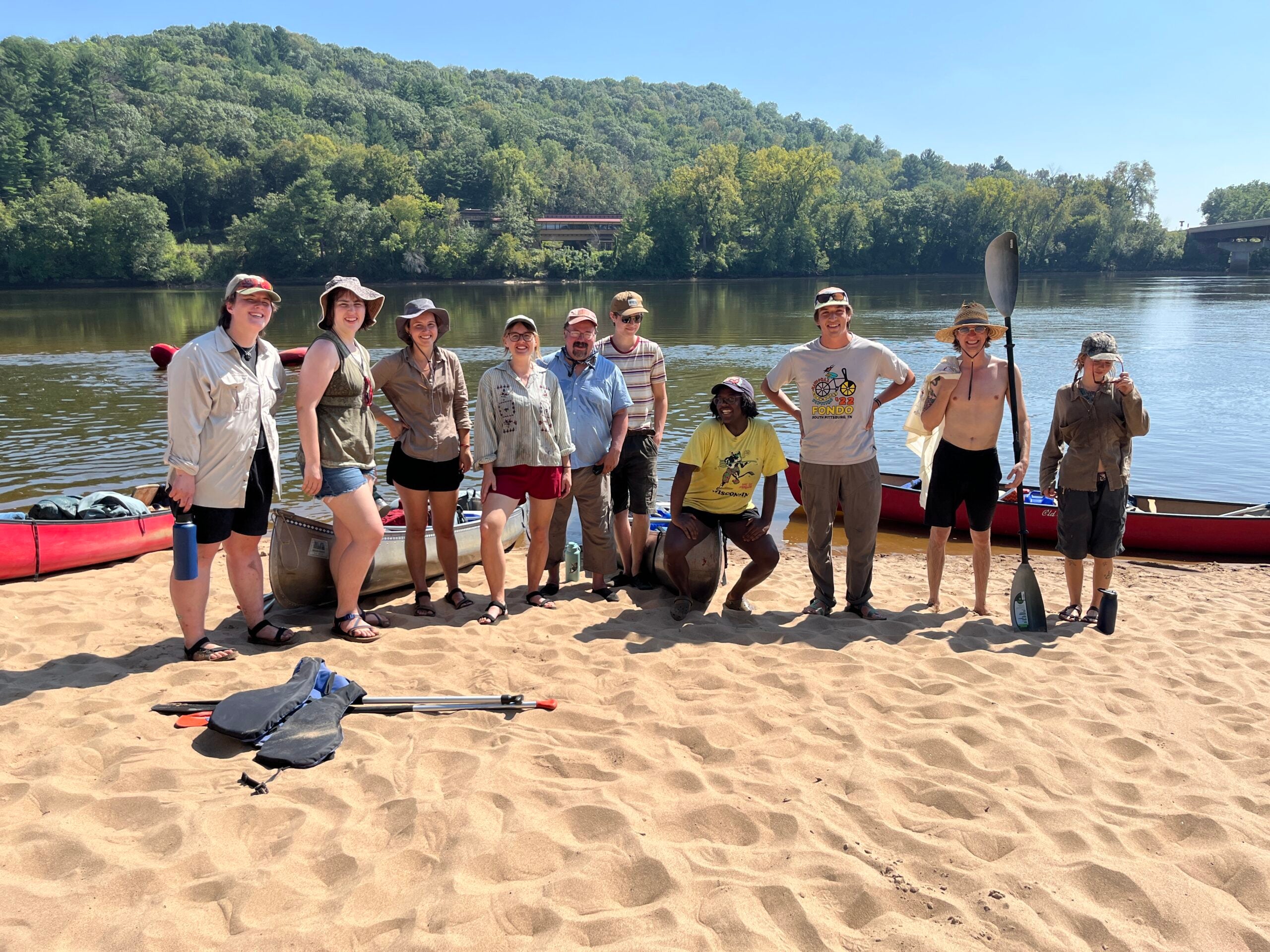
For Northland Collaborative, Andre said the group hopes to create a microcollege with a curriculum that focuses on the Chequamegon Bay area and south shore of Lake Superior.
“I really believe in the model of education where people learn to live well with each other and with the land, and I think that is needed now more than ever,” Andre said. “This region is one of the more economically depressed counties in the state, and I think a lot of people are missing the economic driver and also the cultural driver of new young people coming in every fall.”
Hundt said there are at least a dozen microcolleges nationwide similar to Thoreau College.
About a decade ago, Thoreau College began forming its liberal arts curriculum that draws from author Henry David Thoreau and Rudolf Steiner, the founder of Waldorf education. It now offers either fall or spring semester programs with cohorts ranging between five to 15 students. Most classes are held in an old church building, and students live in one of several residential houses in Viroqua.
“We have this amazing organic and sustainable agriculture movement (in the region), so farming and food and local ecology and history are a really important part of our programs,” Hundt said.
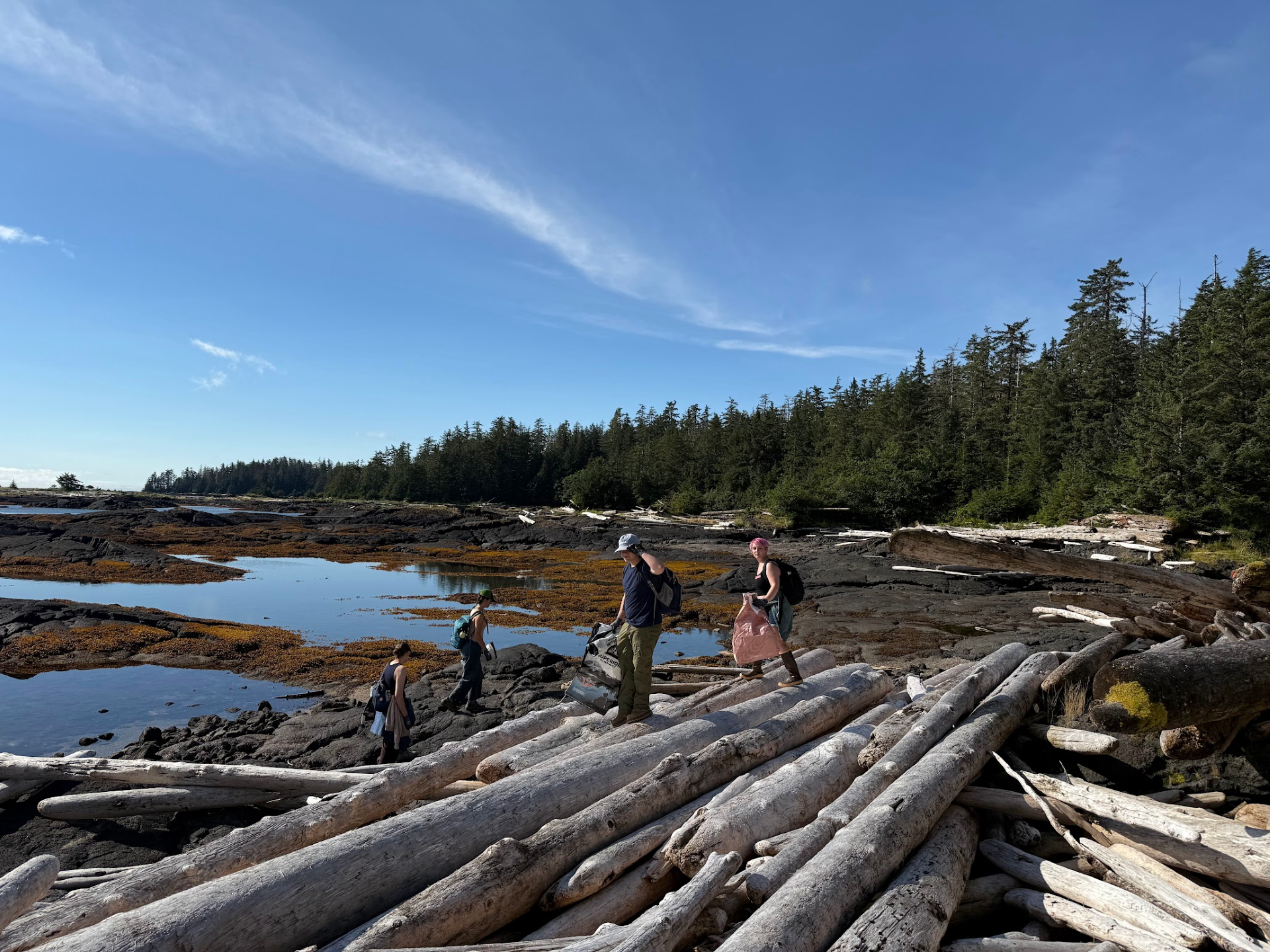
The Northland Collaborative group is exploring a school called Outer Coast in Alaska that launched a two-year undergraduate program in 2024 and currently has 30 students. That school intertwines Indigenous and European teachings, said Bryden Sweeney-Taylor, co-founder and executive director of Outer Coast.
Sweeney-Taylor said microcolleges are emerging at a time when higher education is struggling. As many as 80 colleges might close due to declining enrollment and other factors by 2029, according to a paper by the Federal Reserve Bank of Philadelphia.
Costs may also be less than the nation’s largest traditional private colleges. At Thoreau College, tuition, housing and supplies run $12,000 per semester. Outer Coast’s tuition is $45,000 each year, including tuition, fees, room and board. Although, Sweeney-Taylor said some students pay far less based on need. Both schools rely on support from donors or fundraising.
Northland Collaborative would look to former Northland faculty who remain in the region to teach classes. Andre said it’s likely they would initially receive a stipend or be hired in an adjunct role, noting the group is not fundraising yet.
However, they have started conversations with the Higher Learning Commission about the process of receiving accreditation, noting other schools have agreements with existing institutions that allow students to earn college credits.
Andre said it will be years before Northland Collaborative would be ready to enroll students, but it’s examining a way to offer classes in the short-term.

Wisconsin Public Radio, © Copyright 2026, Board of Regents of the University of Wisconsin System and Wisconsin Educational Communications Board.