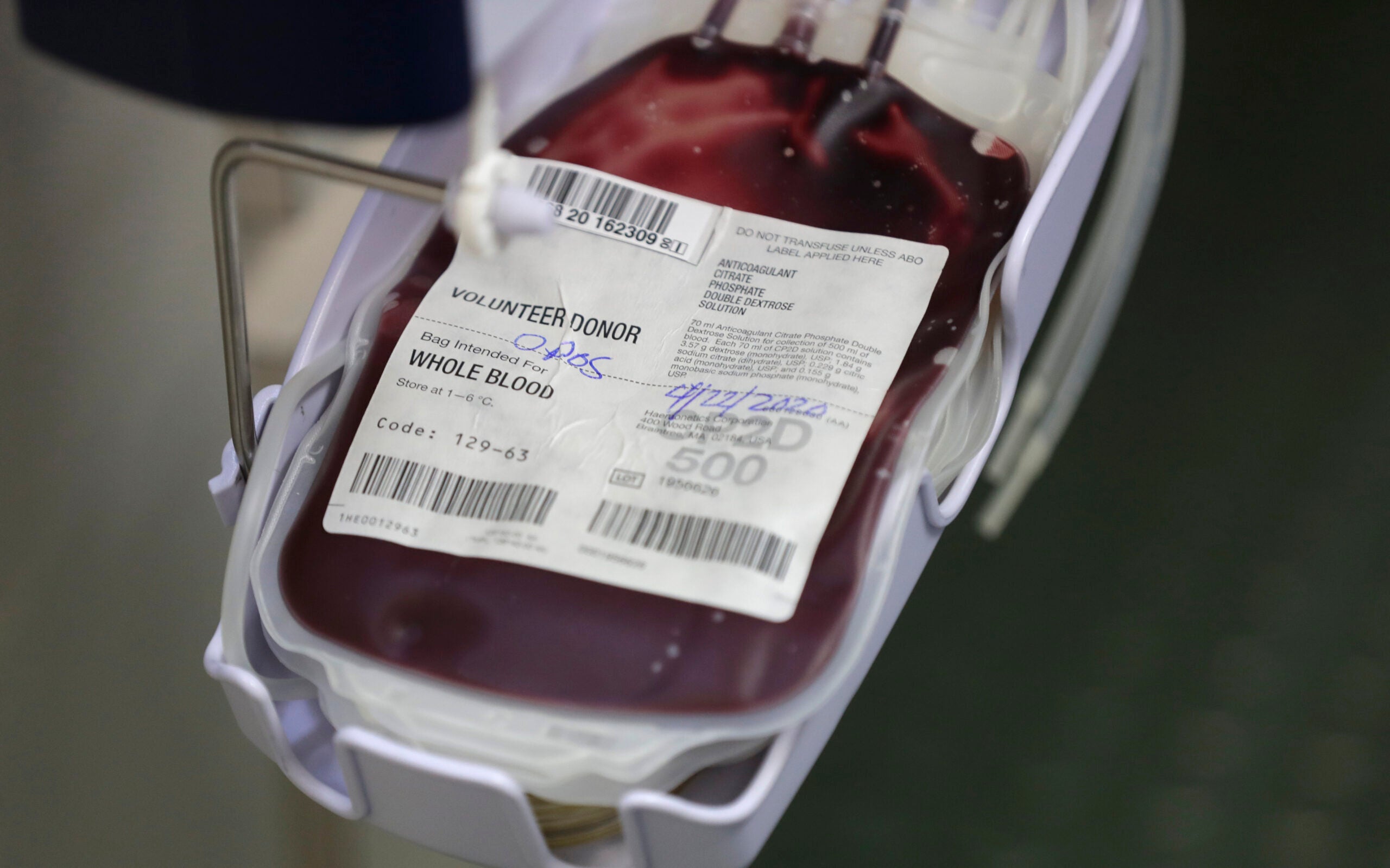
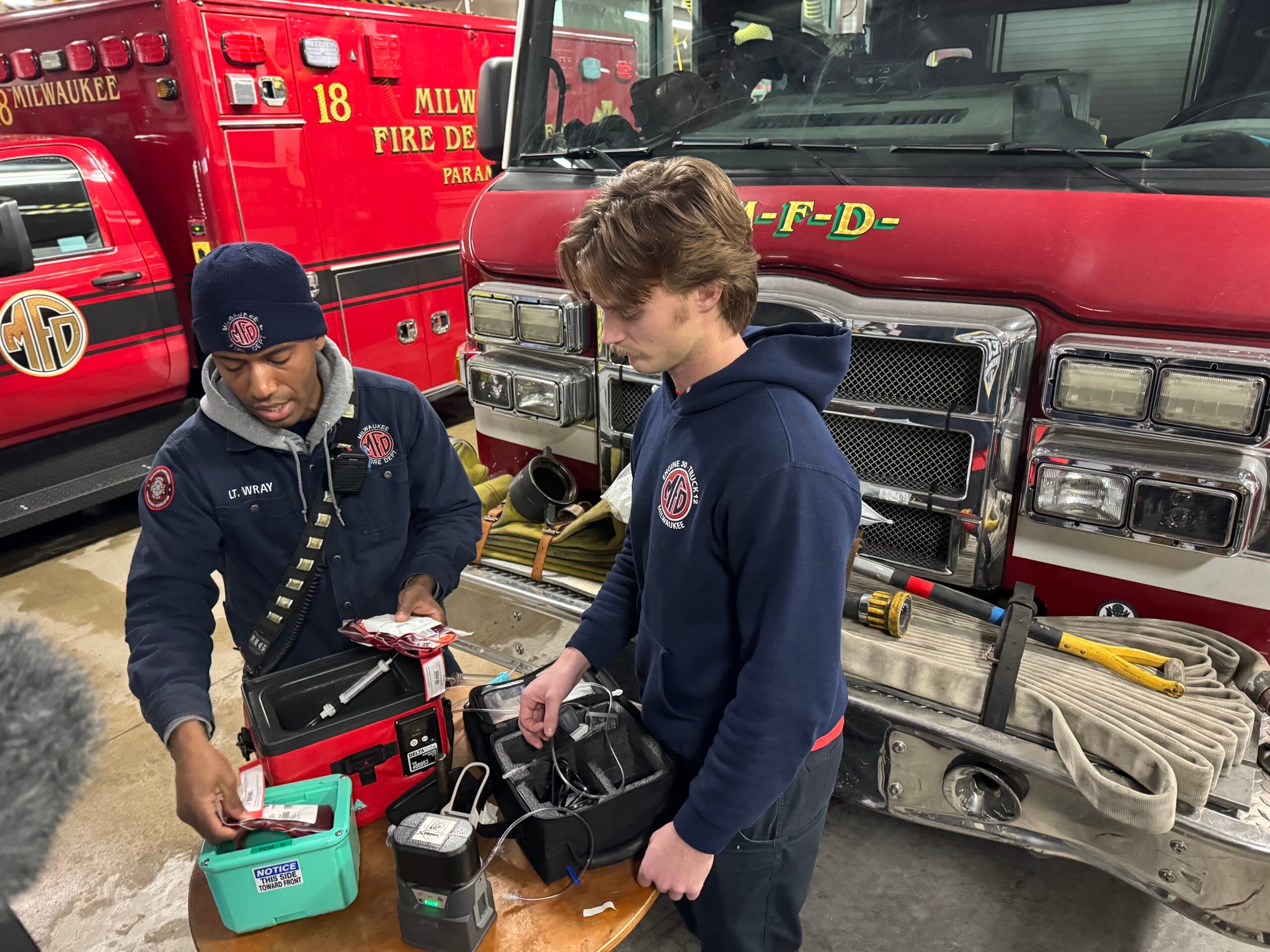
More than 100 patients received whole blood transfusions from emergency responders before getting to the hospital in the past year as part of new initiatives in Madison and Milwaukee to help prevent deaths from severe blood loss.
Milwaukee County was the first 911 service in Wisconsin to provide blood transfusions for patients, according to Dr. Ben Weston, chief medical officer for Milwaukee County’s Office of Emergency Management. The program started in late 2024 and has helped 38 patients so far.
UW Health’s Med Flight also started a whole blood transfusion program last year. Dr. Ryan Newberry, assistant medical director for UW Health Med Flight, said around 90 patients have been given over 160 units of whole blood in the first year of the program.
News with a little more humanity
WPR’s “Wisconsin Today” newsletter keeps you connected to the state you love without feeling overwhelmed. No paywall. No agenda. No corporate filter.
“We feel that we’re giving our patients a better resuscitation, prehospitally, so when they arrive to the trauma center, the patients are just in a better position for our surgeons to make good decisions and provide really good care,” Newberry said.
Weston said in Milwaukee County, the majority of the patients were involved in a car crash or had a gunshot wound. Four of the patients were children.
“But these aren’t just statistics,” Weston said during a recent press conference. “They’re people who now have birthdays, they have holidays, they have family meals that might not otherwise have been there.”
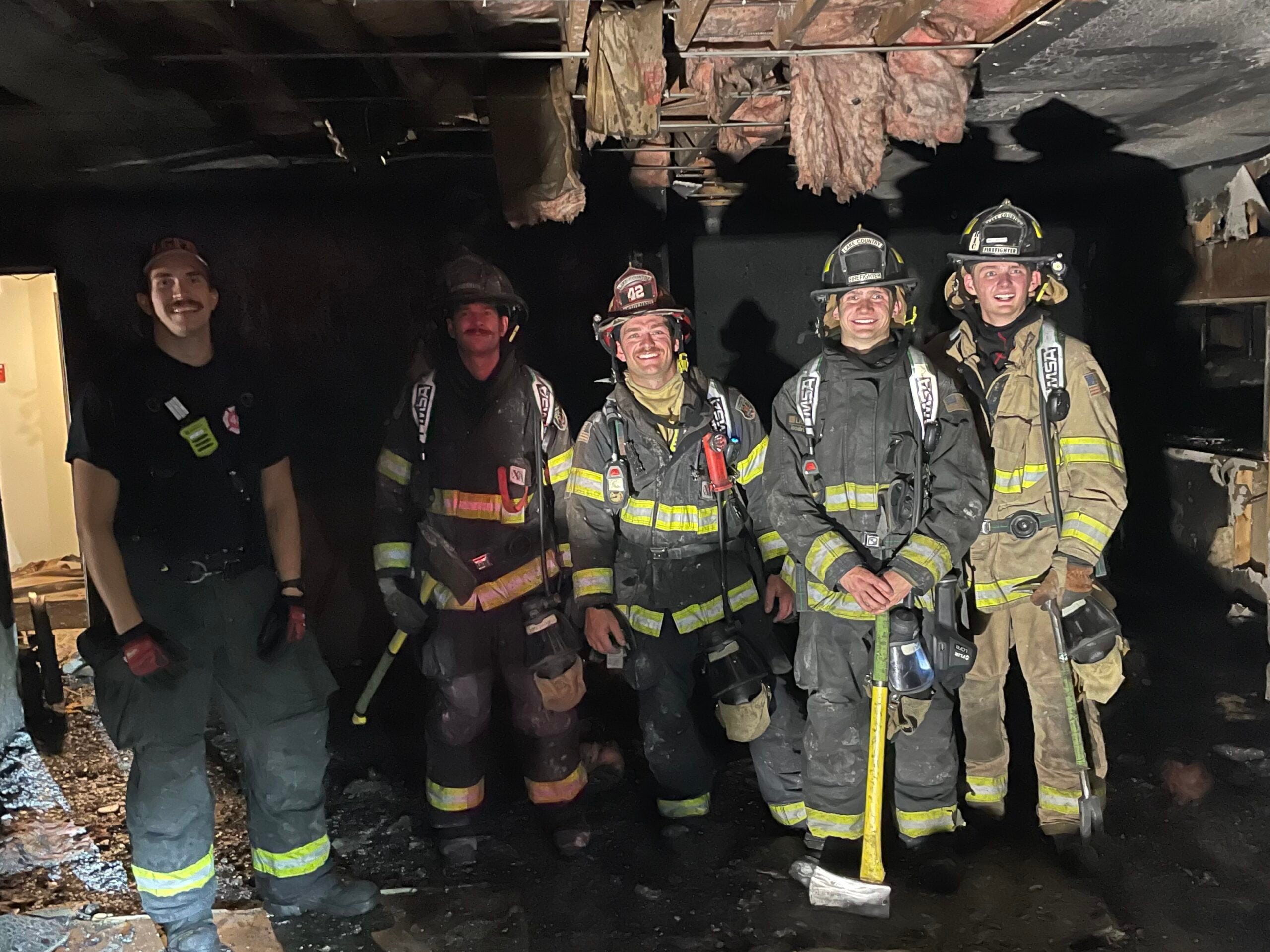
Seven fire departments in Milwaukee County are part of the initiative: Greendale, Milwaukee, North Shore, Oak Creek, South Milwaukee, Wauwatosa and West Allis.
Weston said every one-minute delay of a patient getting blood can increase their risk of death by 2 percent.
“But by giving our paramedics this ability to deliver blood immediately — in a living room, on a street corner, under a bridge — we’re fundamentally changing that chance of survival,” he said.

Milwaukee County Executive David Crowley said a woman who suffered a postpartum hemorrhage after she gave birth received a whole blood transfusion as part of the program.
“This capability allows our first responders to deliver advanced trauma care in real time, providing immediate life-saving support in the most critical moments for those who absolutely need it,” Crowley said.
The whole blood is carried in special coolers to keep it cold. The county started with five coolers in November of 2024 and now has 10 that are used in paramedic units in the county. Weston said the goal is to expand the program to more fire departments.
“It’s safe, it’s effective, and it saves lives,” Weston said.
An estimated 1 percent of EMS agencies in the nation carry blood, according to the American College of Surgeons.
“This is not something every trauma center in the world is able to, or is doing yet,” Newberry said. “So we’re definitely towards the front of the pack with that.”
Newberry said around 80 percent of the patients received whole blood to treat traumatic injuries from events like car crashes or gunshot wounds. Around 20 percent received whole blood for medical reasons.
Weston also said the “vast majority” of patients in Milwaukee County have been trauma patients.
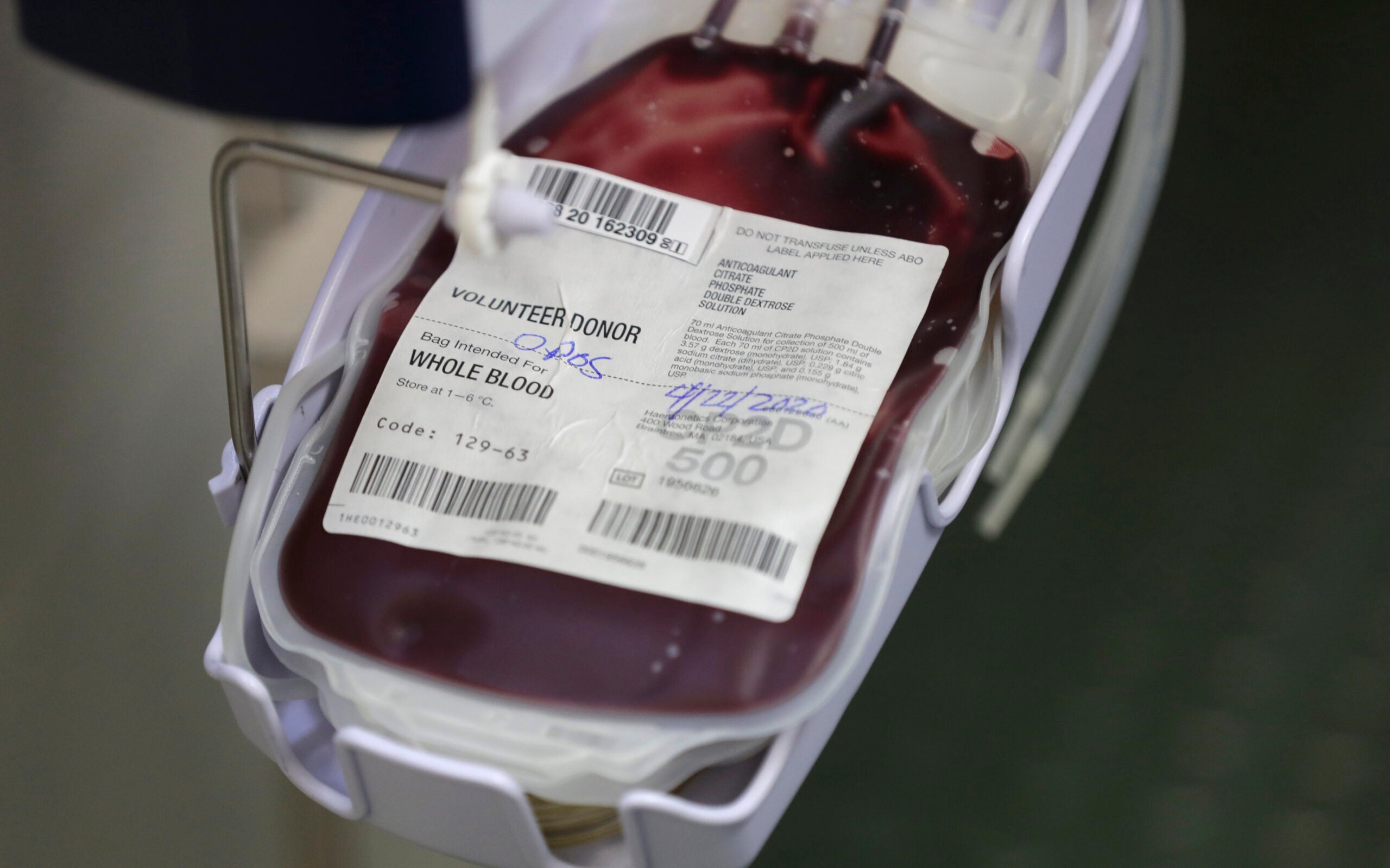
Other communities using packed red blood cells
Other communities in Wisconsin began placing packed red blood cells on ambulances this year. In Sauk County, the city of Reedsburg Ambulance, Dells-Delton EMS and Baraboo Area Fire & EMS District started their program in the spring.
Joshua Kowalke, city of Reedsburg Ambulance director, said they’ve used the blood for two people so far, both victims of car crashes.
“This is a great opportunity for us to potentially save somebody’s life in the field,” Kowalke said.
Kowalke said whole blood can be more difficult to get from blood banks.
“With PRBCs (packed red blood cells) we are able to restore the oxygen carrying capability of the blood and it also has a longer shelf life,” Kowalke wrote in an email.
Mark Willer, assistant chief of Baraboo Area Fire and EMS District, said a command vehicle with cooler holding the packed red blood cells responds to most emergencies in the county. Willer said the Baraboo Area Fire and EMS District has used the blood on four patients in the past eight months.
“Having blood is really the definitive way to fix massive trauma blood loss, or even a medically caused blood loss,” Willer said.
The Kenosha Fire Department also started a program in April. Scott Krueger, deputy fire chief for the Kenosha Fire Department, said all five of the department’s frontline ambulances now carry packed red blood cells. Krueger said they’ve used them to treat 10 patients so far.
“More and more ambulance services are taking on blood as a treatment for pre-hospital treatment, and they’re having great success with it,” said Bill Glass, the EMS division chief for the Kenosha Fire Department. “So I think it’s here to stay.”

Wisconsin Public Radio, © Copyright 2026, Board of Regents of the University of Wisconsin System and Wisconsin Educational Communications Board.