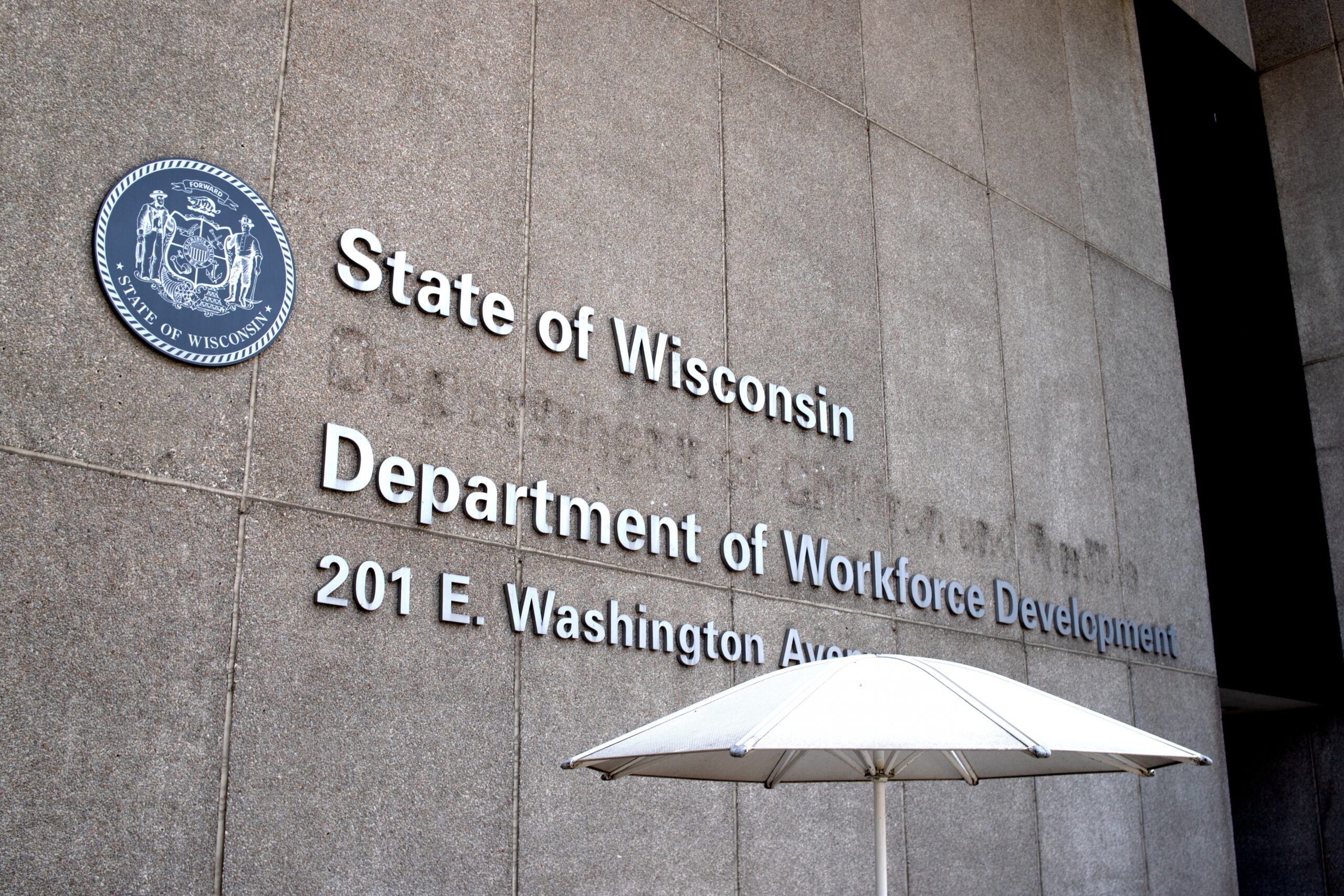
New job numbers from the U.S. Department of Labor paint a stark picture of America’s job market — and a University of Wisconsin-Madison economist said he expects upcoming Wisconsin jobs numbers to show a similar trend in manufacturing jobs.
The Labor Department released a report Aug. 1 showing weaker than expected job growth for July, with 73,000 jobs added.
But it was the report’s revision of May and June job creation numbers to under 19,000 for May and 14,000 jobs in June that painted a weaker picture of the U.S. economy — and led to President Donald Trump firing the commissioner of the Bureau of Labor Statistics.
News with a little more humanity
WPR’s “Wisconsin Today” newsletter keeps you connected to the state you love without feeling overwhelmed. No paywall. No agenda. No corporate filter.
Menzie Chinn is professor of public affairs and economics at UW-Madison’s La Follette School of Public Affairs. He told WPR’s “Wisconsin Today” that it’s normal for job figures to be revised several times after initial publication.
“The fact that the preceding months were revised down meant that you had a drastic change in the trajectory that you saw,” Chinn said. “… And that is what the markets reacted to.”
In response to the report, Trump fired the head of the Bureau of Labor Statistics, Erika McEntarfer, calling the jobs reports “rigged.”
Chinn said the move to fire McEntarfer harms trust in America’s economic data collecting system.
“The commissioner really doesn’t have the power to change these numbers, per se. They’re generated by thousands of people working within (the Bureau of Labor Statistics),” Chinn said. “It would be hard to manipulate these numbers.”
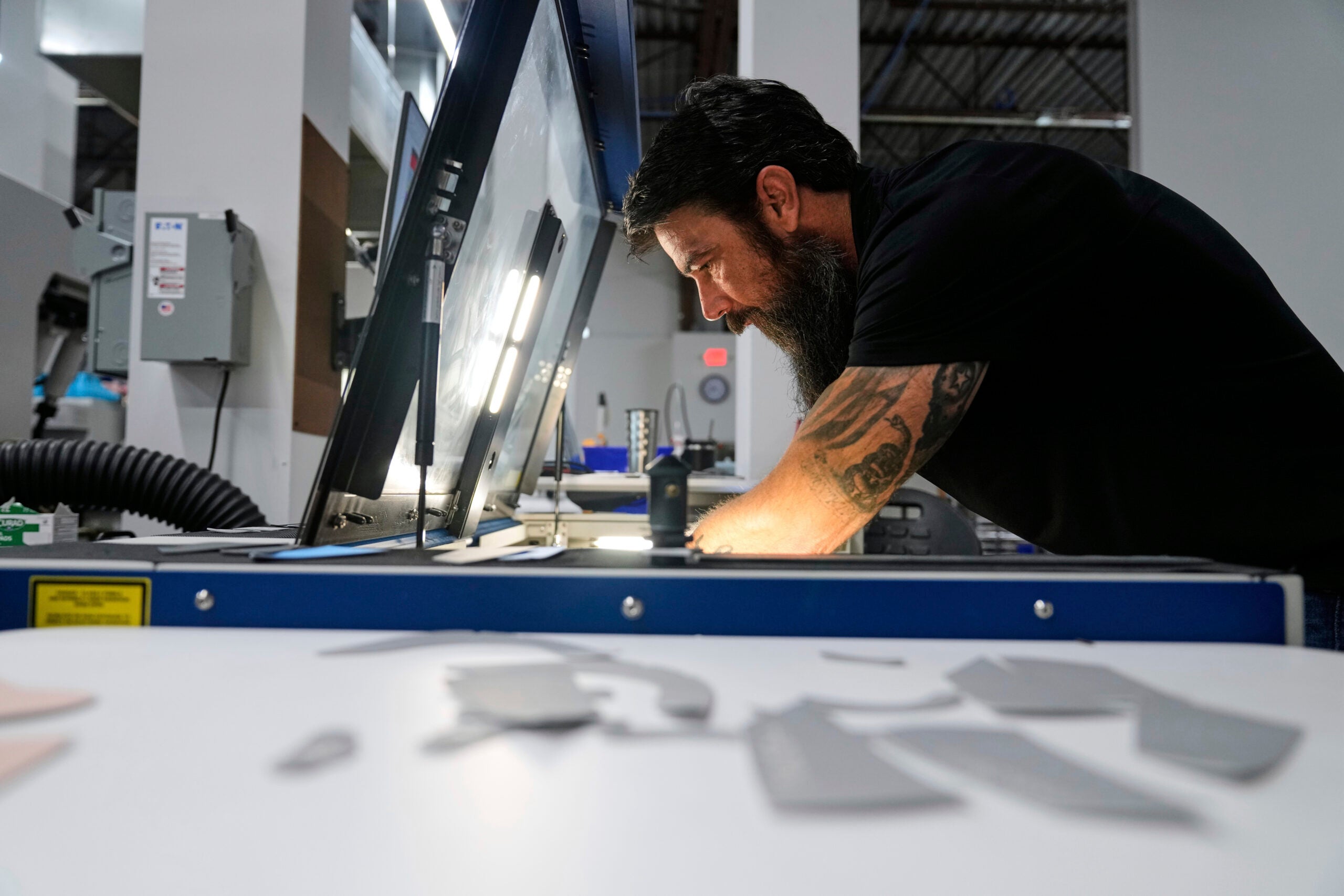
The jobs report published early this month found a decline of 11,000 jobs nationally in manufacturing — an industry that Wisconsin has historically relied on.
Chinn said this decline is to be expected based on how nations like China responded after Trump placed smaller tariffs on other countries in 2018.
“I wonder why it took so long for it to show up,” Chinn said.
Chinn added that the uncertainty from negotiated tariffs are taking a toll on Wisconsin businesses.
“If you have to decide whether you want to build a new factory or buy new equipment that’s going to be used to service exports, but you don’t know whether the markets for those exports will be there or you don’t know if you’ll be cost competitive … you’re frozen on both sides,” Chinn said.
“Once the uncertainty is resolved, you may see any of two things happen,” Chinn continued. “You could see hiring increase. But you could see firings increase.”