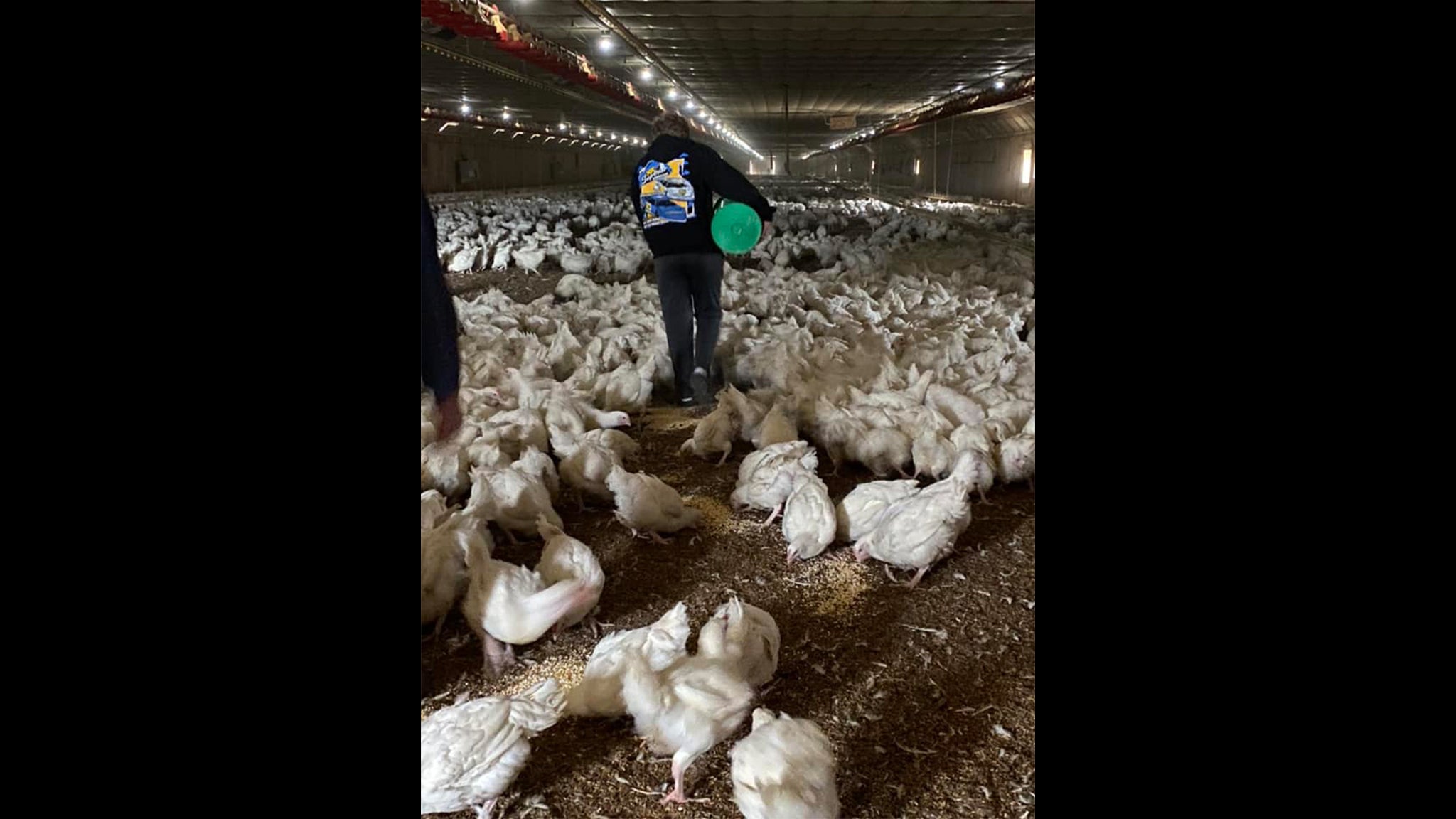

A Blue Mounds facility that breeds beagle dogs for research will shutter part of its operation, after an investigation into allegations of animal cruelty.
The Ridglan Farms facility will face no fines or fees but must close the arm of its operations that breeds thousands of beagles each year for biomedical research, as part of a settlement to avoid prosecution.
The settlement follows a special prosecutor’s investigation launched in January, which came after years of effort from animal rights activists to shutter what they describe as one of the country’s three largest breeders of beagles for research.
News with a little more humanity
WPR’s “Wisconsin Today” newsletter keeps you connected to the state you love without feeling overwhelmed. No paywall. No agenda. No corporate filter.
Under the terms of the settlement, Ridglan Farms has until July 1 of next year to offload its remaining dogs.
Steffen Seitz, a litigation fellow with the Animal Activist Legal Defense Project, which brought complaints against Ridglan Farms, estimates that there are about 2,500 remaining beagles, based on counts done in previous years by the Department of Agriculture, Trade and Consumer Protection. That state agency licensed the facility under Wisconsin’s animal breeding sector.
“While we’re thrilled that they’re shutting down, we’re extremely disappointed and quite frustrated by the fact that they will still be able to sell the remaining dogs,” Seitz said.
Seitz said the complainants wanted the facility investigated for animal cruelty.
A spokesperson for Ridglan Farms shared a statement with WPR, saying the facility is “tremendously proud of the outstanding care we provide to our animals, which play a pivotal role in ensuring the safety and effectiveness of cutting-edge veterinary and medical treatments.”
“At the same time, we remain fully committed to the continuous improvement of our operations, protocols and practices to ensure our animals continue to receive the best care possible,” the statement continues. “Moving forward, we remain committed to combating disease and improving health in dogs and humans alike.”
Ridglan Farms’ state breeding license will no longer hold after next year’s deadline. Another sector of the facility, which directly experiments on animals, is licensed separately and will continue.
This week’s settlement comes after about seven years of activism from groups including Dane4Dogs. According to that group’s president, Rebekah Robinson, activists from a different organization entered the facility and took photos and videos of the condition in 2017. Those activists faced legal action that brought attention to the facility.
“We’ve been pressuring our public officials to look at what’s happening at Ridglan Farms, asking them to investigate, asking them to hold them accountable and hold them to the laws that we have and the standards that we have,” said Robinson.
After the court case against the activists was dropped, Seitz said the activist groups — including Dane4Dogs and Alliance for Animals — then filed a complaint against Ridglan Farms in 2024, requesting a special prosecutor.
The advocacy groups involved in that work alleged that the dogs underwent cutting of their eyelids and vocal cords without anesthesia and that they were housed in illegally small spaces. An evidentiary hearing last year included allegations that dogs were kept in small cages where feces would build up, and dogs would sometimes get blisters and sores on their feet from the cages.
In January, a Dane County judge granted the request for a special prosecutor, appointing La Crosse County District Attorney Tim Gruenke to the case after finding probable cause that Ridglan Farms had violated state animal cruelty laws.
“Wisconsin animal cruelty law … applies equally,” said Seitz, “whether you’re a pet owner, whether you’re a shelter, whether you’re breeding dogs as pets, it doesn’t matter.”
According to a March op-ed published by Marc Bekoff, a professor emeritus of ecology and evolutionary biology at the University of Colorado at Boulder, and the late Jane Goodall, more than 40,000 dogs are used in research each year in the United States, and beagles are the most common dogs used for experimentation.
Seitz said that has to do with beagles’ “docile and trusting” nature.
“You can hurt a beagle, and the beagle will still come back to you and still let you be near them and still trust you,” he said.
Over the next year, Robinson, of Dane4Dogs, said the activist groups will “continue to do everything that we can” to get the remaining beagles inside the facility “adopted out instead of sold to other labs.”
In response to a question about the future of its dogs, Ridglan Farms said that its dogs are well cared for, disease-free and “purposefully bred to take part in biomedical research, which benefits our pet animals and improves human medicine as well.”
“At the current time, alternatives do not yet exist which can replace all animal-based studies,” the statement continued. “Until this occurs, Ridglan Farms will continue to support the biomedical research process while ensuring that the dogs in our care live happy and healthy lives.”

Wisconsin Public Radio, © Copyright 2026, Board of Regents of the University of Wisconsin System and Wisconsin Educational Communications Board.