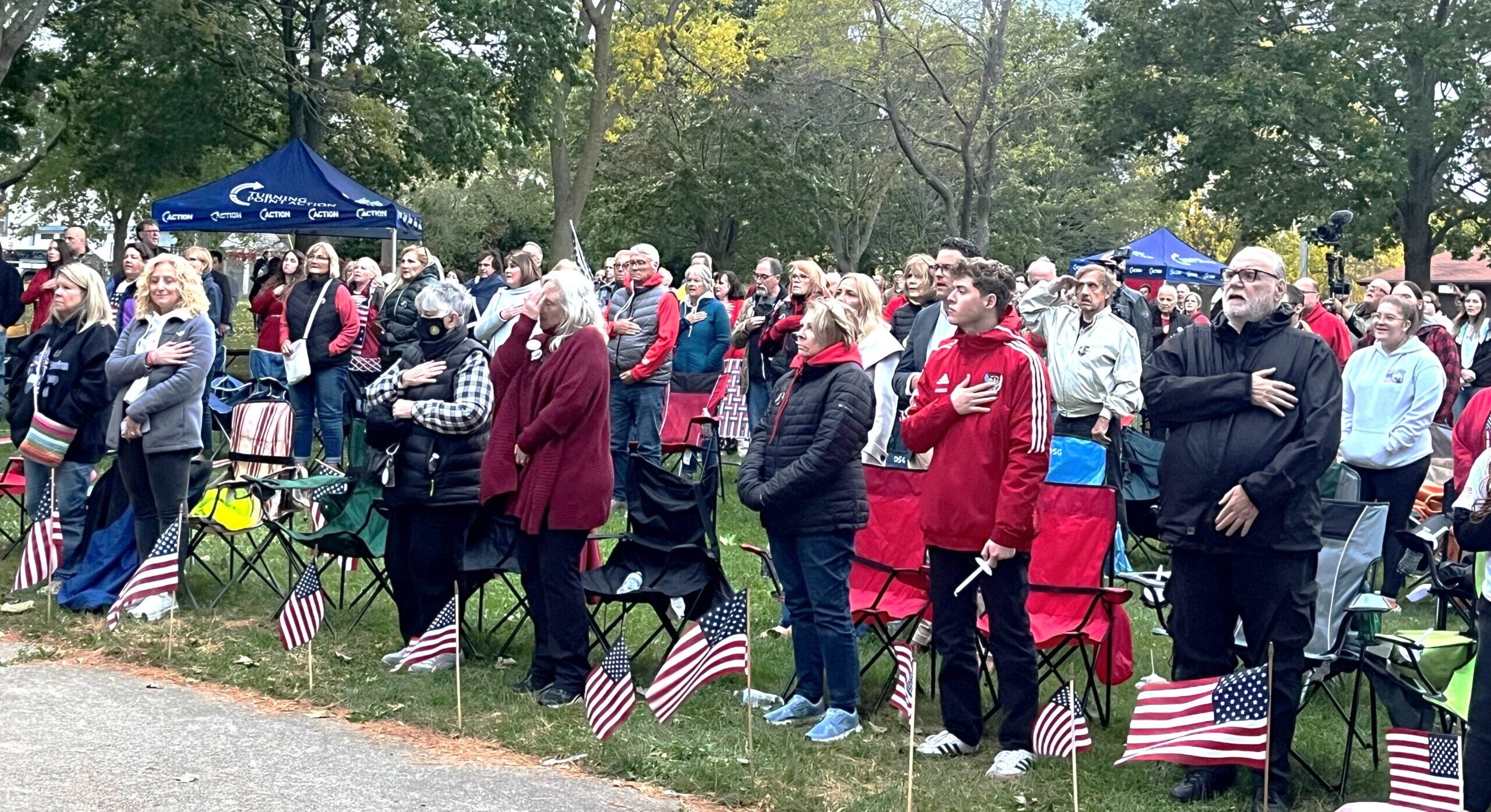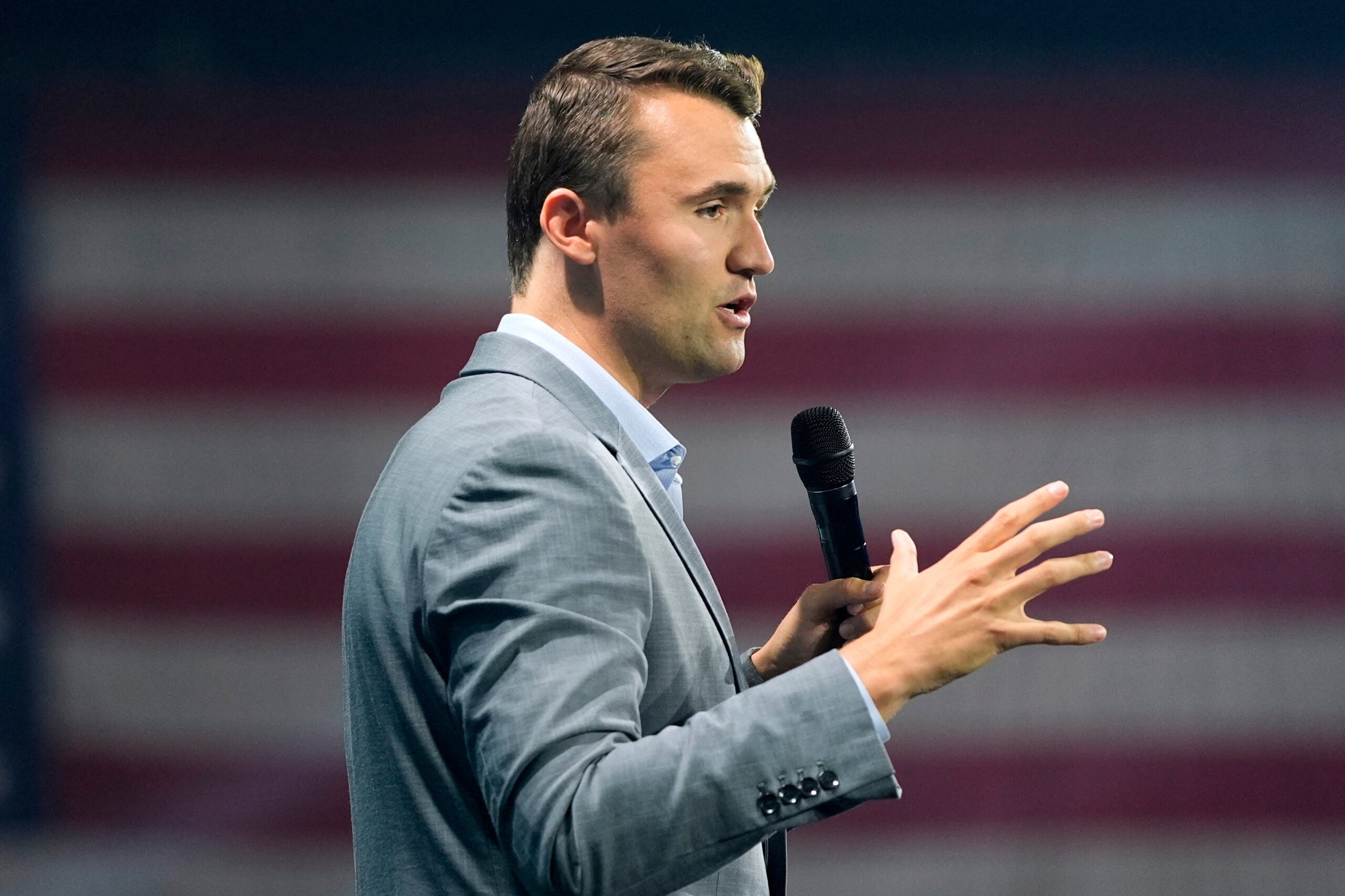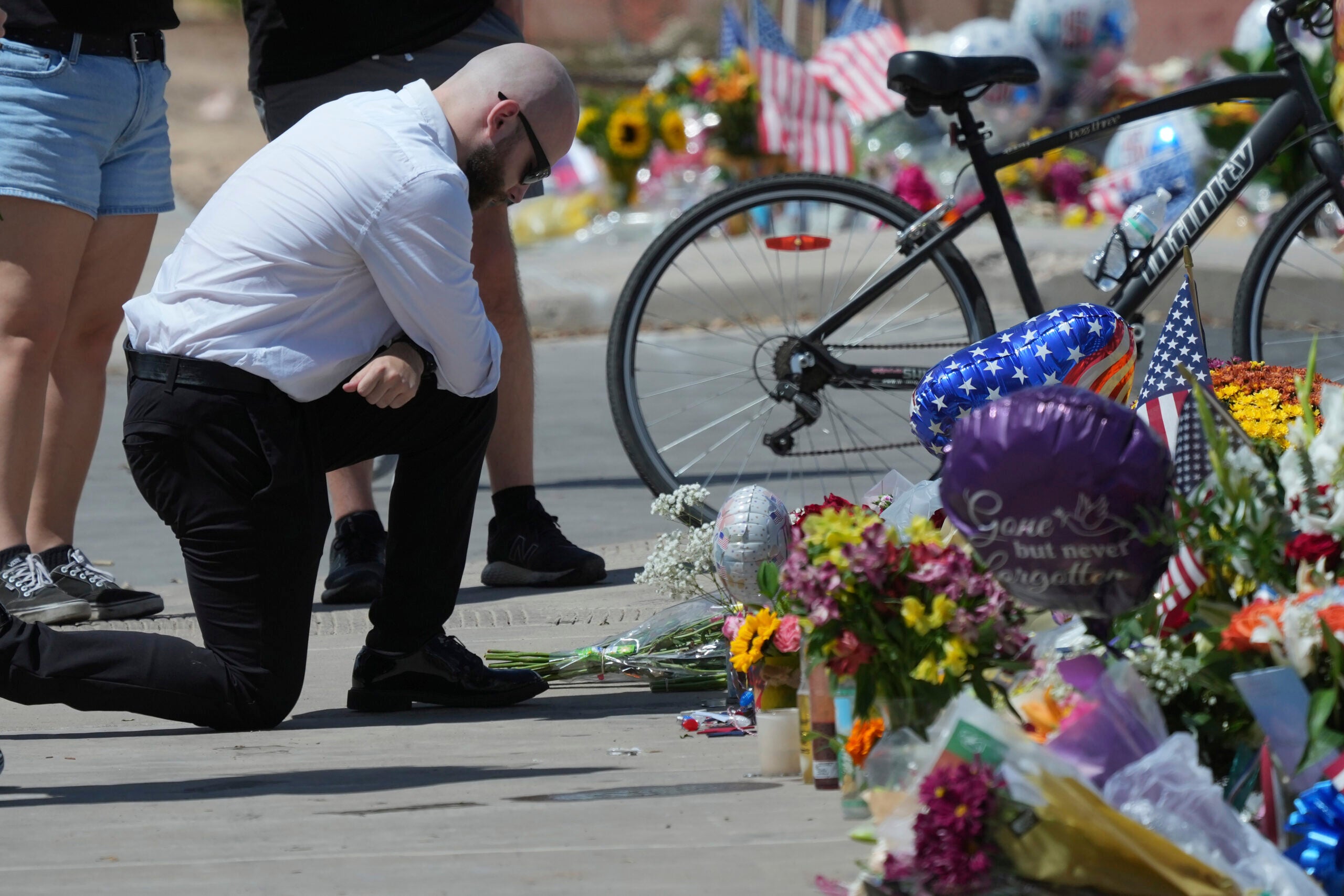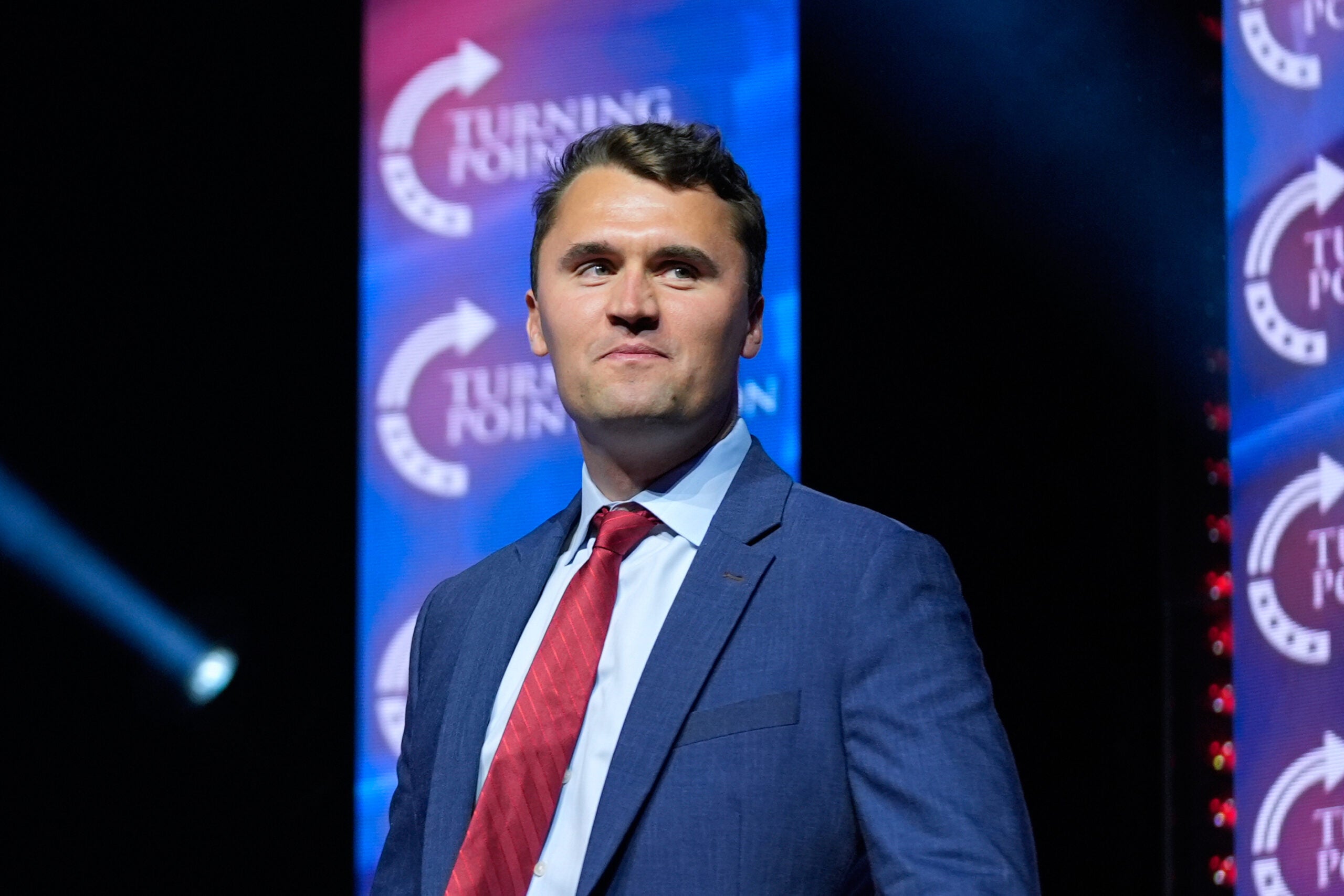
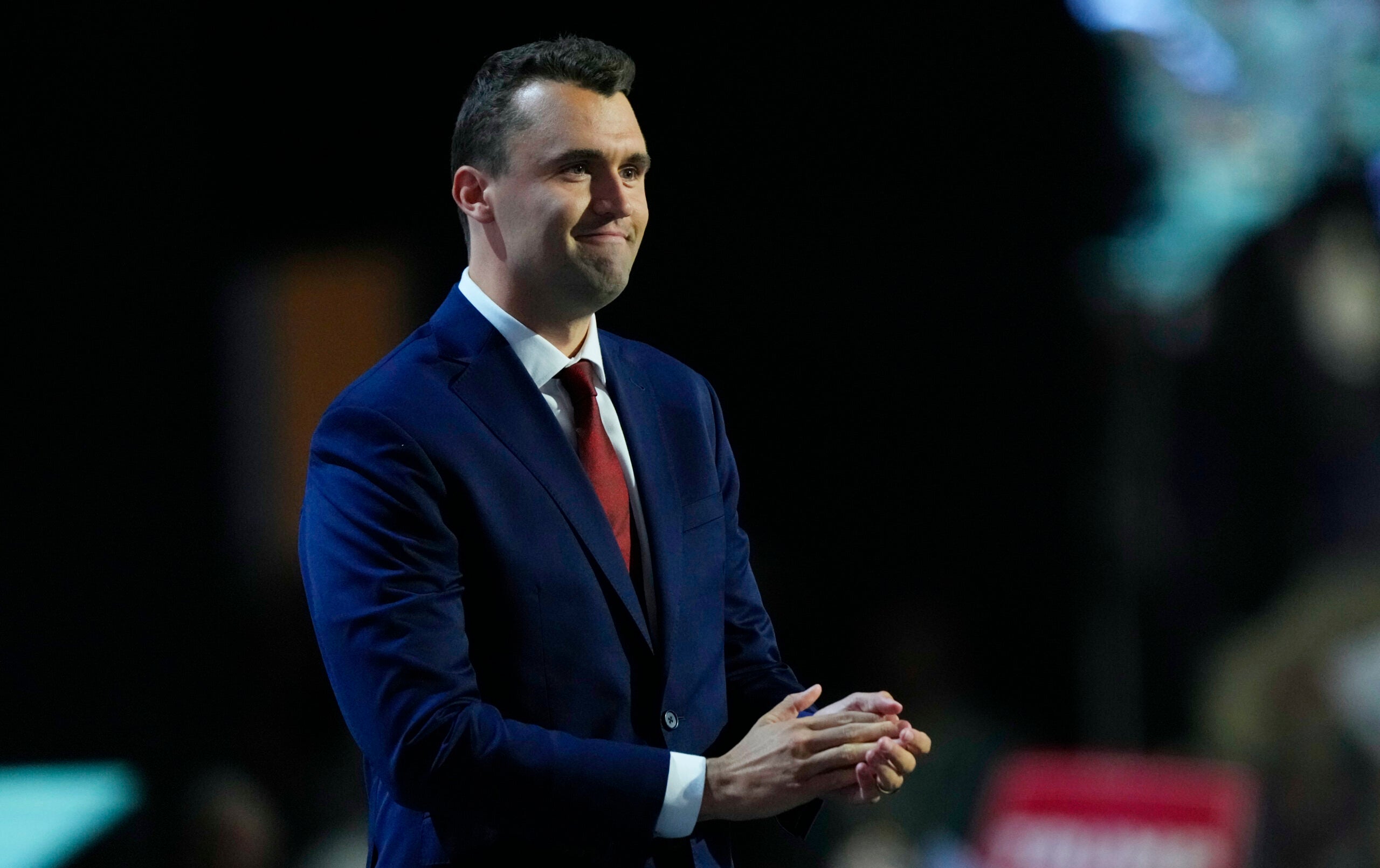
Since the assassination of Charlie Kirk, Nicholas Jacobs and many of his friends have felt on edge.
A student at the University of Wisconsin-River Falls, Jacobs is the chairman of the Wisconsin Federation of College Republicans.
Many young conservatives like Jacobs were influenced by Kirk, who founded Turning Point USA, a nonprofit organization that advocates for conservative politics in high schools and colleges.
News with a little more humanity
WPR’s “Wisconsin Today” newsletter keeps you connected to the state you love without feeling overwhelmed. No paywall. No agenda. No corporate filter.
Kirk, 31, died after being shot during a question and answer session at a Turning Point USA event at Utah Valley University.
“When I heard about the horrific events on the 10th, it’s like: that could have been me. That could have been my friends, that could have been my best friends,” Jacobs told WPR’s “Wisconsin Today.”
Jacobs told WPR he became politically active in high school, ultimately interning for his local chapter of the Wisconsin Republican Party and founding a local chapter of Turning Point USA with a few friends in his high school. Jacobs said he has been politically active ever since.
In March, he was one of two recipients of a $1 million check from billionaire Elon Musk at a Green Bay rally for the state Supreme Court race that conservative Judge Brad Schimel later lost to liberal Judge Susan Crawford.
In the wake of Kirk’s assassination, Turning Point USA told CNN that it has received more than 50,000 inquiries to create new campus chapters.
Kirk had visited UW-Madison in September 2024 as part of his “You’re Being Brainwashed” college campus tour. He was also a speaker at the Republican National Convention in Milwaukee in July 2024.
Jacobs said figures like Charlie Kirk are more relatable for younger conservatives than elected officials.
“When you see somebody who’s not an elected official or not really in the party like Charlie Kirk, like Tucker Carlson — I think we look at these people and we can kind of see ourselves in them more easily,” Jacobs said. “So when something tragic happens, it hits home that much more.”

Jacobs said he and other young conservatives feel an obligation to continue Kirk’s efforts.
“I’ve had people that I didn’t even know were political at all join the College Republicans or join Turning Point or attend events or talk to me about politics, and the people that I do know are political are tenfold as active as they were prior,” Jacobs said. “People are going to make sure that that wasn’t the end of anything.”
Kirk’s legacy is ‘evolving’ after killing, scholar says
Sam Martin studies conservative social movements at Boise State University. She told WPR that Kirk possessed a type of charisma similar to that of President Donald Trump.
“I think what Charlie Kirk did very well was understand that the primary playground for politics and culture in the United States right now is happening in the media,” Martin said. “Whether we’re talking about the internet, social media, podcasting. He really understood the power of media to create a movement and to draw people in across (different) constituencies and spaces.”
Kirk had a large following online, with nearly 5.5 million subscribers on YouTube and nearly 10 million followers on TikTok. Kirk hosted public events nationwide, inviting short-form debates on controversial topics which he would then post snippets of online.
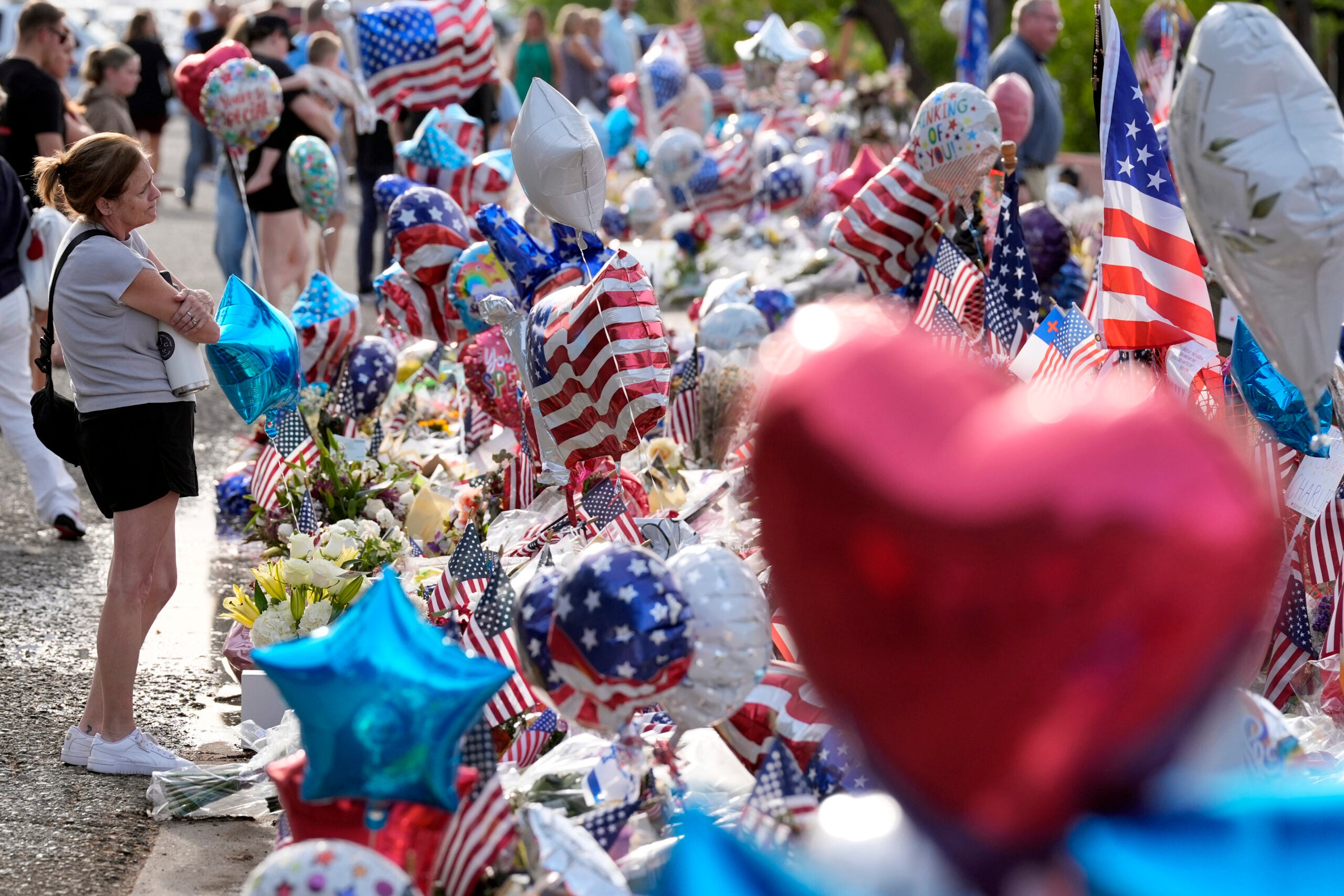
Videos released weeks before his death include “Why Do Democrat Women Want To Die Alone?”, “Charlie Kirk VS the Washington State Woke Mob” and “Gay Man Saved By Christ After 10+ Years of Homosexual Lifestyle.”
Kirk was a part of an online conservative ecosystem including other popular right-wing commentators like Ben Shapiro, Candace Owens and Matt Walsh.
Martin said the conservative online ecosystem is both insular and strident — and that Kirk was able to connect in particular with young, white men.
“There’s a really resonant conversation happening about what it means to be a white guy in the United States right now, and a discourse about being displaced, being less important or being told that their time is up,” Martin said. “He was able to articulate an experience of being excluded that really proliferates in those online spaces and that really draws particularly young men who feel, I think, angry about the status of things.”
Kirk was inflammatory at times, with Martin describing his rhetoric as “more adversarial and sometimes dehumanizing or cruel” than has been portrayed since his killing.
In March 2024, Kirk claimed the “great placement theory” was underway at the U.S.-Mexico border, invoking a racist theory that argues that Jewish people or elites are conspiring to replace white Americans with non-white people. The following month, Kirk called for a “Nuremberg-style trial” for doctors performing gender-affirming care for transgender people.
In 2023, Kirk said that it is increasingly common for “prowling Blacks” to target white people in America’s urban areas.
“I argue that Charlie Kirk and that right-wing infrastructure, it’s a kind of identity politics,” Martin said. “It just sounds different than the identity politics that we often get on the left.”
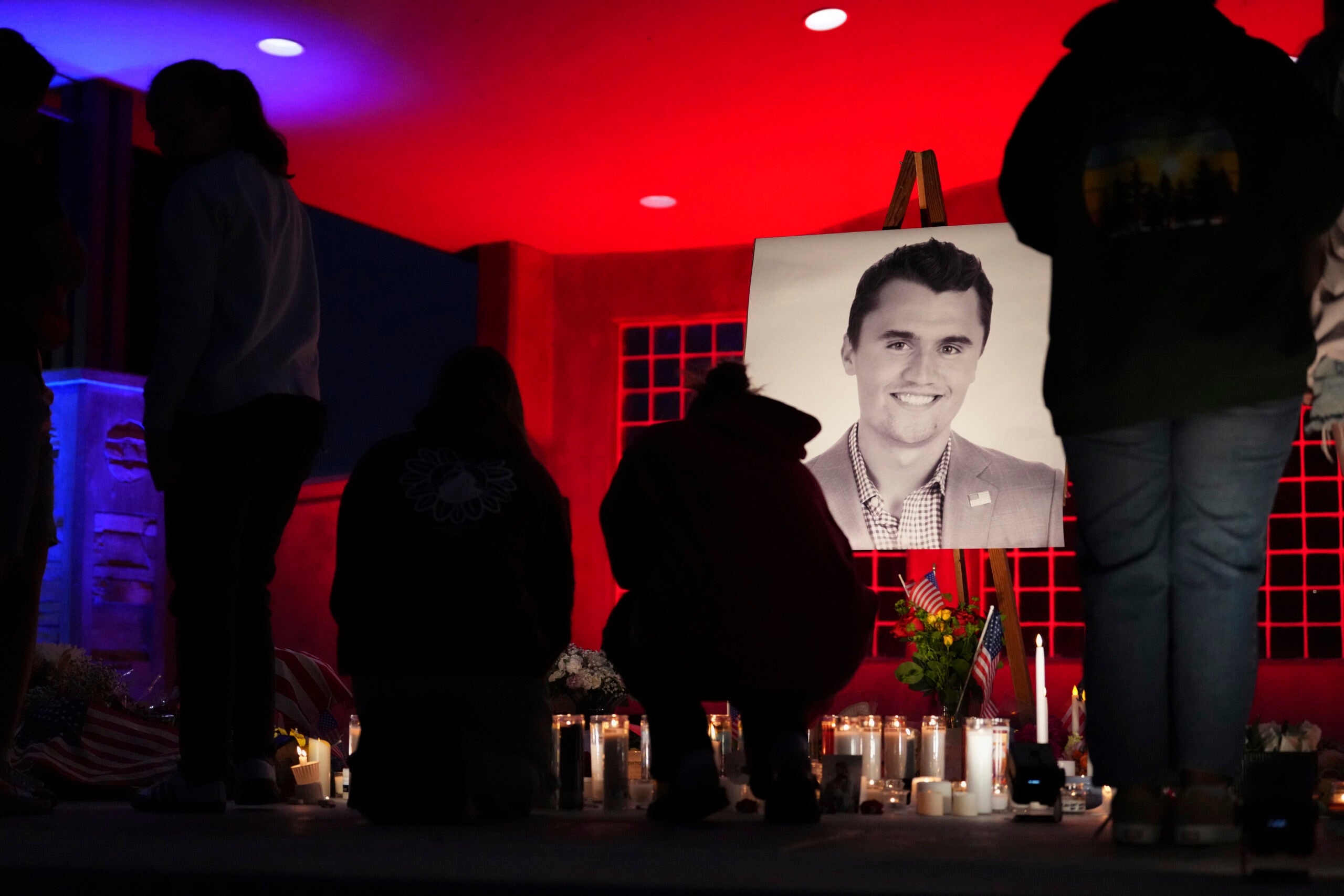
Martin said she’s watching to see if the memory of Charlie Kirk can ultimately lead to improved communication across the political aisle after Kirk’s widow, Erika, delivered a unifying message at his memorial Sunday.
“If the ethos surrounding Mr. Kirk becomes the dominant narrative — where people remember him as an on-the-level interlocutor who was really genuinely trying to have good conversation — (and) if Turning Point USA grasps onto that and begins to forward a kind of engagement that can vociferously disagree with the other side but do so in a way that really does try to seek deliberative connection … I think it could be pretty extraordinary,” Martin said.