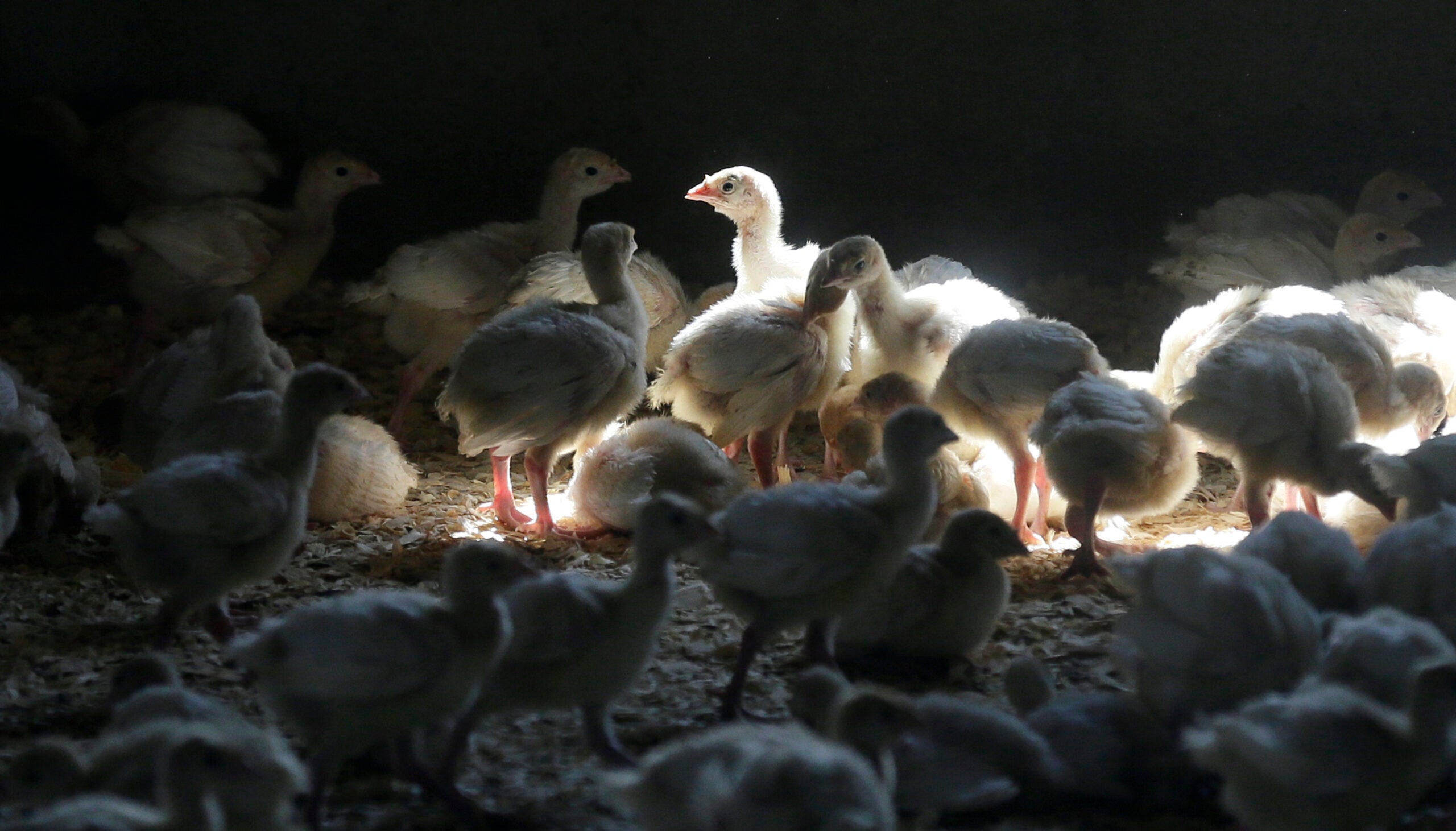
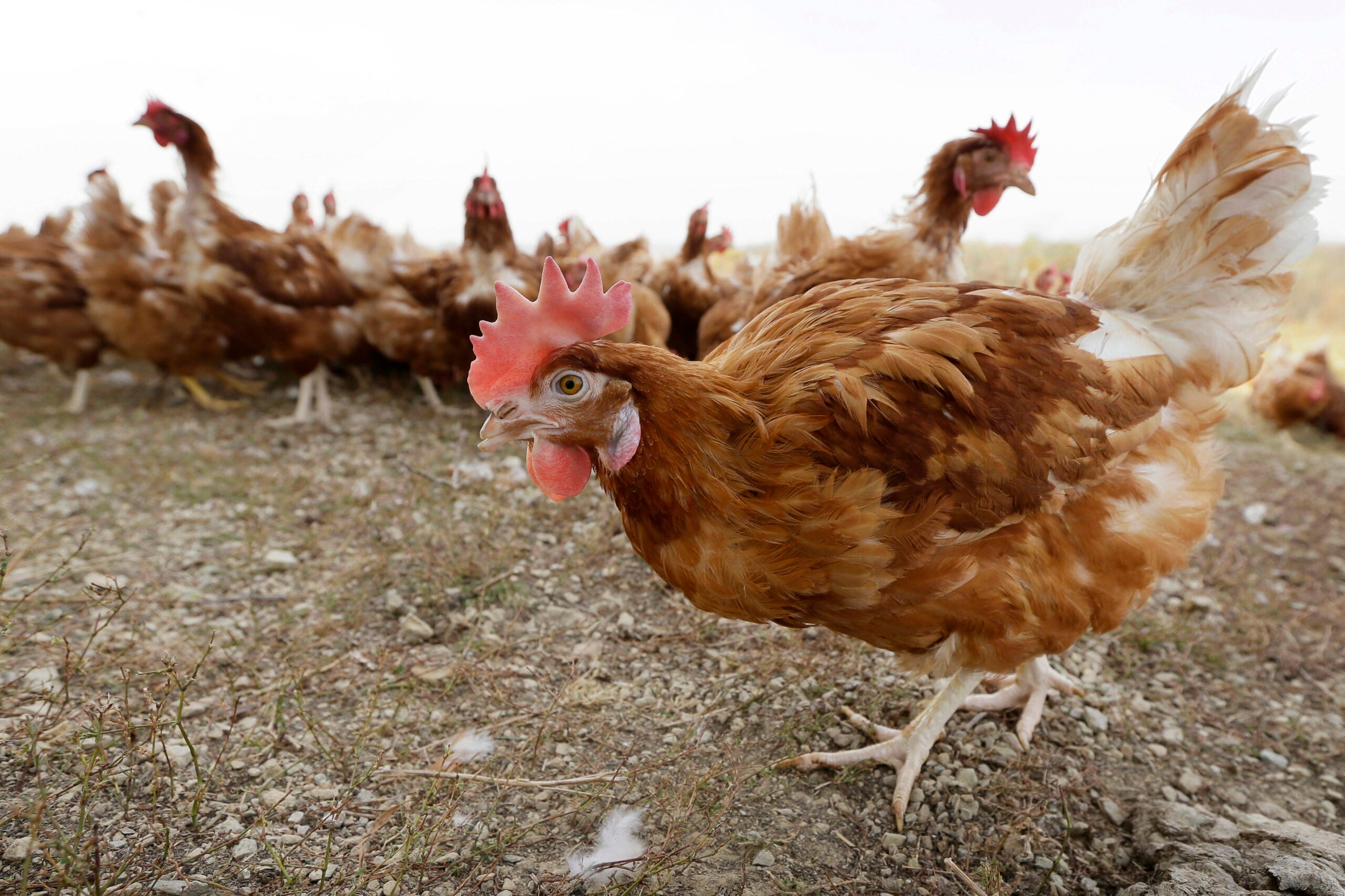
A commercial poultry farm in Jefferson County must cull its flock of 3 million birds after tests confirmed the presence of highly pathogenic avian influenza.
The Wisconsin Department of Agriculture, Trade and Consumer Protection announced the detection of the H5N1 virus on Thursday. The agency is working with the U.S. Department of Agriculture to contain the virus. The commercial egg-laying operation in the village of Palmyra has been quarantined to limit movement of the birds and spread of the disease.
State Veterinarian Darlene Konkle said the farm spotted signs of the virus and alerted ag officials. The cause of the infection has not yet been determined.
“They started seeing some initial death loss and believe they caught it fairly early,” Konkle said. “We’re working with them to develop plans from here to control the disease.”
The agency said Friday that the farm is owned by Daybreak Foods, Inc. Daybreak Foods is the nation’s fourth-largest egg producer with 17 million hens across their farms in the Midwest, according to the company’s website. The egg-laying operation previously contracted the virus in 2022 under different ownership.
Konkle said there’s no threat to the food supply since birds are inspected before they’re processed. Jefferson County Public Health is monitoring farm workers for signs of the virus. To her knowledge, Konkle said none have tested positive for the virus so far.
It’s the state’s first detection of avian flu since April. Konkle noted the nation has seen an uptick in cases of highly pathogenic avian influenza. In the last 30 days, outbreaks have been confirmed at 21 poultry flocks affecting 630,000 birds, according to the USDA. The Centers for Disease Control and Prevention has confirmed 70 cases of people who have contracted the virus and one death. Overall, the risk to the public remains low.
Konkle said there’s more opportunities for the virus to spread in the spring and fall when wild birds are migrating. The virus is widespread in wild birds and that’s caused outbreaks among poultry flocks and dairy herds.
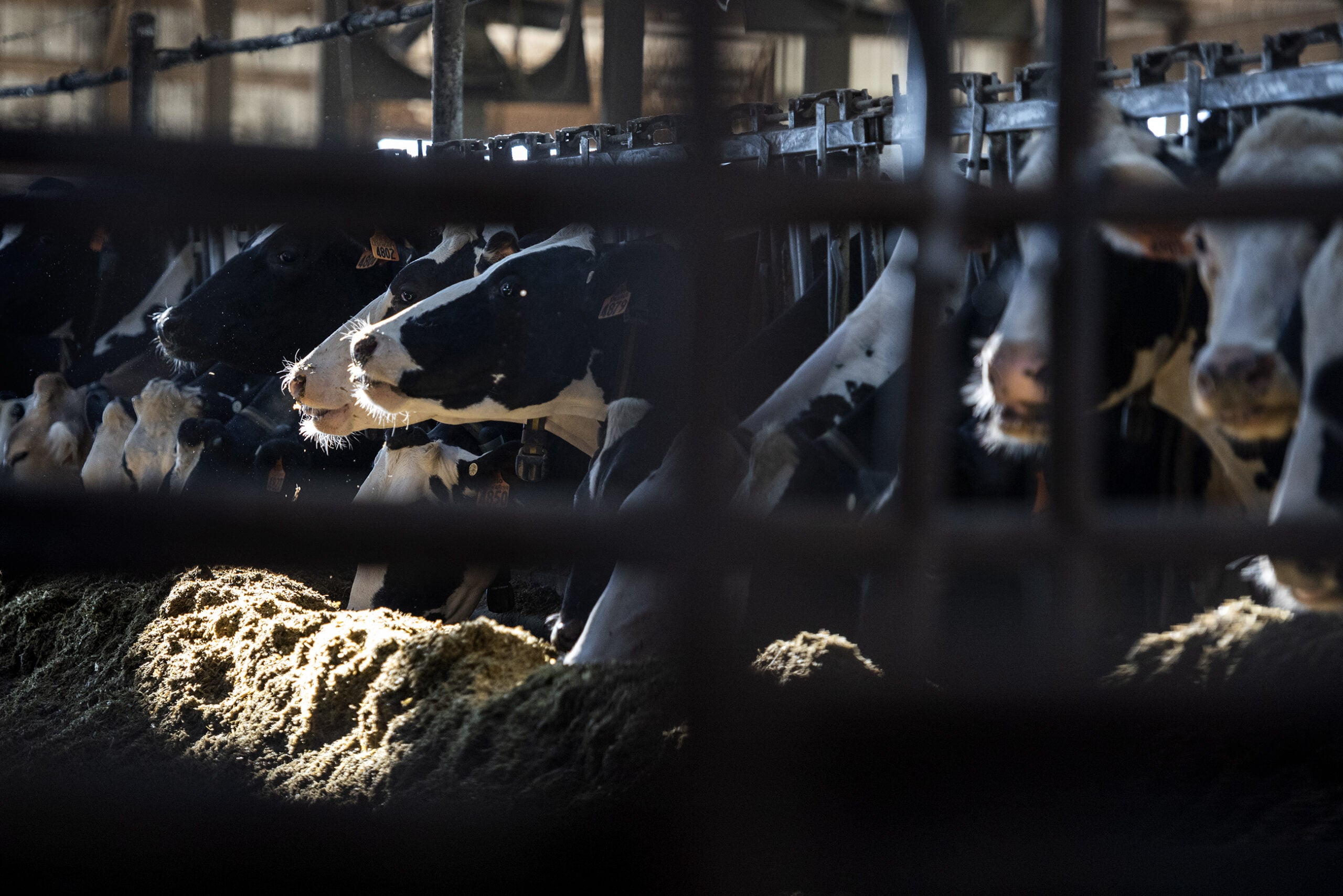
However, the virus has not been detected in dairy cows in Wisconsin. The state began mandatory milk testing for avian flu earlier this year. Wisconsin has collected more than 18,000 milk samples from nearly all the state’s licensed dairies with no signs of the virus.
DATCP is working with the flock’s owners to develop a plan for culling and disposal of the birds.
“We will perform the depopulation with assistance from the farm personnel and farm veterinarians as quickly as possible to avoid spread of the virus,” Konkle said.
Birds at the Jefferson County farm will likely be disposed of through composting. State ag officials have said that’s the safest and most effective way to handle a large number of birds.
Wisconsin has seen 19 cases of avian flu in commercial and backyard flocks and at least one human case since the current strain was first detected in the state in 2022.

News with a little more humanity
WPR’s “Wisconsin Today” newsletter keeps you connected to the state you love without feeling overwhelmed. No paywall. No agenda. No corporate filter.
Wisconsin Public Radio, © Copyright 2026, Board of Regents of the University of Wisconsin System and Wisconsin Educational Communications Board.