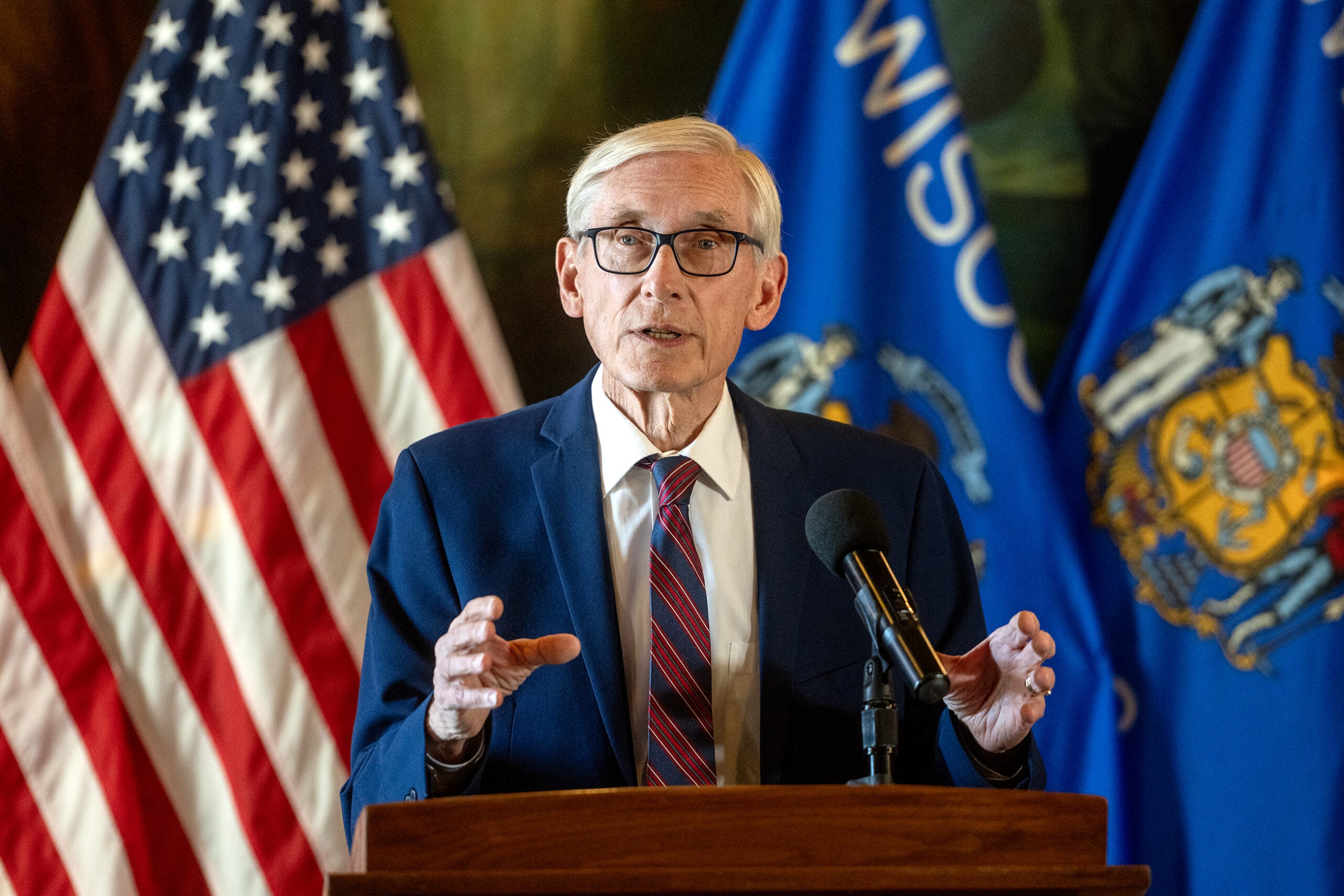

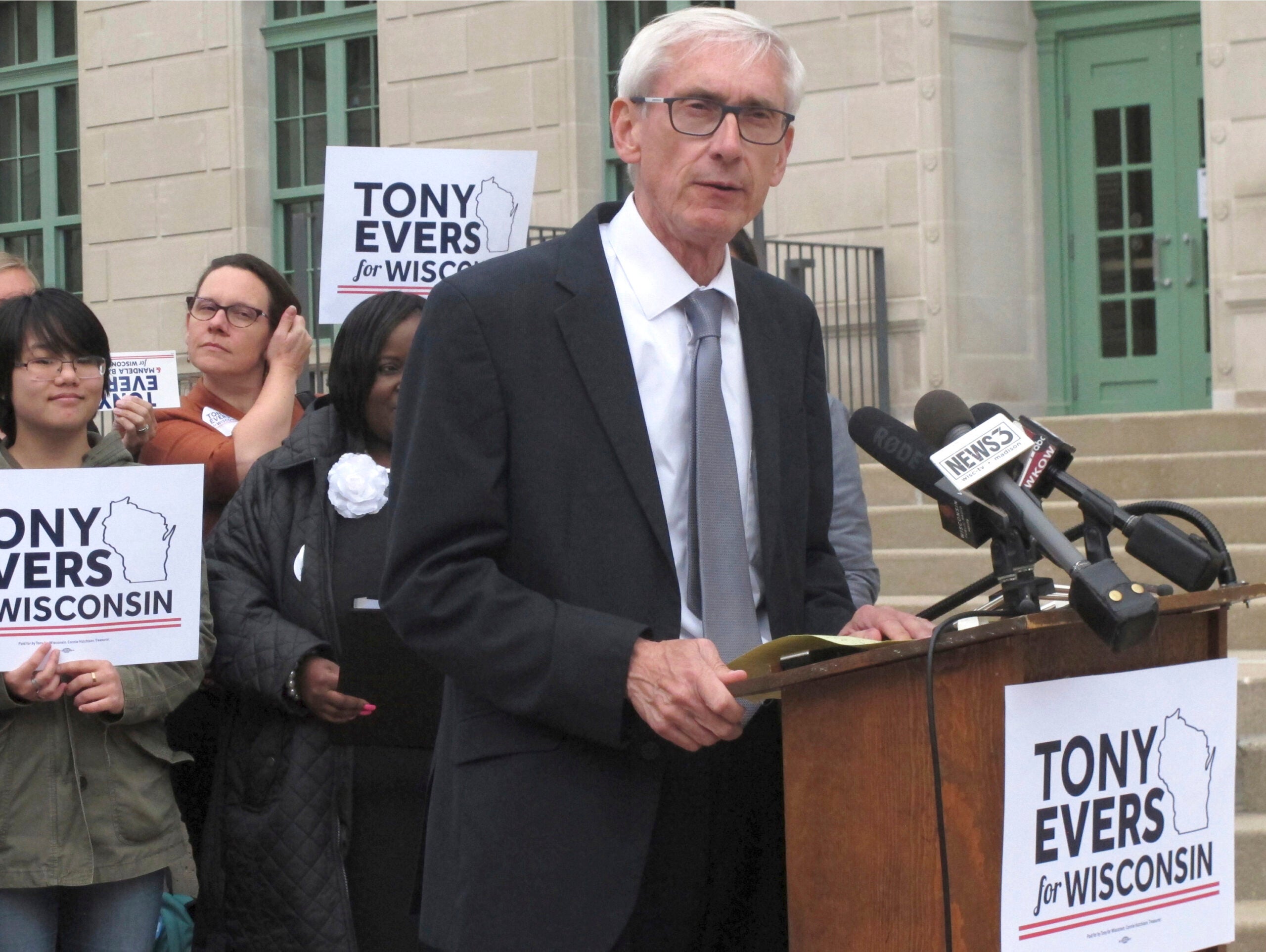
As Democratic Gov. Tony Evers prepares for his final year in office, advocates are urging to him use a type of power that Wisconsin governors have left untouched for decades.
They want him to hand down commutations, a form of clemency used to reduce sentences for people who’ve been convicted of crimes.
Under the Wisconsin Constitution, governors can use commutations to cut back someone’s prison sentence. Commutations can also be used to reduce someone’s time on parole or extended supervision.
News with a little more humanity
WPR’s “Wisconsin Today” newsletter keeps you connected to the state you love without feeling overwhelmed. No paywall. No agenda. No corporate filter.
Republican Tommy Thompson was the most-recent Wisconsin governor to use his commutation power, issuing seven commutations before leaving office in 2001.
Since then, Republican Scott McCollum, Democrat Jim Doyle, Republican Scott Walker and Evers have all kept up a commutation-free streak.
“The tough on crime era just trained both parties to see mercy as politically dangerous,” said Marianne Oleson an activist with Ex-Incarcerated People Organizing of Wisconsin. “That led to commutations being completely avoided and taken off the table.”
Evers isn’t seeking another term
Now that Evers has confirmed he’ll be retiring instead of seeking another term, many criminal justice reform advocates believe the time is right for him to reverse that trend.
“It’s really a time for him to leave a legacy, and he could leave a legacy of advancing racial and economic justice in this state,” said Mark Rice, a formerly incarcerated Wisconsinite who works for the criminal justice reform group WISDOM. “There is this huge racial injustice issue in the state where many Black people, brown people, Indigenous people, got really long, excessive sentences.”
The governor’s office did not respond to a list of questions from WPR.
Pardons don’t reduce Wisconsin’s prison population
Since taking office in 2019, Evers has issued more than 1,600 pardons — far more than any other Wisconsin governor.
Those pardons erase some of the consequences of a criminal conviction, such as restoring the right to own a firearm and allowing people to hold certain professional licenses.
But, unlike commutations, pardons do not cut short someone’s time in prison. As a result, pardons don’t do anything to shrink the number of Wisconsinites who are behind bars.
Evers campaigned on a promise to reduce Wisconsin’s prison population. At one point, he said he would support eventually cutting that population in half. But that hasn’t happened. Not by a long shot.
“A lot of the grassroots organizations that supported him in his run to the governorship feel disappointed,” said David Murrell, an organizer with WISDOM who was formerly incarcerated. “And so this (commuting sentences) is an opportunity for him to keep his word.”
Evers hasn’t realized campaign promise to reduce the state’s prison population
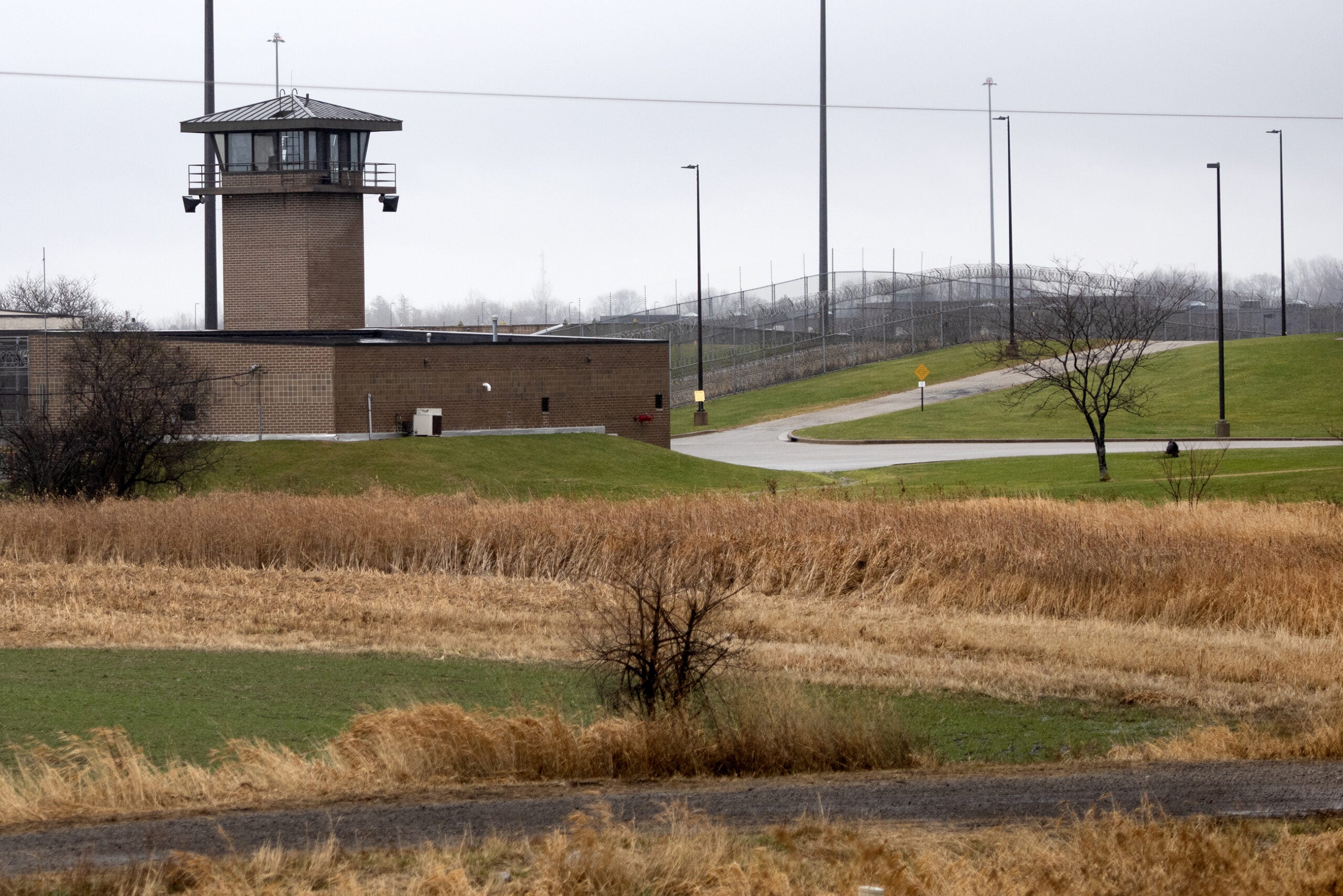
On the week Evers took office in January 2019, there were 23,292 adults locked up in Wisconsin prisons. That number dipped during the height of the COVID-19 pandemic, before spiking again in recent years. In the first week of December 2025, the number of adults in the state’s prisons had risen to 23,339, according to a recent point-in-time report from the Wisconsin Department of Corrections.
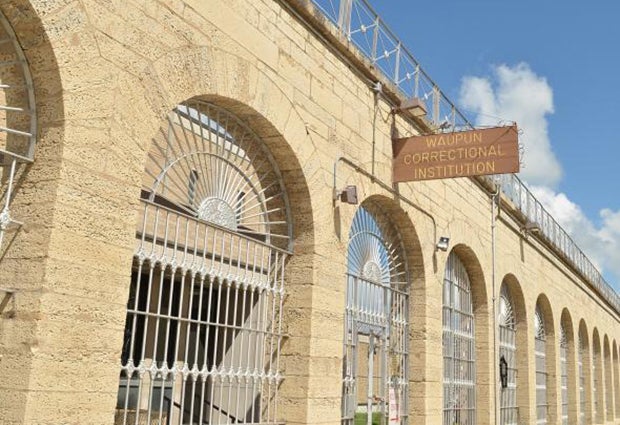
In all, the number of Wisconsinites locked up in state prisons has more than tripled since 1990. Meanwhile, Wisconsin prisons are struggling with overcrowding. As of early December, the adult prison population was over capacity by more than 5,600 people compared to what it was designed for, according to DOC figures.
Evers has included a host of criminal justice reform proposals in state budget requests, ranging from expanding early release programs to raising the age at which the criminal court system treats Wisconsinites as adults to 18. (Wisconsin is one of a few states where 17-year-olds are automatically charged as adults.)
But Wisconsin’s Republican-controlled Legislature has removed many of those proposals.
Still, as Murrell points out, commutations are something the governor can do unilaterally.
“Right now this is the best recourse he has — it’s commute,” Murrell said. “You’re on your way out, you’re not going to run again. We don’t know who’s coming in office.”
Who should be prioritized for commutations?
WISDOM has a commutation committee aimed at advancing the issue. Evers’ office did not respond to a question about who should be prioritized for commutations, if the governor does decide to pursue them.
Oleson said she believes the governor could start with incarcerated people who are under what’s known as “community custody.” Those are people who are allowed to leave their minimum-security prisons for work-release programs. That can include working at places like factories and even driving vehicles.
Amanda Merkwae, a lobbyist with American Civil Liberties Union of Wisconsin, said she believes the governor should focus on commuting the sentences of people serving time for crimes they committed as children. That includes people who were charged as adults when they were 17. She also said the governor should prioritize commutations for Wisconsinites who are sick or elderly, as well as for some people who are currently on extended supervision or parole.
Those groups are at lower risk of reoffending, she said.
Merkwae also pointed to the human and financial costs of keeping roughly 23,000 Wisconsinites in prison while more than 60,000 Wisconsinites are being monitored under probation, parole or extended supervision.
“There’s always a risk of of recidivism,” Merkwae said. “But is that fear worth all of the other collateral consequences of not taking this action?”
Options for reducing sentences are limited
Outside of commutations, the options for Wisconsinites trying to shave time off their prison sentences are limited.
Some Wisconsinites who committed crimes before the year 2000 are eligible for parole, in which a parole commission determines whether and when someone should be released from prison into the community with extra supervision.
Wisconsinites who committed crimes in the last 25 years are subject to a law called “truth in sentencing.” Under that system, a judge gives someone a sentence that typically includes a range of time that person must spend in prison followed by a range of time that person must spend under extended supervision once they’re released. In some cases, judges can decide when that person is sentenced that they’ll eventually be eligible for early release if they complete programming such as substance abuse treatment.
Incarcerated Wisconsinites can also apply for what’s known for compassionate release. That’s a form of sentence modification, in which a judge agrees to let someone out early on the basis of their advanced age or because they’re seriously sick.
But it’s rare for those applications to be granted. And the legal process is costly, Oleson noted.

Oleson spent five years in Wisconsin prisons after being sentenced for selling fake Facebook stock. She’s now under extended supervision until 2033. After that, she is sentenced to five years probation.
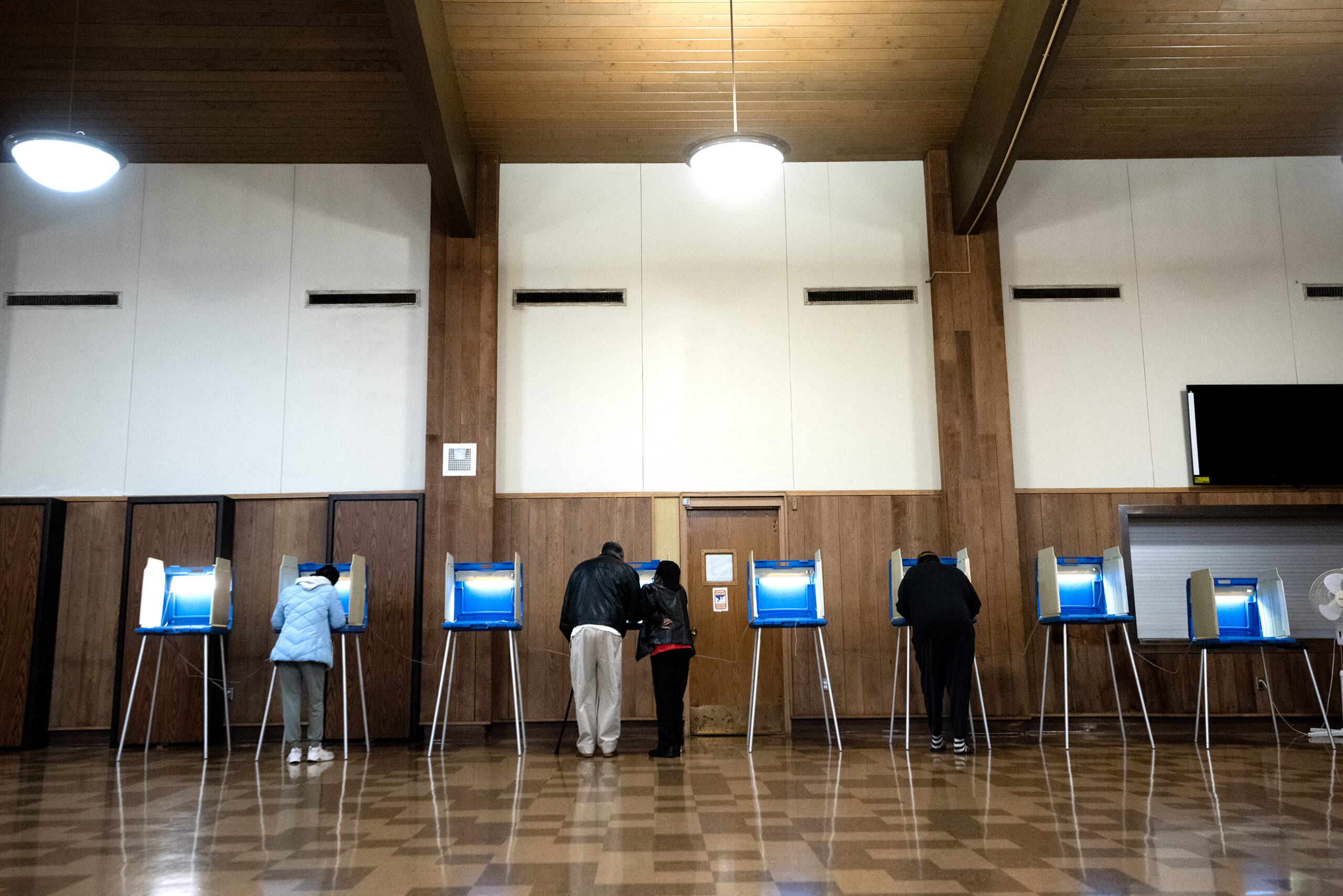
While she’s under that supervision, Oleson cannot vote. She also has to check in regularly with a DOC agent and can’t leave Wisconsin without prior authorization.
“I have a very elderly mother who lives out of state and, if she were to need me quickly, I would not be able to leave until my agent gave me written permission,” Oleson said.
Oleson has emailed Evers’ office, asking how she can apply for her time on community supervision to be commuted. Instead of details about commutation, she received a reply with information about the process for applying for a pardon.
In Wisconsin, people can only apply for a pardon once at least five years have passed since completing their sentence, including time on probation and extended supervision. In other words, Oleson won’t be eligible for that until 2043.

Wisconsin Public Radio, © Copyright 2026, Board of Regents of the University of Wisconsin System and Wisconsin Educational Communications Board.