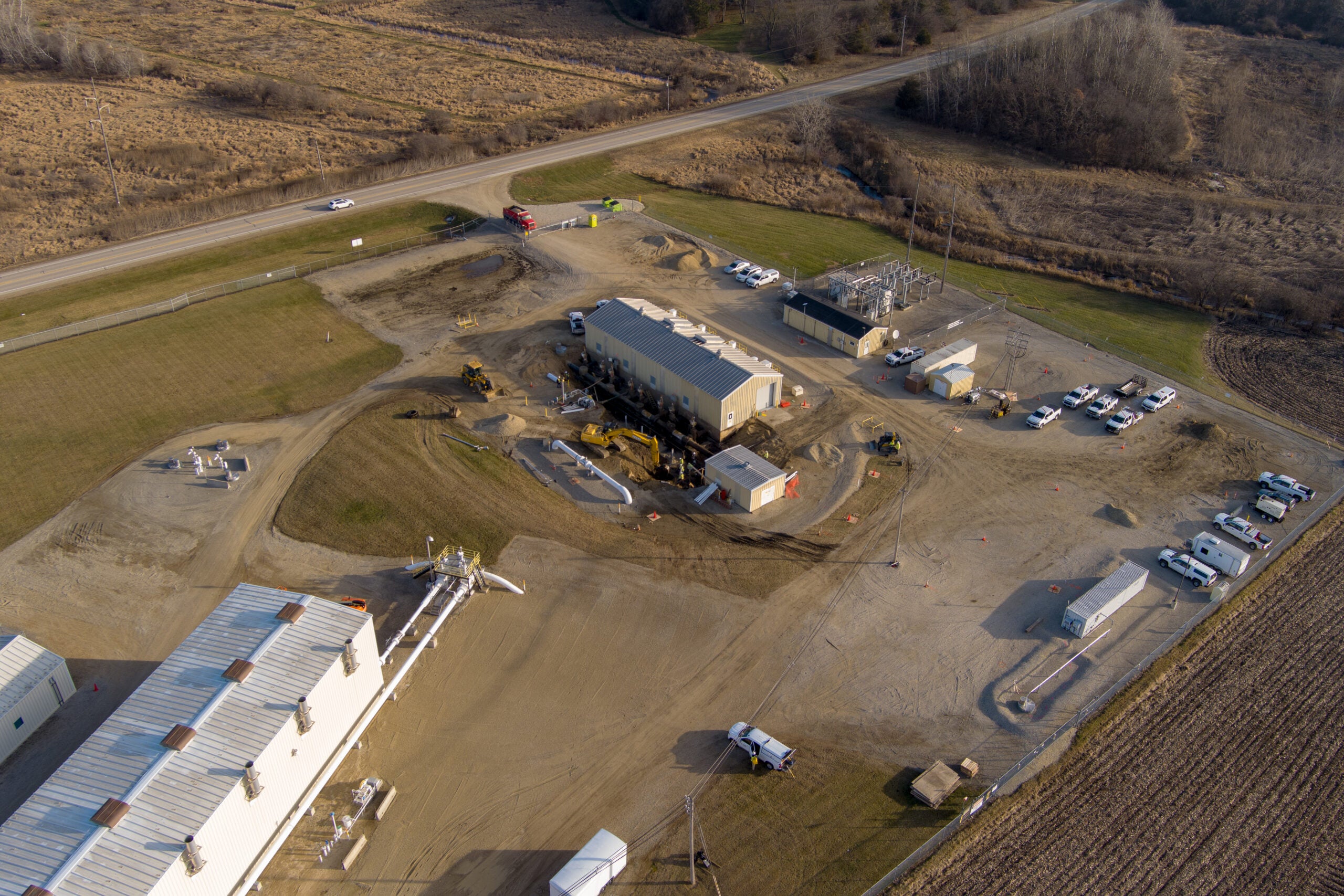
As of Monday, 18,000 gallons of crude oil mixed with rain water have been removed from the site of a train derailment in Dodge County, according to the state Department of Natural Resources.
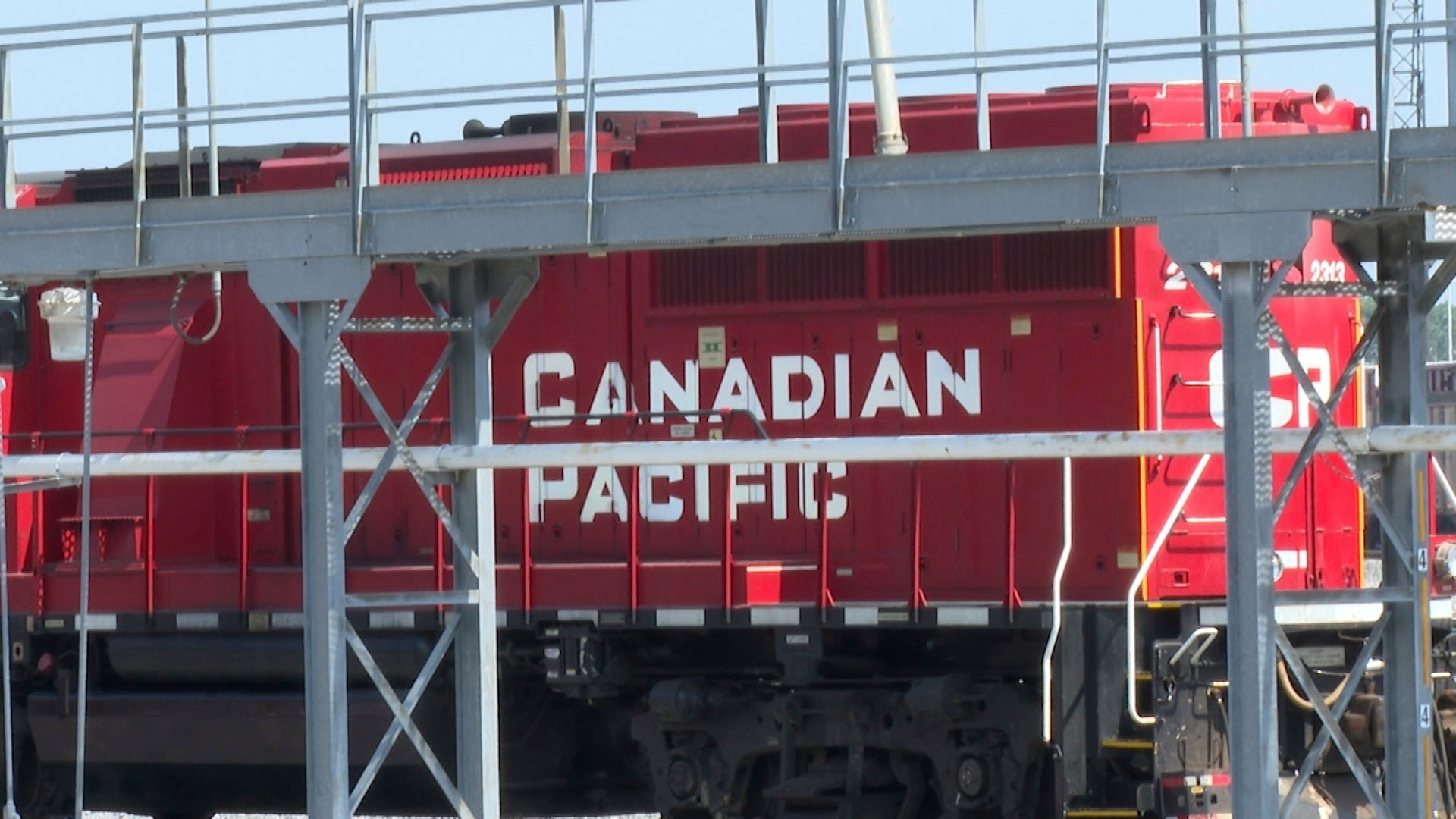
On Friday, 22 cars on a 90-car Canadian Pacific Kansas City train came off the tracks near Reeseville in Dodge County. One of those cars lost 60 percent of the crude oil it was carrying, and others continued to leak.
Maizie Reif is the spills and site assessment team leader for the DNR’s spill team. The department oversees cleanup of hazardous spills like this. She said the official estimate of how much oil was removed from the site will likely be revised.
News with a little more humanity
WPR’s “Wisconsin Today” newsletter keeps you connected to the state you love without feeling overwhelmed. No paywall. No agenda. No corporate filter.
“When we’re working on spills like this, it’s approximate. It’s a lot of educated guesses, so (the number) will likely change,” she said on WPR’s “Wisconsin Today.”
The DNR is still determining if the oil contaminated soil or groundwater. Reif said that once the oil and train cars are removed, soil and water sampling will begin. The samples will determine if cleanup is complete, or if more investigation needs to be done.
Canadian Pacific Kansas City, as the responsible party, will foot the bill for the cleanup, Reif said.
In a statement CPKC spokeperson Terry Cunha said environmental and hazardous materials teams remain on site working on the clean-up and removal of derailed cars. Clean up work to fully remediate the site and remove the rail cars will be ongoing in the coming days.
This is the second train derailment in Dodge County since 2023. The earlier derailment was almost in the exact same spot, carrying grain and potash, a mineral used in agriculture to make fertilizer.
Jake Pacala is the village president of Reeseville and a volunteer firefighter for the Clyman-Lowell-Reeseville fire department. He was at the crash site most of the day Friday.
“The wreck itself was obviously otherworldly, between cars strewn about and the oil pools, it was an incredibly bizarre scene to witness. But from my perspective as a village president, it was incredibly helpful to have that kind of in-depth understanding of what the situation was on the ground,” Pacala said.
The village is holding a public meeting Wednesday at 6:30 p.m. to discuss damages and long-term solutions to the derailments in the area.
“It’s frustrating, obviously extremely concerning. I know the residents are frustrated and angry following a second incident in what appears to be the exact same spot,” he said.
The National Transportation Safety Board had five investigators on site for the crash, according to a statement from spokesperson Peter Knudson. They gathered information like maintenance and inspection records, witness statements, any available surveillance or photos, background on crew and even weather forecasts.
A preliminary report will be available within 30 days. A probable cause of the crash along with any contributing factors will be detailed in the final report, which is expected in 12-24 months, according to the NTSB.
Editor’s note: This story has been updated to include a statement from Canadian Pacific Kansas City railway. The headline was updated to reflect the removal of both oil and rainwater from the derailment site.