
Mayors from cities along the Mississippi River have announced a new multinational agreement at the Paris Climate Conference that works to reduce the impacts of climate change on the world’s rivers.
Mayor Chris Coleman of St. Paul was one of the five mayors from the Mississippi River Cities & Towns Initiative who worked with representatives from Europe, Africa and Asia to develop an agreement to preserve the world’s river basins.
He said sharing ideas with other basins around the world helps every community contribute to the preservation of water resources.
News with a little more humanity
WPR’s “Wisconsin Today” newsletter keeps you connected to the state you love without feeling overwhelmed. No paywall. No agenda. No corporate filter.
“There’s a lot of things that we can do as mayors of river towns to make sure that we’re doing the best practices relative to wastewater treatment, stormwater management,” he said. “Ideally, the water that we discharge into the river will be cleaner than the water that we took out of the river.”
Among several action items, the agreement calls on river basins to develop water monitoring systems, expand water treatment facilities and employ sustainable agricultural practices. Coleman said they’re important issues to focus on, given the impending impact of climate change.
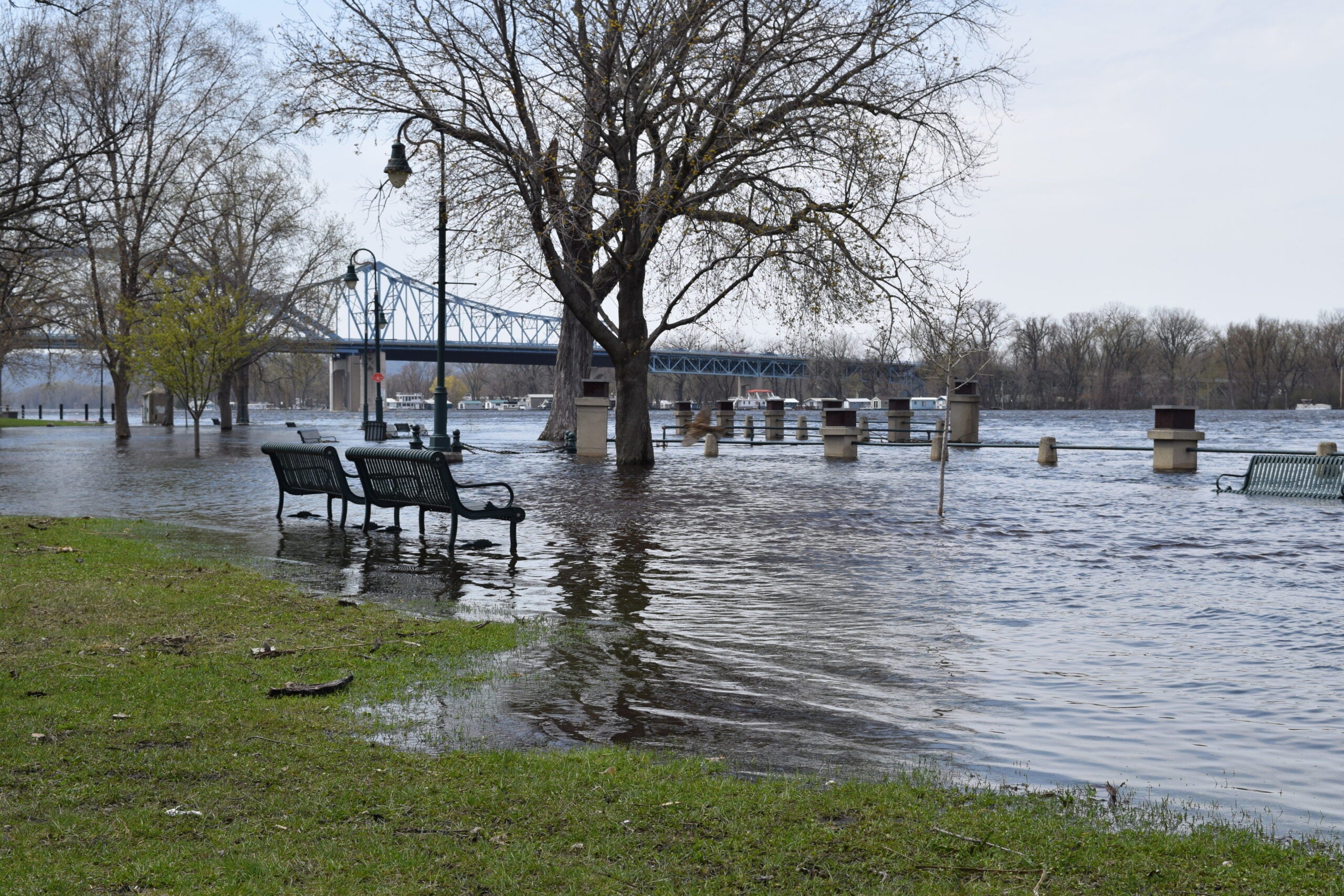
“The first victim of climate change is going to be water, as droughts or massive flooding occurs because of extreme fluctuations in weather,” Coleman said. “You’re going to have invasive species because waters are warmer than the have historically been, you have threats to navigation on the river, you have threats to the drinking water.”
The Mississippi River Cities & Towns Initiative says 35 percent of the world’s farmland lies within river basins, producing a majority of the global food supply and serving as a source of drinking water in many communities.

Wisconsin Public Radio, © Copyright 2026, Board of Regents of the University of Wisconsin System and Wisconsin Educational Communications Board.