It was artistic director Samuel Huberty’s dream to create a ballet theatre in Wisconsin.
“My wife and I moved back to the U.S. in October of 2023 and we felt: ‘We are young. We’re ready to do this,’” Huberty told WPR’s “Wisconsin Today.” “We felt like this was the appropriate time to be able to take a risk … to open a company and be able to produce our own works and productions and have a bit more artistic freedom.”
Huberty founded the Wisconsin Dance Theatre earlier this year in Elkhorn and aims to bring in dancers from all over the country. He and his wife, Jordan Curtin, founded the theatre’s corresponding conservatory in 2021 to teach ballet.
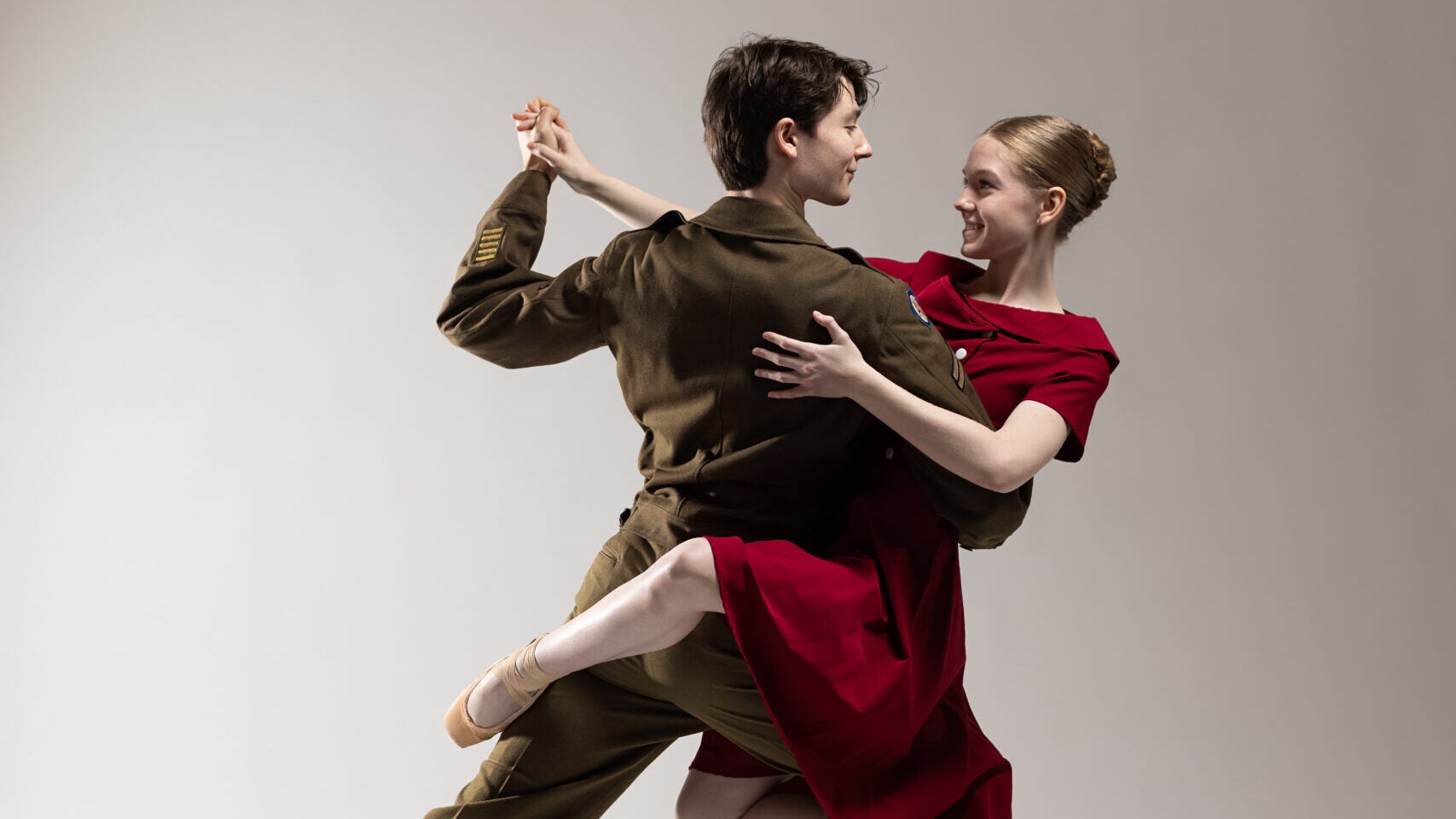
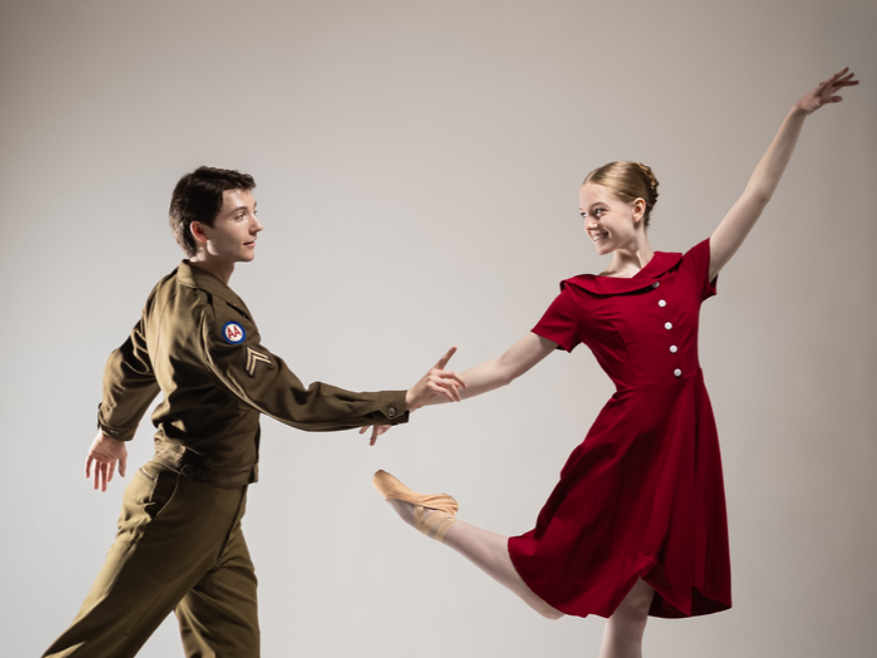
In addition to his work as artistic director for the Wisconsin Dance Theatre, Samuel is also the creator and a performer in the studio’s first original work, “A Hero’s Homecoming.”
News with a little more humanity
WPR’s “Wisconsin Today” newsletter keeps you connected to the state you love without feeling overwhelmed. No paywall. No agenda. No corporate filter.

Among the dancers is Samuel’s brother, Joseph. Both Joseph and Samuel are professional ballet dancers. Samuel recently returned from performing for the Jerusalem Ballet. Joseph is currently a dancer for the First State Ballet Theatre in Delaware.
The brothers’ journeys into ballet began with their time in their mother’s ballet studio in Elkhorn — the same town where the Wisconsin Dance Theatre’s first original production is set to debut July 12.
The brothers told “Wisconsin Today” about the new ballet theatre and what drew them together again for this new production.
The following was edited for clarity and brevity.
Kate Archer Kent: Samuel, what is the artistic vision for the new dance company?
Samuel Huberty: I’d love to be able to make works that I feel the public can relate better to.
Oftentimes, when we’re doing a show — if it’s something like “Sleeping Beauty” — it is about the French court system in 17th-century France. I think it’s becoming difficult to relate to for a lot of people. If you had watched that 200 years ago, royalty is still fairly relevant in the world.
The world’s changing. Things are evolving. And a lot of the classic stories, while they’re fantastic and they’re great, sometimes they’re difficult to relate to as an everyday person in a modern world. So what we’re doing is trying to produce works that are more accessible to people and provide them with more context that they understand naturally, that fits in better with their day-to-day lives.
KAK: Joseph, do you find that there are stigmas or barriers to break down for men in dancing?
Joseph Huberty: Ballet is a very small community. In my company that I dance with right now, there’s about 20 to 25 dancers in it, and half of them are men.
I can see that looking at it from the outside, maybe there is some sort of stigma about it, but I think it’s mostly due to a lack of understanding what the art form is and why men are in the art form.
If you look at “Sleeping Beauty,” that story can’t exist without men in it. The original story is, you know, the prince comes and wakes her up. There’s suitors. Men are part of that story and they’re very important in ballet. And I think that the stigma you talk about is due to the lack of understanding.

KAK: Samuel, tell us more about the story of “A Hero’s Homecoming” and how you’re bringing it to the stage.
SH: We took an odd approach to it. There isn’t inherently one main character. We’re following four different vignettes that all interact with each other.
World War II is fascinating. So many people are so interested in it because it was such a conflict of ideologies and so much change happened in such a short period of time.
Sometimes, when massive changes occur in your life, it takes a minute to adjust. But when that happens on a large scale with everyone around you? How do you fit back into your life?
If you had gone off to war … people changed culturally. Women were now going into factories and plants and working and now everyone’s come home. The war is done. So how does everyone fit back into society when all of the roles have now been changed and the game board’s kind of been flipped on its head?
KAK: Joseph, why join your brother and perform together?
JH: I don’t know the year that we last danced together, but it was at least five years ago. It’s good to have people to lean on who understand the struggles of being a man in ballet.
I am very excited to see what Sam does with all of this. He is like a visionary, basically, is how I’m going to put it. He gets these ideas and somehow, some way, he makes them work — no matter what gets in his way. It’s really amazing to watch. And I don’t think many people like him exist. It’s awesome to be able to call him my brother and I’m so proud of him for doing this.