What is the coolest thing made in Wisconsin?
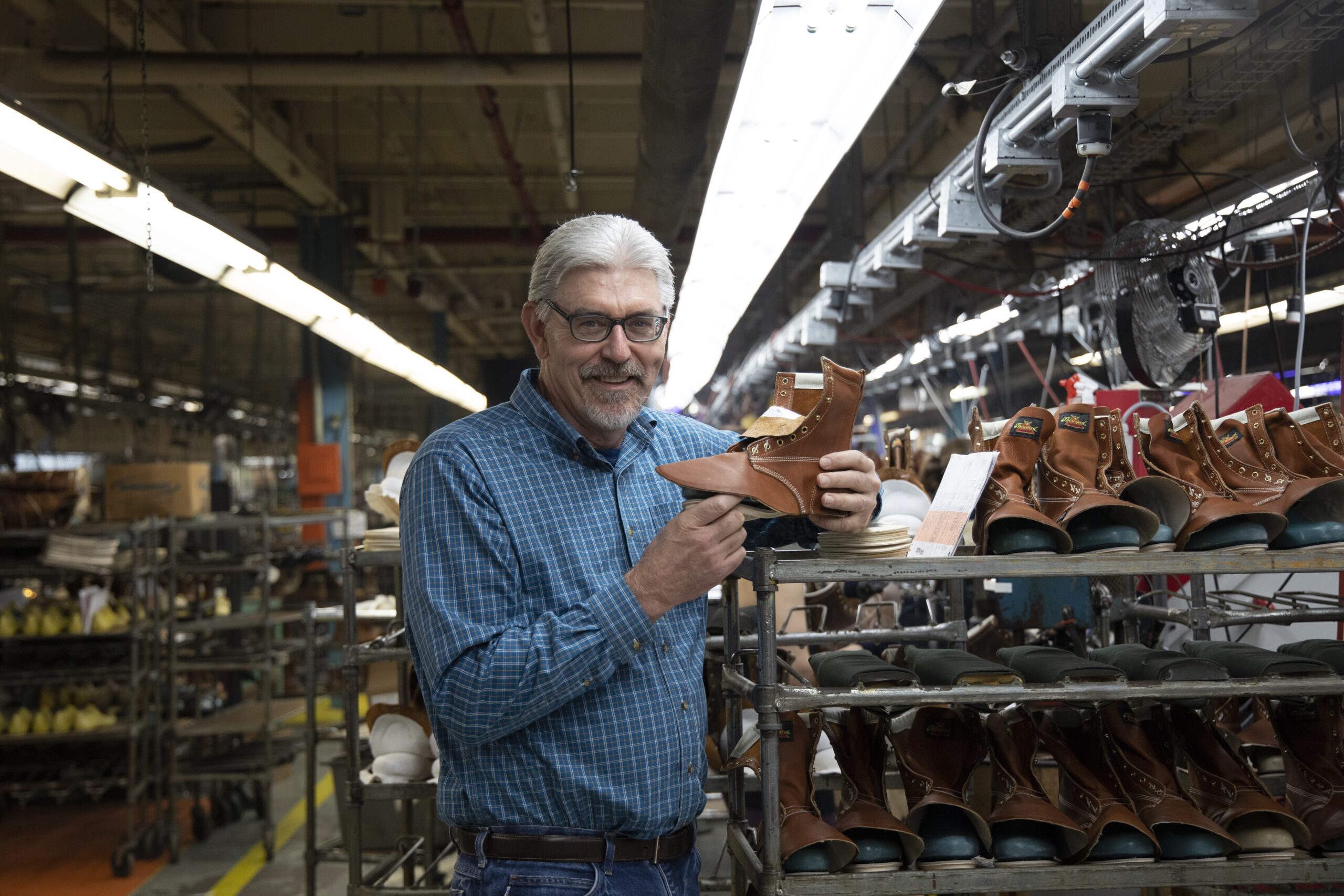
According to one competition this fall, a top contender is the Thorogood work boot. In October, the “American Heritage” boot was a finalist for this year’s “Coolest Thing Made in Wisconsin” contest, conducted by the business association Wisconsin Manufacturers & Commerce.
To become the “coolest thing,” voters picked from more than 100 nominated products. Other finalists included applewood smoked bacon, a bottleless water dispenser and a snow blower. The bottleless water dispenser won.
News with a little more humanity
WPR’s “Wisconsin Today” newsletter keeps you connected to the state you love without feeling overwhelmed. No paywall. No agenda. No corporate filter.
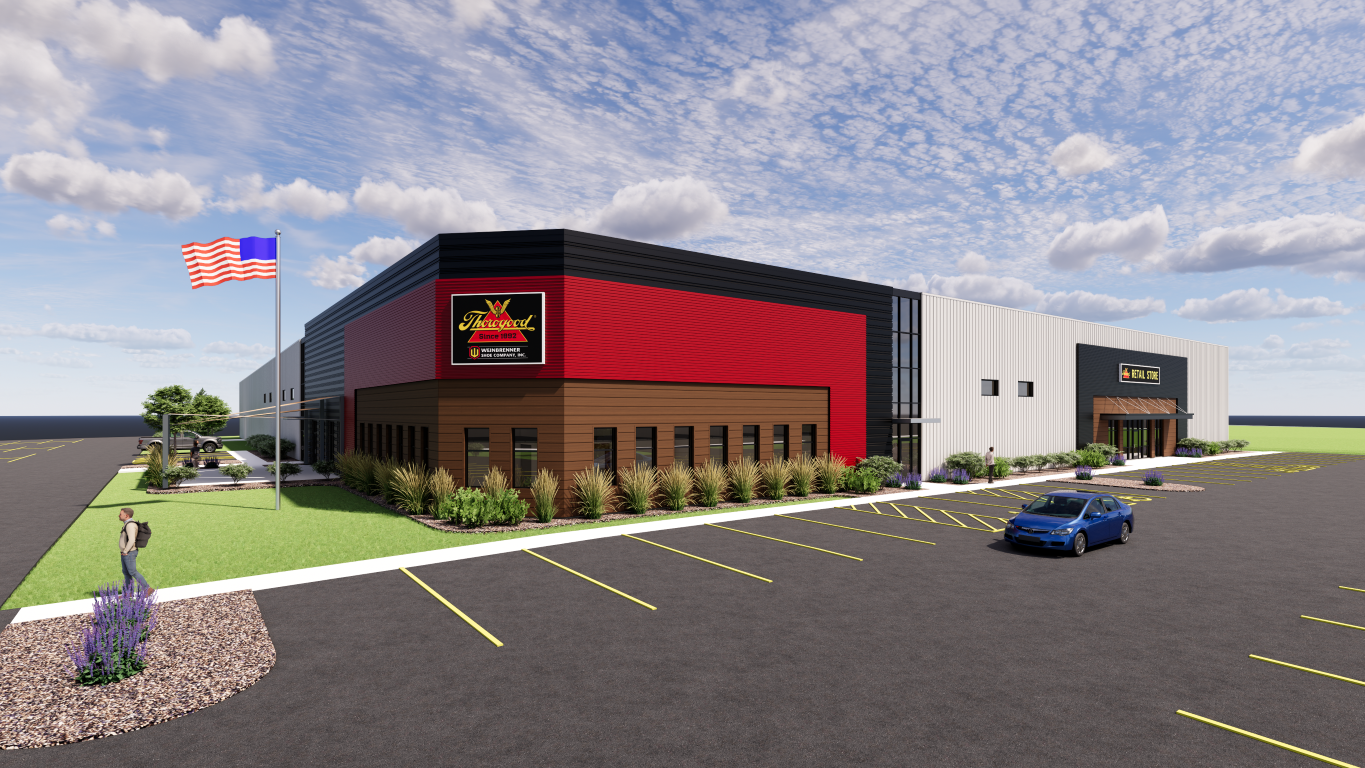
Thorogood work boots are made by the Merrill-based Weinbrenner Shoe Company. Jeff Burns, the company’s president, recently appeared on WPR’s “The Morning Show” and said he’s proud Thorogood boots have maintained a “classic, iconic look for over 100 years.
“I’m a little biased, but I think they’re very cool,” he said. “We get comments from all over the world. We have people who say they’ve actually been married in them. It’s not only a great look for a work boot but a great look for a lifestyle brand.”
On “The Morning Show,” Burns also discussed Wisconsin’s business climate, working with organized labor and caring for boots.
The following was edited for brevity and clarity.
Kate Archer Kent: What is the brand value of being made in Wisconsin?
Jeff Burns: There are not many footwear companies left in the United States. With the onslaught of imported products, a lot of shoe companies went out of business. We’ve been making shoes in the state of Wisconsin for 132 years. And that’s important. But unless the boot is really quality and a good boot, “Made in USA” doesn’t mean as much. When you put out the best boot in the world, people can wear it with pride.
KAK: What about materials? Can you get reasonable access to your raw materials that go into these boots? It would seem that it would be difficult if most of the shoes on our feet weren’t made here.
JB: That has been a little bit of a challenge. Like you said, 30 to 40 years ago when there were a lot of shoe companies in the country, there were a lot of component manufacturers in the country. And now that a lot of the shoe manufacturers are gone, the component manufacturers are gone. But we source the finest materials from all over the world, and then we make them here in Wisconsin.
If we feel like the better quality is out of, say, Italy, then we’ll source them out of Italy. But we demand USA hide. All of our leather is made in America because, quite frankly, the USA leather is the finest in the world. But we source the finest components from all over the world.
KAK: What about steel in steel toes? Where do you find that?
JB: There’s not a whole lot of manufacturers making steel toes. But we do find there are a couple left in the United States making steel toes. And there’s also a move to go to a composite safety toe. There are a couple of manufacturers in the United States that do that also.
KAK: How do you test and make these breakthroughs in new design and technology in your boots? Because it’s really make or break if they don’t work for consumers.
JB: There are standards that we have to comply with, (Occupational Safety and Health Administration) standards. But the thing that makes us a little unique is that a lot of footwear companies out there now have designers that can draw pretty pictures, and we’ve got designers who can draw pretty pictures, too. But we’ve also got shoemakers that know how to make a shoe. You’ve got people that can come up with a nice concept, but then we’ve got the people that actually know how to make the shoe.
KAK: It’s like artisans who have the technological know-how to put the footwear together.
JB: There’s no question. It takes 130 steps to make one of our boots. And if we fall down on any one of those steps, we could have an issue. There are a lot of things that have to happen and things have to come together to make what we think is the finest boot in the world. You’re right, we have craftsmen. We don’t have people who are just putting a bolt on here and a bolt on there. We’ve got people who actually are craftsmen and are taking great pride in making our boots.
KAK: Your website says Thorogood is employee-owned. Can you explain your business structure?
JB: We were owned by a large international company back in the ’80s. They were going to shut down these Wisconsin factories. We were going to be another statistic in the loss of American shoemaking.
But a local group of businessmen bought the company away from the international company and saved everybody’s jobs in these factories. Then in 2000, the businessmen sold it to the employees. Since then, we’ve been an employee-owned company, and we take great pride in that.
KAK: What is the role of unionization?
JB: We are a union factory. We’ve been a union factory since 1947, and we’re proud of the fact that we are union-made. When we went to an employee-owned company, the union chose not to become a part of the Employee Stock Ownership Plan. We match a 401(k) for our union people. Even though they’re not part of the employee-owned structure, they’re still a part of the Weinbrenner family, and they take pride in making the best boots in the world.
KAK: Next door in Minnesota there is Red Wing Shoes. I’m wondering: How do you handle the competition?
JB: We think Red Wing is a great company. They’ve been in business not quite as long as we have, but they’ve been in business a long time. They’re a good company, and it’s good competition.
And we support American manufacturing. When we hear of another company that’s gone out of business, it pains us because we don’t want to see our American shoe industry dry up. But our competition is healthy, and we feel like we make the best boots in the world, and we put pride into what we make.
KAK: What is the best way to care for boots?
JB: A boot is a skin. It’s a natural material. And if you keep moisture in the skins, they’ll last longer. If you don’t keep a polish on your footwear, you can have a tendency to dry out the leather. And that’s when the leather cracks.
KAK: What could improve the business climate here in Wisconsin?
JB: I think we’ve got to address affordable housing. That’s one of the things that we need to really look at here in this state. Our unemployment is very low, and the competition for employees is fierce. We’ve had to raise our labor rates considerably in the last couple of years just to compete with other manufacturers and other businesses. But I think that if we could address affordable housing, I think that would go a long way in bringing people to the state, so they could fill these jobs.

Wisconsin Public Radio, © Copyright 2026, Board of Regents of the University of Wisconsin System and Wisconsin Educational Communications Board.