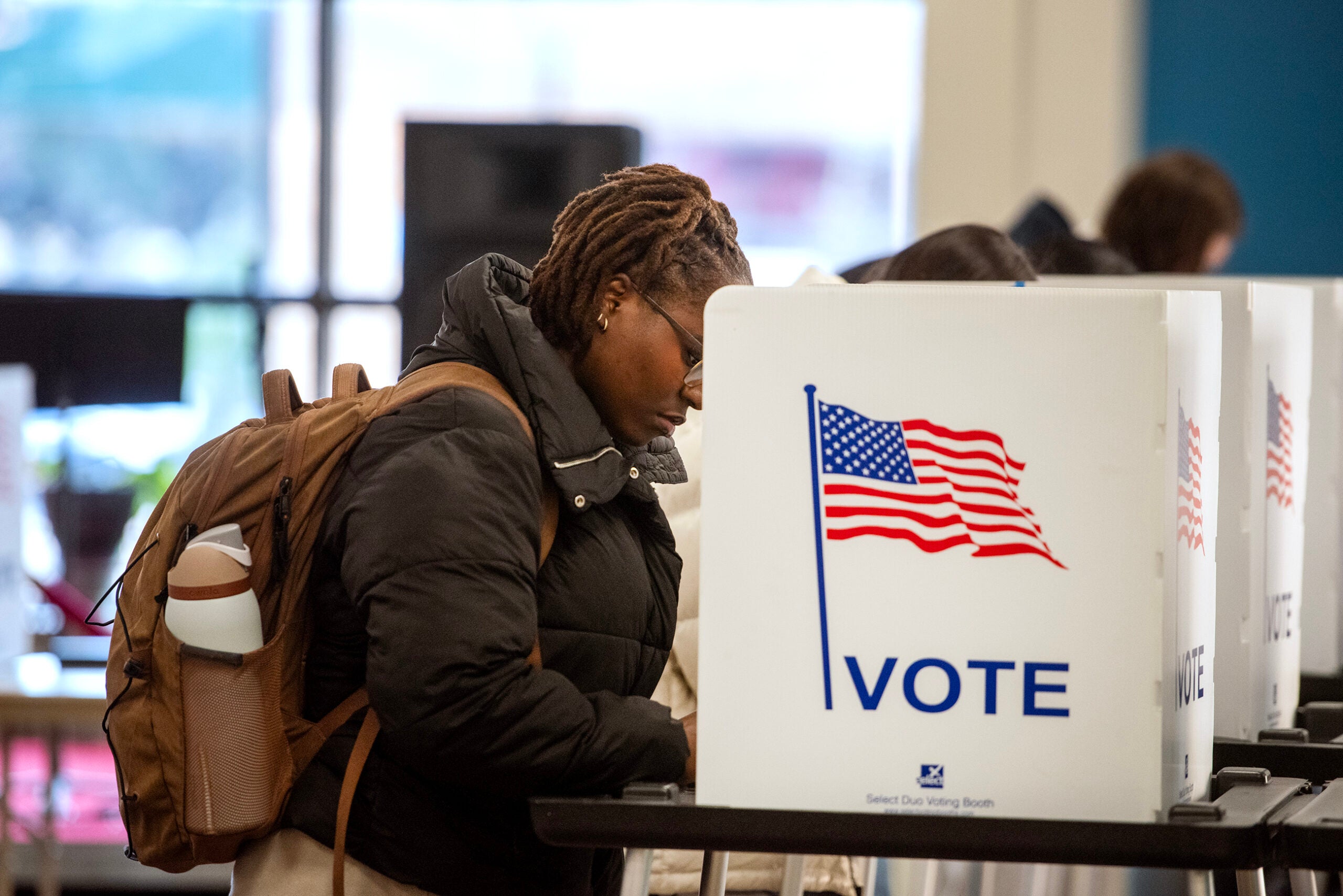
Targeted digital voter suppression advertisements from undisclosed organizations likely shaped turnout during the 2016 presidential election, a new study has found.
The ads mainly targeted Black, Native American and Latino potential voters living in battleground states like Wisconsin.
Three researchers from the University of Wisconsin-Madison and a professor who previously studied at the school authored the study.
News with a little more humanity
WPR’s “Wisconsin Today” newsletter keeps you connected to the state you love without feeling overwhelmed. No paywall. No agenda. No corporate filter.
The Proceedings of the National Academy of Sciences published the report Monday. It links user exposure data and individual voter turnout records to determine the targets of digital voter suppression and its impact on voter turnout.
Voter suppression is a political strategy used to demobilize or discourage certain populations from voting. It has historically targeted Black American communities and other people of color through violence, intimidation and legislation. But, the study argues, it has moved to the “digital sphere,” allowing for more precise targeting of communities.
The ads promoted third-party candidates, attacked same-party candidates or encouraged users to boycott the election entirely. Each was created by campaigns that did not report their activities to the Federal Election Commission or the Internal Revenue Service. Some ads came from the Russian Internet Research Agency, a disinformation campaign operation supported by the Kremlin.
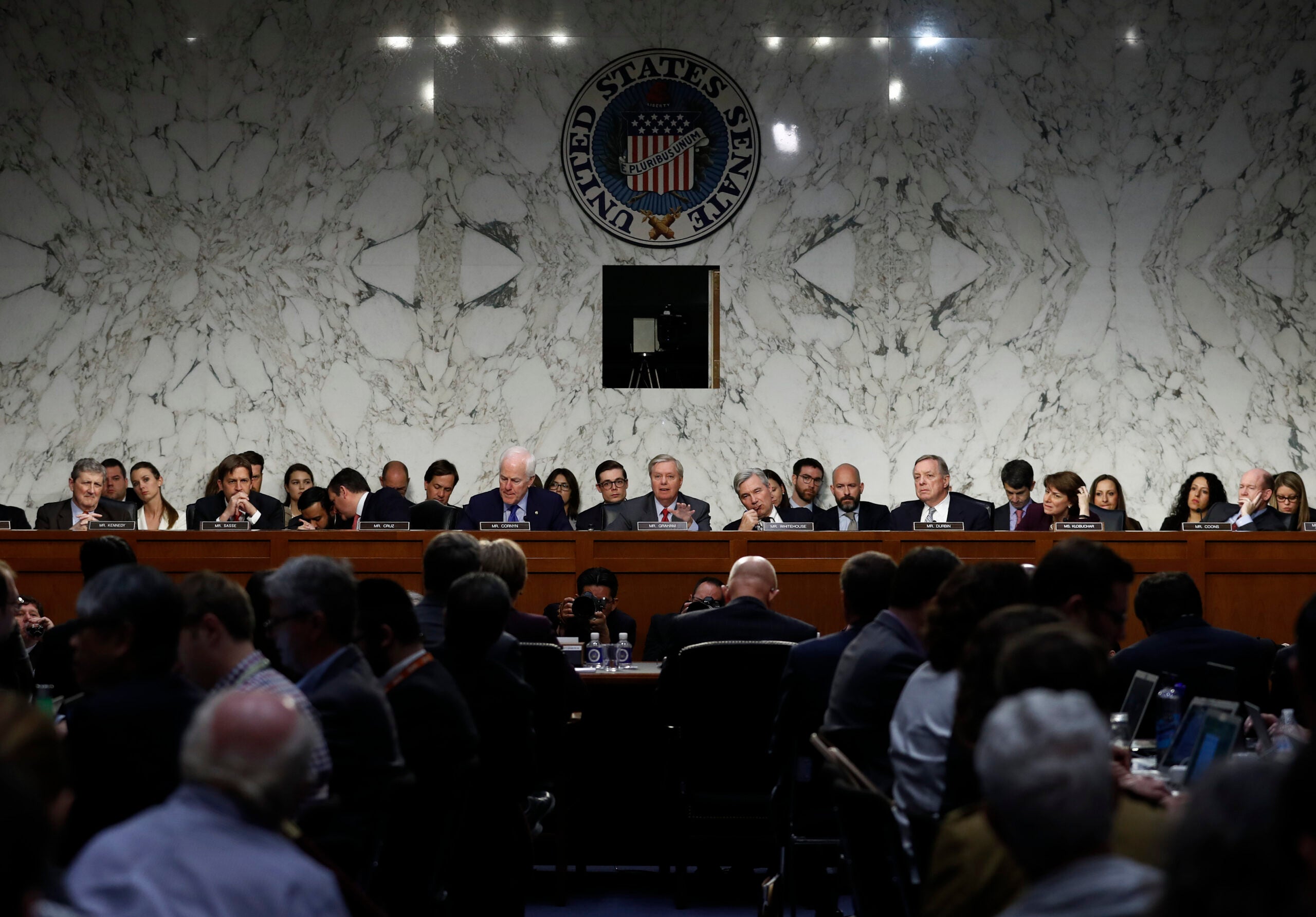
Young Mie Kim is a coauthor of the report and a media professor at UW-Madison. Kim was one of the first independent researchers to discover Russian interference in the 2016 election.
“It was just difficult just to surgically target these people, until now,” Kim said. “But with (today’s) data-driven, micro-targeted, algorithm-based information environment, it’s much more effective.”
Voters exposed to the online ads were an average of 1.86 percent less likely to turn out to vote, according to the study. That’s equal to around 4.7 million votes during the 2016 national election.
The margin between Trump and Hilary Clinton was just 2 percent, or 4.9 million votes.
Clinton won the popular vote. But Trump beat her in crucial battleground states — some by less than 1 percent — which ultimately granted him his first presidential term. Clinton lost Wisconsin by less than 23,000 votes.
When nonwhite voters from minority-majority counties in battleground states were exposed to voter suppression ads, their turnout rate was 14.2 percent lower than white voters from nonminority counties in non-battleground states who did not see the ads, the study found.
Kim said groups pushed voter suppression ads on the social media feeds of “weaker links” in the Democratic Party.
“So Democrats back in 2016 who didn’t like their official party candidate or had a general sense of distrust in politics, politicians — it’d be easier to target them and discourage them from voting,” Kim said.
She said undisclosed organizations are able to push the ads because of a lack of clear disclosure rules for digital campaigns and the Supreme Court’s 2010 Citizens United v. FEC ruling that allows for unlimited spending on political ads.
Kim argues the rising presence of artificial intelligence and disinformation on social media makes the study even more relevant as the 2026 midterm elections approach.
“A policy framework that could address more algorithm-based targeting that selects a particular people and discourages them from voting would be really important,” Kim said.
Editor’s Note: A previous version of the article incorrectly stated that Trump won the 2016 presidency by 4.9 million votes. It has been corrected to reflect that Hilary Clinton actually won the popular vote, but Trump won the electoral college.
Wisconsin Public Radio, © Copyright 2026, Board of Regents of the University of Wisconsin System and Wisconsin Educational Communications Board.